

The best breast pump in India is the one that fits your routine, not the one with the longest feature list. A pump you can wear under a loose top on a work call helps more than one you must sit beside. If you only express now and then, a simple manual pump is enough.
We compared breast pumps on Amazon.in and kept five that cover the main choices: three wearable electric pumps, one single electric pump and one manual pump. Each has a named maker and a pool of buyer ratings from about 900 to more than 16,000, with star averages between 3.9 and 4.2.
Use the comparison table to pick a pump type, then read each verdict. Later sections cover pump types, flange fit, milk storage and cleaning, with sources from the CDC and the FDA. This is a buying guide, not medical advice. Talk to a lactation consultant or your doctor if pumping hurts or your milk supply worries you.
Quick answer: Our top pick is the Philips Avent Wearable Pump, a hands-free pump with a separate motor and the most buyer ratings of the five. Choose by routine: a wearable pump for work, a single electric pump for home and a manual pump for occasional use.
- Best overall: Philips Avent Wearable Pump
- Best for regular pumping at home: Luvlap Adore Electric Pump
- Best hands-free pump with four flange sizes: Promom Neo Wearable Pump
- Best hands-free pump with a 1400 mAh battery: Roboson BP-111 Wearable Pump
- Best for occasional pumping: Philips Avent Essential Manual Pump
As an Amazon Associate I earn from qualifying purchases.
QUICK SUMMARY: Top 5 Best Breast Pumps in India
- Philips Avent Wearable Pump
- Luvlap Adore Electric Pump
- Promom Neo Wearable Pump
- Roboson BP-111 Wearable Pump
- Philips Avent Essential Manual Pump
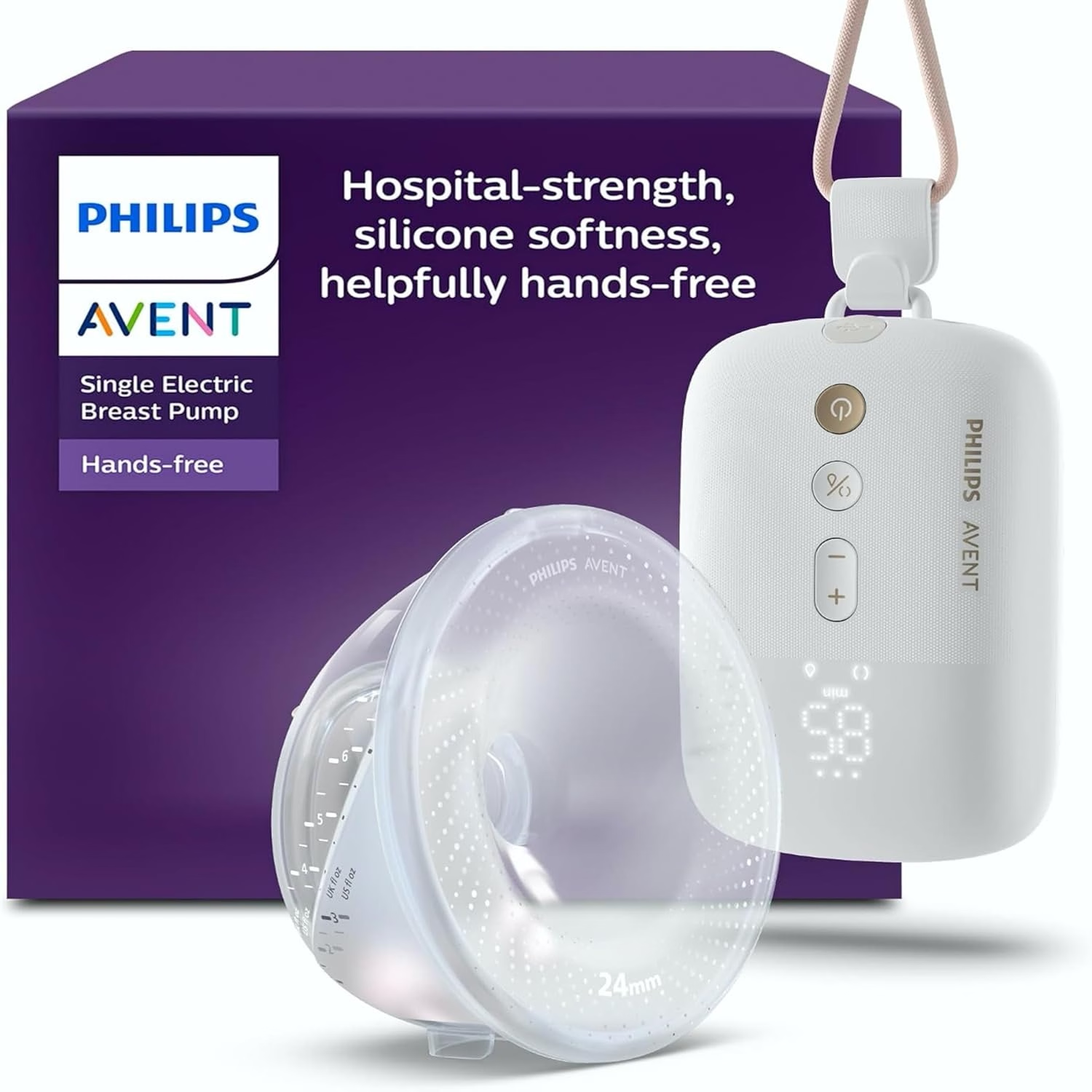
1. Philips Avent Wearable Pump
Features
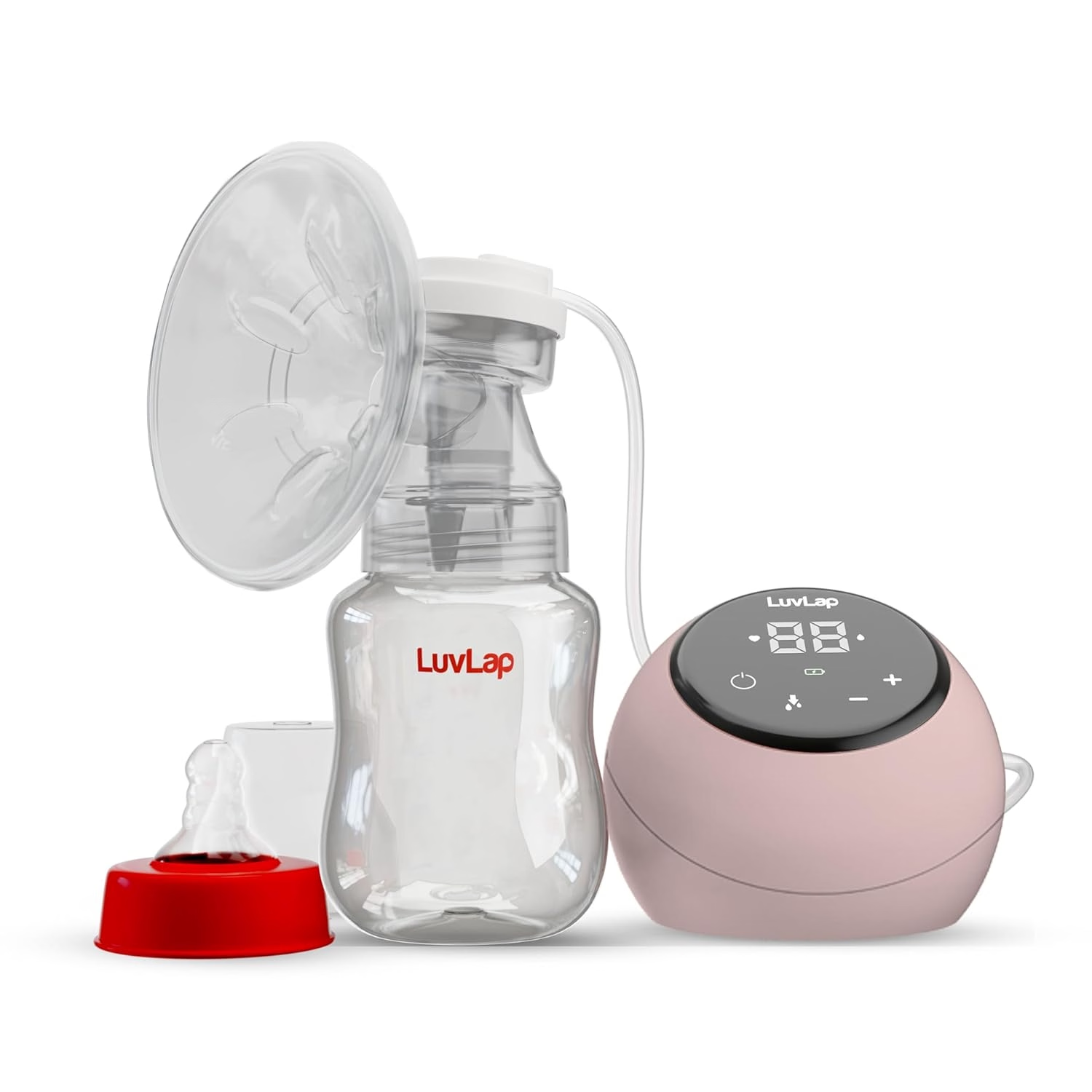
2. Luvlap Adore Electric Pump
Features
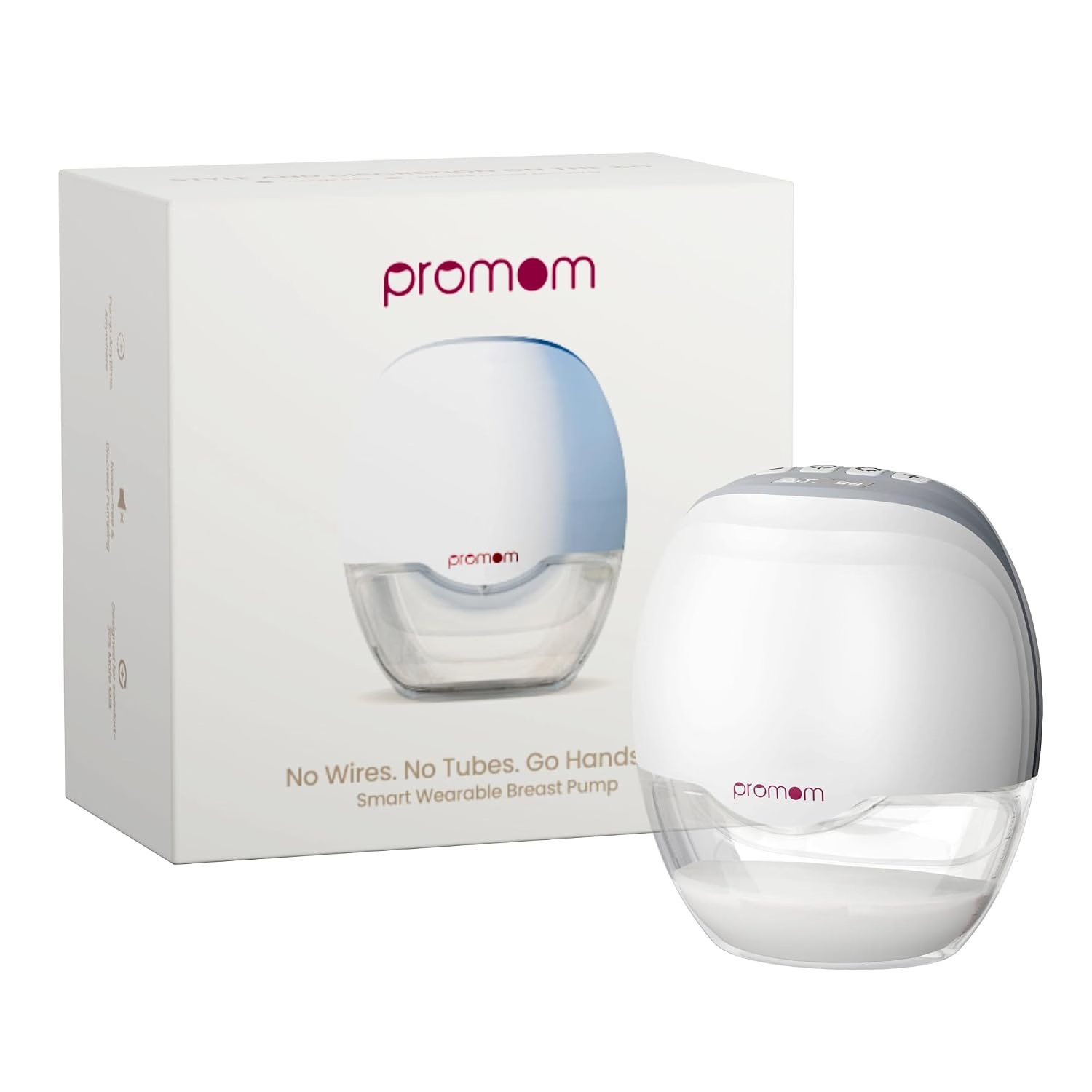
3. Promom Neo Wearable Pump
Features
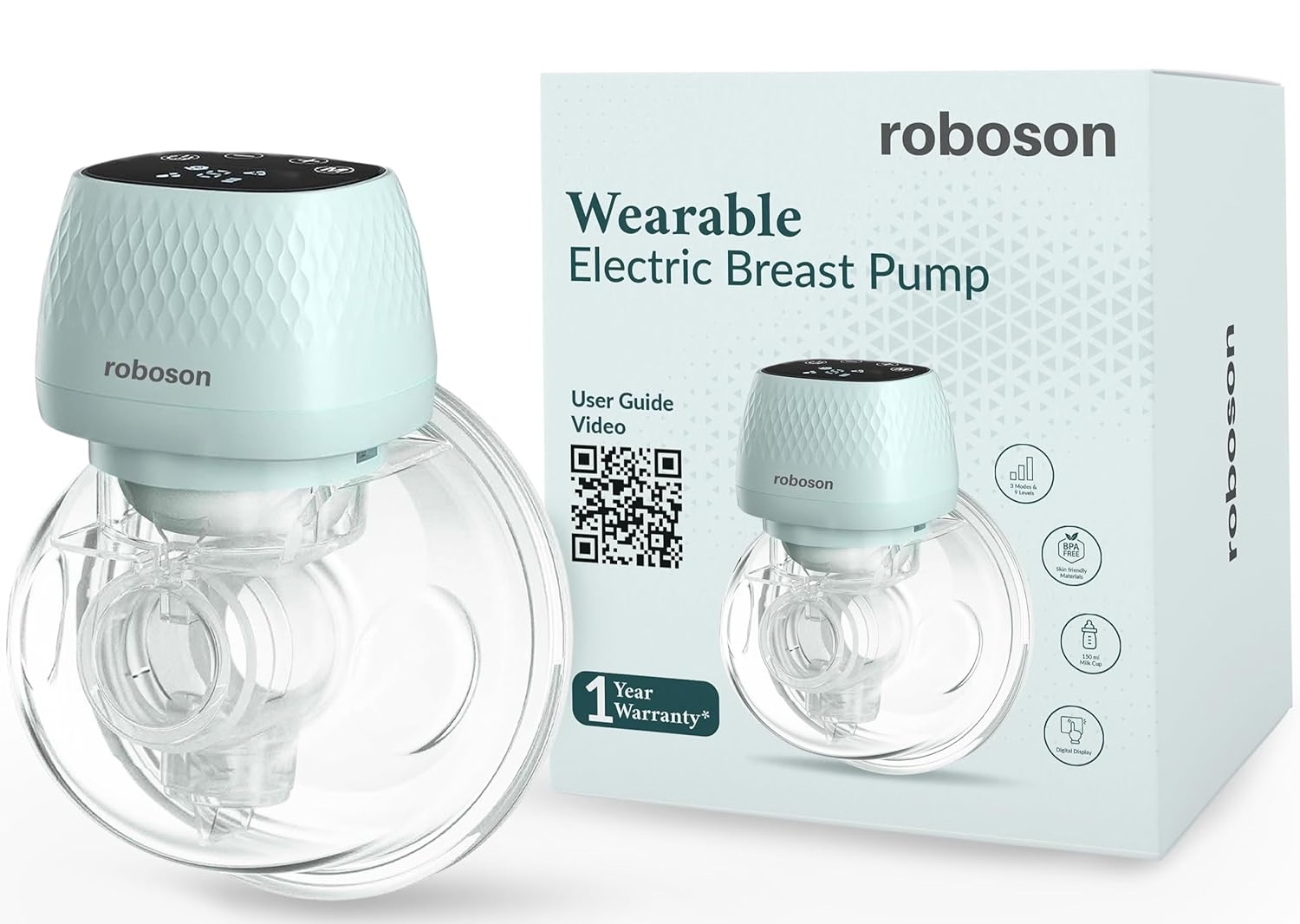
4. Roboson BP-111 Wearable Pump
Features
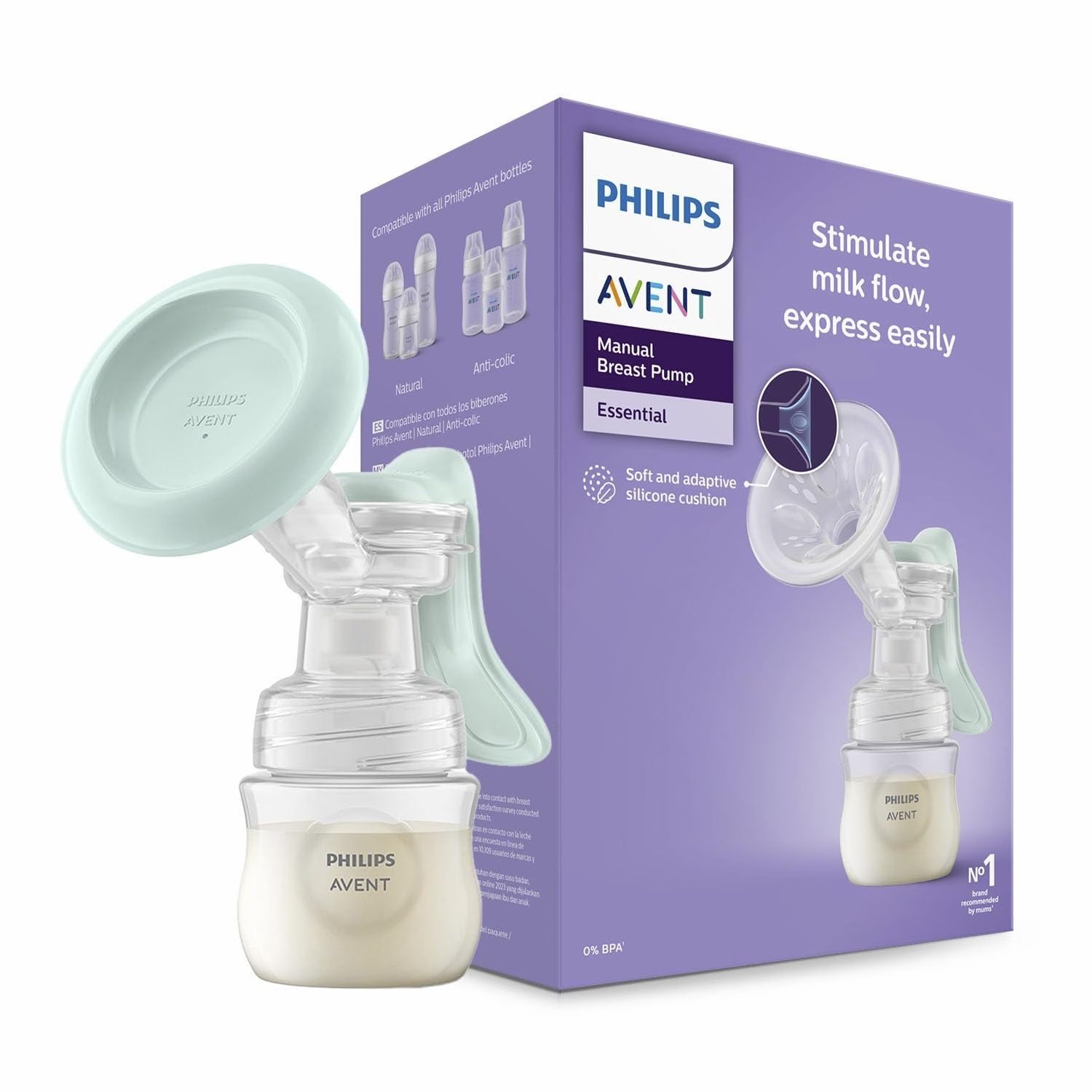
5. Philips Avent Essential Manual Pump
Features
Breast Pump Comparison at a Glance
This table puts the five picks side by side by pump type, power source, standout feature and the routine each suits. Use it to shortlist two pumps before you read the verdicts. Type and power come from each maker’s listing on Amazon.in.
| Pick | Type | Power | Standout feature | Best for | Where to buy |
|---|---|---|---|---|---|
| Philips Avent Wearable Pump | Wearable, separate motor | USB-C rechargeable | 8 + 16 levels, with memory | Hands-free pumping during the day | Check price on Amazon |
| Luvlap Adore Electric Pump | Single electric | Mains or built-in battery | Digital touch screen, two phases | Regular pumping at home | Check price on Amazon |
| Promom Neo Wearable Pump | Wearable, one piece | Rechargeable, USB charging | Four flange sizes, 160 ml cup | Hands-free pumping with a choice of fit | Check price on Amazon |
| Roboson BP-111 Wearable Pump | Wearable | Rechargeable, USB charging | 1400 mAh battery, touch panel | Hands-free pumping with a 1400 mAh battery | Check price on Amazon |
| Philips Avent Essential Manual Pump | Manual | None, hand-operated | Handle, 125 ml milk container | Occasional pumping | Check price on Amazon |
How We Chose These Breast Pumps
We compared the listing details, maker information, and buyer star ratings and rating counts on Amazon.in. We kept pumps from named makers with at least 900 ratings, a star average of 3.9 or more and a clear pump type, so the five picks cover wearable, single electric and manual use.
Star averages on the five sit between 3.9 and 4.2. That gap is small, so the choice comes down to pump type, fit, battery and warranty, not a star score. Maker figures such as suction or noise are the makers’ own claims, so we name the maker each time.
Who Should Buy Which Breast Pump (and Who Should Skip It)
Each verdict names the shopper the pump suits and the one who should look elsewhere.
1. Philips Avent Wearable Pump: best overall for hands-free pumping
Our top pick for working mothers and for hands-free pumping in general. The motor stays off your breast, and it has the largest pool of buyer ratings of the five.
- Buy it if you want hands-free pumping with a separate motor and a transparent cup that shows how much milk you have.
- Skip it if you want everything in one small unit, because this pump has a motor to carry as well as a cup.
2. Luvlap Adore Electric Pump: best for regular pumping at home
The pick for pumping in one place, at home or at a desk. It is a single electric pump, and the built-in battery is a backup when no socket is near.
- Buy it if you want a single electric breast pump with a digital display that remembers your last settings.
- Skip it if you want to move around while you pump, because this is not a wearable pump.

3. Promom Neo Wearable Pump: best hands-free pump with four flange sizes
The one-piece wearable that comes with four flange sizes, which helps you find a fit. Noise and battery figures are Promom’s own claims, as the cards say.
- Buy it if you want an all-in-one hands-free breast pump and a choice of four flange sizes.
- Skip it if you prefer the motor off your breast, because this is a single unit worn in the bra.
4. Roboson BP-111 Wearable Pump: best hands-free pump with a 1400 mAh battery
A wearable with a 1400 mAh rechargeable battery and 17, 19 and 22 mm flanges plus a 25 mm shield in the box. It has the smallest rating pool of the electric picks, so there is less buyer feedback behind it.
- Buy it if you want a hands-free breast pump with a 1400 mAh battery and 17, 19 and 22 mm flanges plus a 25 mm shield in the box.
- Skip it if you want the longest warranty, because Roboson lists 1 year and Philips Avent lists 2 years for its wearable.
5. Philips Avent Essential Manual Pump: best for occasional pumping
The simple pick for occasional pumping: no battery, no socket and a milk container included. It also has the lowest star average of the five, 3.9.
- Buy it if you pump now and then and want a simple pump with no charging.
- Skip it if you pump several times a day. The FDA says a manual pump works by squeezing a handle or lever, so your hand does all the work.
Wearable, Electric or Manual: Which Breast Pump Type Should You Buy?
Buy a wearable breast pump if you want to move while you pump, an electric breast pump if you pump in one place, and a manual breast pump if you pump only now and then. The FDA lists the basic types as manual, battery-powered and electric.
Manual breast pump
The FDA says a handle or lever is squeezed to create suction once the breast shield is in place. That means no charging and no motor, but your hand does the work. A manual breast pump fits occasional use and a spare for the bag.
Electric breast pump
The FDA says a powered pump runs on batteries or a cord plugged into an outlet. Luvlap Adore Electric Pump offers both: mains power and a built-in battery. A single pump works on one breast at a time, and a double pump works on both together, per the FDA. The FDA adds that a double pump may decrease the time it takes to pump because both breasts can be emptied at once.
Wearable breast pump
A wearable breast pump sits in your bra, so your hands stay free. Three of our five picks are wearable. Philips Avent Wearable Pump keeps the motor off your breast, while Promom Neo Wearable Pump and Roboson BP-111 Wearable Pump are rechargeable wearables. Check the milk cup size and the battery before you buy.
Backup for power cuts
The FDA notes that an electric pump needs an outlet and that powered pumps need planning for emergencies, so keep a manual pump as a backup if power cuts are common where you live.
Best Breast Pump for Working Mothers: What to Look For
A breast pump for working mothers can help if it runs quietly, has a battery that lasts a work block and has parts you can clean quickly. A hands-free breast pump can also help, because you can keep typing or take a call while you pump.
For a breast pump for working mothers, the FDA says that if you plan to pump at work, you should consider a lightweight pump that transports easily.
- Noise: Promom says the Neo runs under 40 dB. Noise figures are maker claims, so read buyer reviews for the sound level in a quiet office.
- Battery: Promom lists 8 to 10 sessions per charge on a 1000 mAh battery, and Roboson lists a 1400 mAh battery. Philips Avent charges by USB-C.
- Fit under clothes: a wearable pump sits in the bra, so a loose top hides it better than a fitted one.
- Cleaning time: fewer parts mean a faster clean between sessions. Philips Avent says its cup has few connecting parts.
- A manual backup: keep a manual pump in your bag for a day when the battery runs out.
- Milk at work: the CDC says milk can stay in an insulated cooler with frozen ice packs for up to 24 hours when travelling, so an insulated cooler bag with frozen ice packs works for the commute. At your destination, use the milk right away, refrigerate it or freeze it.

How to Check Breast Pump Flange Size and Fit
Your nipple should fit comfortably in the centre of the opening in the breast shield, says the FDA. Adjust the shield until it feels comfortable, without pinching, pulling or irritating your nipple or breast tissue.
- Promom lists four flange sizes: 17, 19, 21 and 24 mm.
- The Roboson BP-111 box holds 17, 19 and 22 mm flanges plus a 25 mm breast shield.
- Philips Avent offers a range of shields and inserts for its wearable pump.
- If pumping hurts, stop and ask a lactation consultant or your doctor to check the fit.
The FDA says to make sure the breast-shield opening is the correct size for you, and that many pumps are sold with one size of breast shield. A pump with more flange sizes in the box gives you more chances to get a comfortable fit without buying extra parts.
Luvlap or Philips Avent: Which Breast Pump Brand Is Better?
Neither brand wins on every point, because our Luvlap pick and our Philips Avent picks are different pump types. Luvlap Adore is a single electric pump. Philips Avent gives you a wearable and a manual pump. Compare them on type and routine, not on name.
| Point | Luvlap Adore Electric Pump | Philips Avent Wearable Pump |
|---|---|---|
| Type | Single electric pump | Wearable, motor separate from the cup |
| Power | Mains or built-in battery | USB-C rechargeable |
| Controls | Touch screen, 9 levels per phase | 8 stimulation and 16 expression levels |
| Settings memory | Yes | Yes |
| Ratings on Amazon.in | 4.0 stars, 12,800+ ratings | 4.2 stars, 16,700+ ratings |
Choose the Luvlap Adore if you pump in one place and like a clear display. Choose the Philips Avent wearable if you want your hands free. Whichever brand you choose, check how to reach its customer care before you buy.
Which Breast Pump Produces More Milk?
Treat any promise of more milk with care, because a fixed percentage claim on a listing is the maker’s own claim. Comfort and fit come first. If your supply worries you, ask a lactation consultant or your doctor before you buy a second pump.
- Pick a pump with settings you can adjust to stay comfortable.
- Promom lists suction of up to 450 mmHg (60 kPa) and Philips Avent lists 8 stimulation and 16 expression levels. A bigger number is not a promise of more milk.
- Check that the flange fits before you judge a pump by its output.
How Long Does Pumped Breast Milk Last?
Freshly expressed milk lasts up to 4 hours at room temperature (77°F or colder), up to 4 days in the refrigerator and about 6 months in the freezer, says the CDC.
| Where you keep it | Freshly expressed milk (CDC) |
|---|---|
| Room temperature, 77°F (25°C) or colder | Up to 4 hours |
| Refrigerator | Up to 4 days |
| Freezer | About 6 months is best, up to 12 months is acceptable |
Up to 12 months in the freezer is acceptable. The 4-hour limit applies at 77°F (25°C) or colder, so in a warmer room refrigerate the milk sooner.
- Use milk thawed in the refrigerator within 24 hours, counting from the time it is completely thawed.
- Once thawed milk is brought to room temperature or warmed, use it within 2 hours.
- If your baby did not finish the bottle, use the leftover milk within 2 hours. After that, discard it.
- Never refreeze milk after it has thawed.
- Never thaw or heat breast milk in a microwave.

How to Clean a Breast Pump the CDC Way
Wash your hands with soap and water for 20 seconds before each use, rinse the parts that touch your breast or milk after every session, and clean them as soon as possible after pumping, says the CDC.
- Rinse parts that touch your breast or milk under running water to remove remaining milk.
- Clean those parts as soon as possible after pumping. Any soap made for washing dishes works; the CDC says not to use antibacterial soap.
- Let the parts, bottle brushes and wash basins air-dry thoroughly before you store them.
- Tubing that does not touch milk needs no routine cleaning. Replace tubing that has milk or mould in it, and keep a spare set.
- Sanitize the parts at least once daily for extra germ removal. The CDC says this matters most for babies under 2 months, born early or with weak immune systems.
- After cleaning, sanitize the pump kit, bottle brushes and wash basins. Boil disassembled parts that are safe to boil for 5 minutes, use a microwave or plug-in steam system as the maker directs, or run a dishwasher with hot water and a heated drying or sanitizing setting. Check your pump maker’s instructions on whether parts may be steamed or boiled.
- Clean the parts after every use. The CDC says no studies show that rinsing and refrigerating the parts is a safe alternative to washing them every time.
Philips Avent says the cup of its wearable pump is dishwasher safe. Always follow your own pump’s manual for which parts can go in a dishwasher.
What to Check Before You Buy a Breast Pump in India
Check the seller, the warranty and the return policy before you order. A pump has parts that wear out, so a clear warranty and a seller you can reach matter as much as the feature list. The listings show different terms.
- Warranty: Philips Avent gives 2 years on the wearable, Luvlap 1 year, Promom a 1 year manufacturer warranty, and Roboson a 1 year offsite service warranty on manufacturing defects.
- Seller: read the seller name on the listing, and prefer the brand’s own store or a seller it names.
- Returns: all five of our picks show Non-Returnable on Amazon.in, so read the return policy before you pay.
- Pack contents: check which flanges, valves and cups come in the box, and keep the invoice.
- Used pumps: the FDA says only pumps designed for multiple users, such as rental pumps where each renter buys a new accessory kit, should be used by more than one person. Buying a used pump or sharing one may violate the manufacturer’s warranty.
- Hospital grade: the FDA says the term hospital-grade pump is not recognized by the FDA and has no consistent definition, so do not treat it as a quality mark.
Compare breast pump value without a price list
Compare what you get for the same purchase, not a headline price. We do not print prices because they change. Tap Check price on Amazon on any pick, then compare the warranty, the flange sizes and the parts in the box.
When Is the Best Time of Day to Pump?
Pump at times that fit your baby’s feeds and your own schedule. A lactation consultant can plan sessions around your day if you are going back to work.
Write down your baby’s feed times for a few days and place pumping sessions around them. Try the pump at home before your first day at work, so the fit, the settings and the cleaning routine feel familiar.
Final Thoughts: Picking the Best Breast Pump in India
Our top pick for working mothers is the Philips Avent Wearable Pump. Choose the pump type that matches your day:
- Best overall: Philips Avent Wearable Pump.
- Best for regular pumping at home: Luvlap Adore Electric Pump.
- Best hands-free pump with four flange sizes: Promom Neo Wearable Pump.
- Best hands-free pump with a 1400 mAh battery: Roboson BP-111 Wearable Pump.
- Best for occasional pumping: Philips Avent Essential Manual Pump.
Pumping is one part of a newborn routine. If you are building the rest, see our guide to the best video baby monitor in India for night feeds and the best baby play mats in India for tummy time.
Frequently Asked Questions
Which breast pump brand is best?
No single brand is best for everyone, because the right pump depends on how you pump. Among our picks, Philips Avent covers a wearable and a manual pump, Luvlap Adore is a single electric pump, and Promom and Roboson offer rechargeable wearables. Compare warranty, flange sizes and the seller before you choose a brand.
Which breast pump is better, Luvlap or Philips Avent?
It depends on the pump type, not the brand name. Luvlap Adore Electric Pump plugs in and also has a built-in battery. Philips Avent Wearable Pump keeps the motor off your breast for hands-free use. Choose the Luvlap for a sit-down routine and the Philips Avent for pumping while you move around.
Which breast pump produces more milk?
Treat any promise of more milk with care, because a fixed percentage claim on a listing is the maker’s own claim. Fit and comfort come first, and the FDA says the shield should not pinch, pull or irritate your nipple or breast tissue. If you worry about your supply, ask a lactation consultant or your doctor before you buy another pump.
What is the best time of day to pump?
Pump at times that fit your baby’s feeds and your own schedule. If you are going back to work, ask a lactation consultant to help you plan sessions around your shifts, and try the pump at home first so the fit and settings feel familiar before your first day.
What type of breast pump should I buy?
Buy a wearable pump if you want to move while you pump, an electric pump for pumping in one place, and a manual pump for occasional use. The FDA lists manual, battery-powered and electric pumps, and says a double pump works on both breasts at once. Pick on your routine and check the warranty before you order.
How long does breast milk last after pumping?
Freshly expressed milk lasts up to 4 hours at room temperature (77°F or colder), up to 4 days in the refrigerator and about 6 months in the freezer, says the CDC. In a warmer room the 4-hour figure no longer applies, so refrigerate it sooner. Use milk thawed in the refrigerator within 24 hours, counting from when it is completely thawed, and never refreeze it.
How do I clean my breast pump?
Wash your hands for 20 seconds, then rinse every part that touches your breast or milk under running water after each use. The CDC says to clean those parts as soon as possible after pumping with any soap made for washing dishes, not antibacterial soap, air-dry them thoroughly and sanitize them at least once daily. Tubing that does not touch milk needs no routine cleaning.
Related reads:

Leave a Reply