

The best sunscreen in India is not the one with the biggest number on the tube. It is the one you will apply every morning, in enough quantity, without a white cast, a greasy shine or a sting. Heat, humidity and sweat can make that harder than any label suggests.
We compared sunscreens on Amazon.in and kept five face sunscreens that pair a very large pool of buyer ratings with SPF 50 protection and different finishes: a hydrating gel, a multi-vitamin lotion, a dry-touch lotion, a fluid for sensitive skin and a matte sunscreen for oily skin.
Each pick below has a buy-it and skip-it verdict based on maker information and verified buyer reviews. Use the comparison table to narrow down by skin type, then read the guide on SPF, PA ratings and how much to apply. A sunscreen only works when you use enough of it, so we also cover the amount, the timing and the common mistakes that waste a good tube.
Quick answer: Our top pick is the Derma Co aqua gel, a light gel for daily face wear with the most buyer ratings of the five. Pick by skin type: matte for oily, fluid for sensitive, lotion for dry.
- Best overall: The Derma Co Hyaluronic Sunscreen Aqua Gel
- Best for dry and all skin types: Minimalist SPF 50 Sunscreen with Multi-Vitamins
- Best dry-touch, non-shiny finish: Neutrogena Ultra Sheer Dry Touch Sunscreen
- Best for sensitive skin: La Roche-Posay Anthelios UVMUNE 400 Invisible Fluid
- Best for oily skin: Re’ Equil Ultra Matte Dry Touch Sunscreen
As an Amazon Associate I earn from qualifying purchases.
QUICK SUMMARY: Top 5 Best Sunscreen in India
- The Derma Co Hyaluronic Sunscreen Aqua Gel
- Minimalist SPF 50 Sunscreen with Multi-Vitamins
- Neutrogena Ultra Sheer Dry Touch Sunscreen
- La Roche-Posay Anthelios UVMUNE 400 Invisible Fluid
- Re’ Equil Ultra Matte Dry Touch Sunscreen
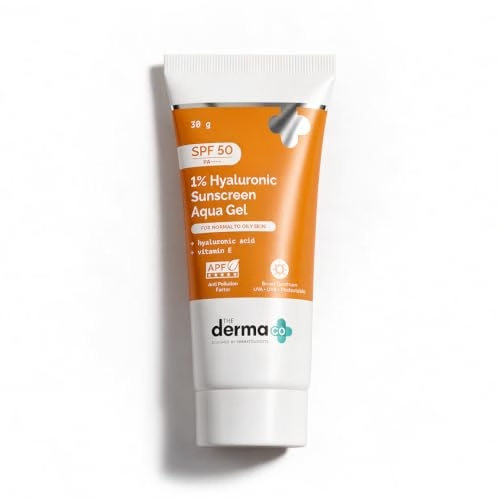
1. The Derma Co Hyaluronic Sunscreen Aqua Gel
Features
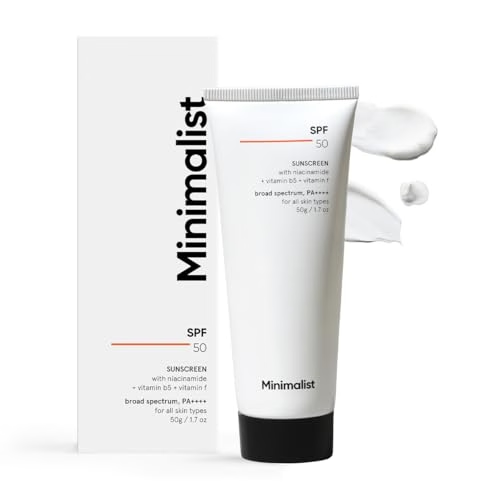
2. Minimalist SPF 50 Sunscreen with Multi-Vitamins
Features
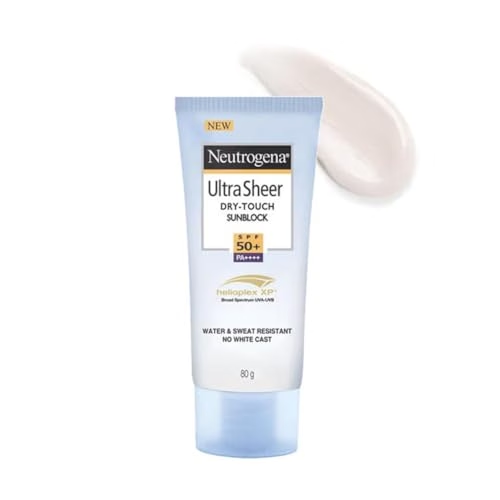
3. Neutrogena Ultra Sheer Dry Touch Sunscreen
Features
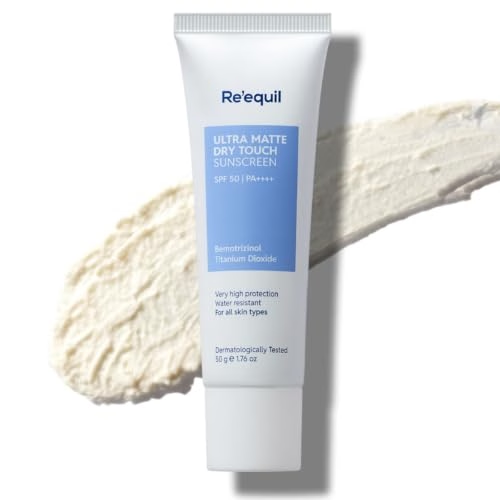
5. Re’ Equil Ultra Matte Dry Touch Sunscreen
Features
Sunscreen Comparison at a Glance
This table lines up the five picks by finish, standout feature, pack size and the skin type each suits best. Use it to shortlist two, then read the verdicts below. Finish and skin type are our reading of maker information, not a medical claim.
| Pick | Finish | Standout feature | Pack | Best for | Where to buy |
|---|---|---|---|---|---|
| The Derma Co Hyaluronic Sunscreen Aqua Gel | Light aqua gel | 1% hyaluronic acid, PA++++ | 30 g, larger sizes listed | Dry to normal skin, daily wear | Check price on Amazon |
| Minimalist SPF 50 Sunscreen with Multi-Vitamins | Moisturiser-like lotion | Four UV filters, multi-vitamins | 50 g | Dry and all skin types | Check price on Amazon |
| Neutrogena Ultra Sheer Dry Touch Sunscreen | Dry touch, non-shiny | Oil-free, non-comedogenic | 80 ml | Normal to oily skin | Check price on Amazon |
| La Roche-Posay Anthelios UVMUNE 400 Invisible Fluid | Invisible, non-sticky fluid | Mexoryl 400, non-perfume | 50 ml | Sensitive skin | Check price on Amazon |
| Re’ Equil Ultra Matte Dry Touch Sunscreen | Matte, velvety | Zinc oxide and titanium dioxide | 50 g | Oily skin | Check price on Amazon |
How We Chose These Sunscreens
We compared the listing details, maker information, ingredient lists and verified buyer reviews on Amazon.in. We kept face sunscreens with SPF 50, a pool of more than 10,000 ratings and clearly different finishes, so one of the five fits most skin types. Body lotions and duplicate shades from one brand were left out.
Ratings on these five sit between 4.1 and 4.2 stars. That is a narrow gap, so the choice comes down to finish, ingredients you want or avoid, and your skin type, not a star score.
Who Should Buy Which Sunscreen (and Who Should Skip It)
Each verdict names the shopper it suits and the one who should look elsewhere.
1. The Derma Co Hyaluronic Sunscreen Aqua Gel: best overall for daily face wear
This is the sunscreen we would put in most Indian bags. It is a light gel built around hydration, it has the largest pool of buyer ratings of the five, and The Derma Co says it leaves no white cast. It is our editorial pick for a first daily sunscreen, based on its ratings and finish.
- Buy it if you want a light, fragrance-free gel for everyday face wear in hot, humid weather.
- Skip it if your skin is very oily and you want a matte finish, since this one is built for hydration.
2. Minimalist SPF 50 Sunscreen with Multi-Vitamins: best for dry and all skin types
Minimalist makes this one feel like a daily moisturiser, and it is a good fit when your skin turns tight by afternoon. The maker names the UV filters it uses and says an independent lab confirmed the SPF 50 claim. That openness helps if you like to read labels.
- Buy it if you have dry or normal skin and want a moisturiser-like texture with no white cast.
- Skip it if you prefer a watery gel or a matte finish, because the texture here is closer to a lotion.
3. Neutrogena Ultra Sheer Dry Touch Sunscreen: best dry-touch, non-shiny finish
Neutrogena is a familiar name, and this lotion is aimed at people who dislike shine. Neutrogena describes an oil-free, non-comedogenic formula with a dry-touch finish. It also has an 80 ml tube, the largest in this guide, which suits families who share one tube.
- Buy it if you want a dry-touch SPF 50+ lotion for normal to oily skin, with a bigger tube.
- Skip it if you avoid fragrance, because the ingredient list on Amazon.in includes it.
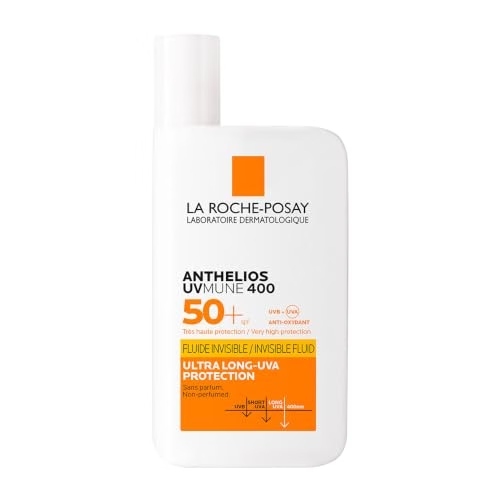
4. La Roche-Posay Anthelios UVMUNE 400 Invisible Fluid: best for sensitive skin
La Roche-Posay makes this fluid for daily wear on sensitive skin. The brand says it is non-perfume, hypoallergenic and resistant to water, sweat and sand. It also uses Mexoryl 400, a newer filter aimed at ultra-long UVA rays. It suits someone who reacts to fragranced products.
- Buy it if your skin reacts easily and you want a fragrance-free fluid from a dermatology-focused brand.
- Skip it if you want oil-control claims, since the brand makes none for this fluid.
5. Re’ Equil Ultra Matte Dry Touch Sunscreen: best for oily skin
Re’ Equil built this for a matte, velvety finish, and it is the pick for shiny T-zones. It uses zinc oxide and titanium dioxide, two mineral filters, alongside newer chemical filters. The brand says it leaves minimal to no white cast, and the title lists water and sweat resistance.
- Buy it if you have oily skin and want a matte sunscreen for face use that holds up in sweat.
- Skip it if your skin is dry and you want a dewy finish, or if you avoid fragrance.
SPF and PA Ratings Explained: Is SPF 70 Really Better Than SPF 50?
No, not by much. SPF measures protection from UVB, the rays that burn. By definition, SPF 50 lets about 2% of burning UVB reach your skin and SPF 70 about 1.4%. The American Academy of Dermatology says SPF 30 blocks 97% of UVB, and that higher SPFs block only slightly more.
That 2% figure assumes you apply the full amount the SPF test applies. The US FDA SPF test rule applies 2 mg per square centimetre, and most people apply far less. Below is how common SPF numbers compare, worked out from the SPF definition.
| SPF | UVB reaching skin | UVB blocked |
|---|---|---|
| SPF 15 | About 6.7% | About 93% |
| SPF 30 | About 3.3% | About 97% |
| SPF 50 | About 2% | About 98% |
| SPF 70 | About 1.4% | About 98.6% |
SPF 50 sunscreen is a sensible choice for daily Indian use. Jumping to SPF 70 or 100 buys very little extra, and it does not let you skip reapplying.
What does PA++++ mean?
PA rates UVA protection. The AAD calls UVA the aging rays, because they can prematurely age skin. The grade comes from a lab measure, the UVA protection factor (UVAPF), tested by the ISO 24442 method. The Japan Cosmetic Industry Association UVA guideline (in Japanese) sets four grades by UVAPF:
| PA rating | UVA protection factor (UVAPF) |
|---|---|
| PA+ | 2 or more, below 4 |
| PA++ | 4 or more, below 8 |
| PA+++ | 8 or more, below 16 |
| PA++++ | 16 or more |
All five picks show PA++++ on their listings. Look for both an SPF and a PA rating, so that you cover UVB and UVA.
How to Choose the Best Sunscreen in India for Your Skin Type
Match the finish to your skin type first, then check the ingredient list for anything you avoid. The SPF number matters less than whether you will wear the product daily, so a texture you like beats a stronger label you skip.
Sunscreen for oily skin
The best sunscreen for oily skin has a matte or dry-touch finish and a light lotion or gel base. Re’ Equil Ultra Matte Dry Touch Sunscreen is made for a matte finish, and Neutrogena Ultra Sheer Dry Touch Sunscreen is described as oil-free and non-comedogenic. A heavier cream can leave oily skin shiny by noon, so finish matters more than the filter list.
Sunscreen for dry skin
Choose a moisturiser-like lotion or a hydrating gel. Minimalist SPF 50 Sunscreen with Multi-Vitamins has a lotion texture, and The Derma Co Hyaluronic Sunscreen Aqua Gel pairs 1% hyaluronic acid with a gel base. Apply either one after your moisturiser, and give it a minute before you put on makeup.
Sunscreen for sensitive skin
A good sunscreen for sensitive skin is fragrance-free, and you should use-test it before it goes on your face. The AAD advises a small spot, such as the underside of your arm, twice a day for seven to 10 days, then a check for redness, itching or swelling.
La Roche-Posay Anthelios UVMUNE 400 Invisible Fluid is described by La Roche-Posay as non-perfume and made for sensitive skin. If a product stings or turns skin red, wash it off and stop using it. See a dermatologist if the reaction is severe or you cannot tell what caused it.
Sunscreen for men
Sunscreen has no gender, so choose by finish and skin type. Minimalist and Neutrogena both say their sunscreens suit men and women. If you shave daily, try a light fluid or gel first, because a thick lotion may feel sticky on a freshly shaved jaw.
Dermatologist Recommended Sunscreen: What the Claim Means
“Dermatologist tested” and “dermatologist recommended” are brand claims, not ratings. Treat any dermatologist recommended sunscreen as a starting point, then read the ingredient list, because a tested product can still contain fragrance.
- The AAD recommends broad spectrum, SPF 30 or higher and water resistance. Look for a PA rating too, if the brand shows one. Treat a dermatologist recommended sunscreen label like any other claim.
- Read the ingredient list for fragrance if your skin reacts to scented products.
- Check the pack for a manufacturing date and a period-after-opening symbol.
- If you have a skin condition or use prescription skin treatments, ask a dermatologist which sunscreen suits you.
Medicated or pharmacy products made for skin conditions are a different decision and belong with your doctor. This guide covers everyday face sunscreens.
Chemical vs Mineral Sunscreen: Which Filter Type Suits You?
The AAD defines the types by their active ingredients. A sunscreen with titanium dioxide, zinc oxide or both is physical (mineral), one with neither is chemical, and a hybrid has actives from both groups. The Skin Cancer Foundation names titanium dioxide and zinc oxide as mineral filters and avobenzone as a chemical one. Some formulas mix both.
- Re’ Equil Ultra Matte Dry Touch Sunscreen names zinc oxide and titanium dioxide with Tinosorb S and Uvinul A Plus, so it mixes mineral and chemical filters.
- Minimalist SPF 50 Sunscreen with Multi-Vitamins names titanium dioxide with Uvinul T150, avobenzone and octocrylene, so it mixes both types too.
- The official ingredient list for La Roche-Posay Anthelios UVMUNE 400 Invisible Fluid shows several chemical filters, including Mexoryl 400, and neither zinc oxide nor titanium dioxide, so it counts as chemical by the AAD’s definition.
- The Derma Co Hyaluronic Sunscreen Aqua Gel lists chemical filters such as avobenzone and Mexoryl SX in its ingredients.
- Filter type matters less than whether you apply enough and reapply on time.
If one type has irritated your skin before, read the ingredient list and avoid the filters that bother you. That matters most when you shop for a sunscreen for sensitive skin.
How Much Sunscreen to Apply and When to Reapply
For a sunscreen for face, the AAD’s minimum is one teaspoon, and your neck, ears and other exposed skin need extra on top. The AAD also says most adults need about 1 ounce, a shot glass, for the whole body. It also says to apply 15 minutes before going outdoors and to reapply about every two hours.
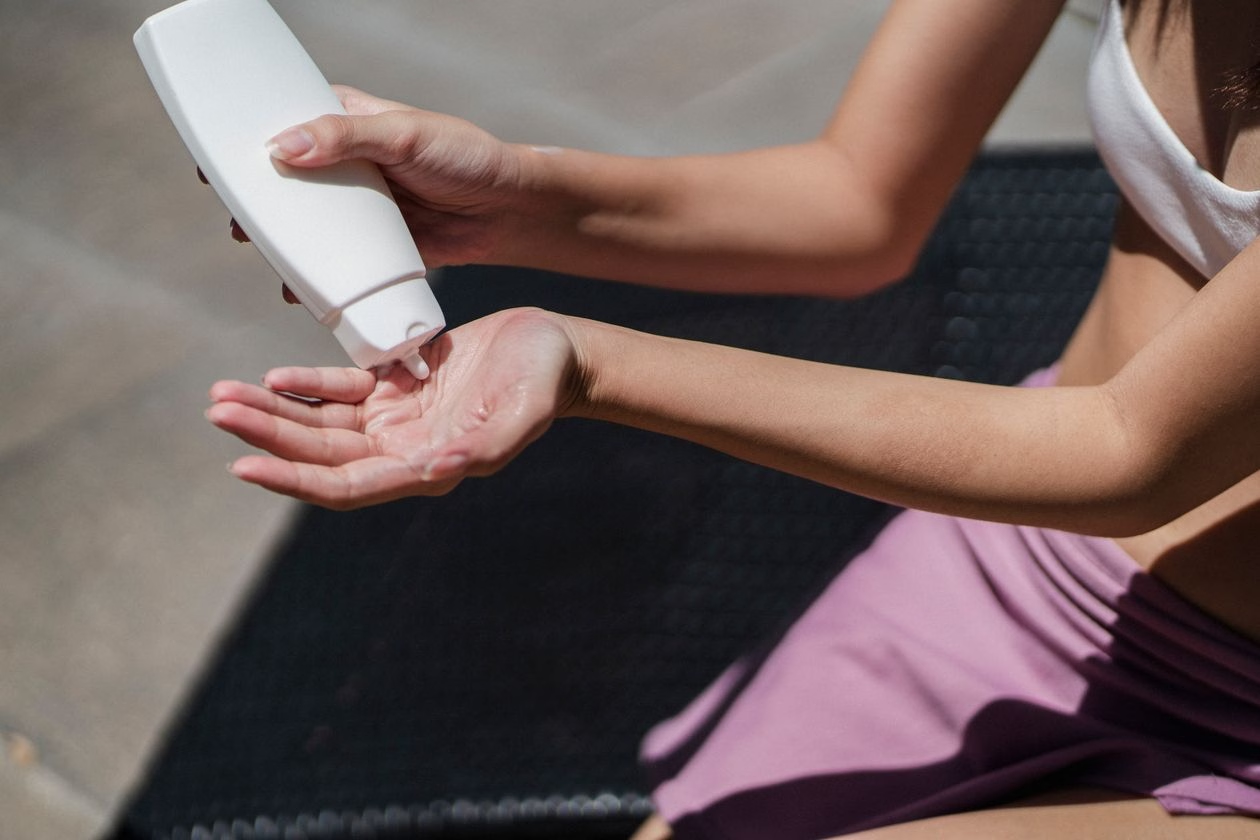
- Apply on dry skin, 15 minutes before you go outside.
- Put on at least a teaspoon for the face alone, plus extra for the neck and ears, per the AAD.
- Reapply about every two hours outdoors, and right after swimming or heavy sweating.
- Follow the directions on the pack. The Derma Co’s directions say reapply every 4 hours, but the AAD says about two hours outdoors, so use the shorter gap in strong sun.
The Skin Cancer Foundation says most people apply less than half the amount they need, which cuts protection.
How to Compare Sunscreen Value Without a Price List
Compare cost per gram or per ml, not the headline price. We do not print prices because they change often. Open any pick’s listing, divide its price by the pack size, and compare. A bigger tube is only cheaper if you finish it in time.
- Note the pack size: the five picks range from 30 g to 80 ml.
- Divide the price by grams or millilitres to get a fair comparison.
- Buy the size you will use up, because an open tube has a limited life.
- A tube you wear daily is better value than one that sits in a drawer.
Sunscreen Mistakes to Avoid in Indian Weather
Using too little is the first habit to fix, because the amount above is more than most people put on. Heat and humidity add two more: skipping reapplication after sweating, and treating a tan as a sign the product failed.
- Using a pea-sized amount for the whole face instead of at least a teaspoon.
- Skipping it on cloudy days. The AAD says up to 80% of UV rays pass through clouds.
- Forgetting the neck, ears and the back of the hands.
- Relying on makeup with SPF instead of a proper layer of sunscreen.
- Not removing it at night. A gentle cleanser does this well, and our guide to the best face wash in India covers options.

Shade, a hat and sunglasses work alongside it, not instead of it. If a tan has already set in, our Foxtale De-Tan face mask review covers one option, and our guide to the best powered facial cleansing brushes in India helps with a deeper evening cleanse.
Where to Buy Sunscreen in India: Checks That Protect You
Buy from the brand’s own store or an authorised seller, and check the pack on arrival. This is a skin product, so a fake or an old batch is a real risk. A few quick checks take a minute and protect your skin.
- Read the seller name on the listing, and prefer the brand’s own store or a seller it names.
- Check the manufacturing date, the expiry date and the period-after-opening symbol on the pack. The AAD says to throw out sunscreen once its expiration date has passed.
- Make sure the seal and cap are intact, and the pack looks like the listing photos.
- Check the return or replacement policy on the listing, and what it requires, before you order. Some skin products are listed as non-returnable.
- Keep the invoice until you have used the product safely.
Use-test a new sunscreen as the AAD describes under sunscreen for sensitive skin above. That is a home use test, not clinical patch testing: a dermatologist does patch testing if you cannot find what irritates your skin.
Final Thoughts: Picking the Best Sunscreen in India for Your Skin
Our pick for most people is the Derma Co aqua gel. Choose the finish that suits your skin and wear it every morning:
- Best overall: The Derma Co Hyaluronic Sunscreen Aqua Gel.
- Best for dry and all skin types: Minimalist SPF 50 Sunscreen with Multi-Vitamins.
- Best dry-touch, non-shiny finish: Neutrogena Ultra Sheer Dry Touch Sunscreen.
- Best for sensitive skin: La Roche-Posay Anthelios UVMUNE 400 Invisible Fluid.
- Best for oily skin: Re’ Equil Ultra Matte Dry Touch Sunscreen.
If fine lines are your worry, sun protection comes first and our guide to the best anti-ageing devices in India covers what comes next.
New and worth a look: the Molecular Company SPF 50+ PA++++ Face Sunscreen Gel has its own page: our Molecular Company sunscreen review. It covers its label, buyer reports, how to use it and how it compares with three of the picks above. It is not one of our five picks.
Frequently Asked Questions
Is SPF 70 really better than SPF 50?
Only slightly. SPF 70 passes roughly 1.4% of burning UVB and SPF 50 roughly 2%, so the gain is small. The AAD adds that a high SPF does not buy extra time outdoors without reapplying. Apply enough, and reapply about every two hours outdoors, instead of chasing a bigger number.
Which sunscreen has a 5 star rating?
None of the five picks has a perfect 5 star average, and that is normal. Each sits at 4.1 to 4.2 stars across more than 11,000 ratings on Amazon.in. A 5.0 average can come from very few ratings, so a 4+ average over thousands of buyers tells you more. Read the star rating and the rating count together.
Which sunscreen is best for daily use?
For daily face use, we pick the Derma Co aqua gel. The Derma Co describes it as a fragrance-free, non-greasy gel, which suits everyday wear in humid weather. If your skin is oily, choose Re’ Equil Ultra Matte Dry Touch Sunscreen. If it is sensitive, choose La Roche-Posay Anthelios UVMUNE 400 Invisible Fluid. Whatever you pick, apply it every morning in the amount the maker’s directions give.
What is the most affordable sunscreen?
The answer changes with pack size and offers, so we do not print prices. Compare the cost per gram or per ml on each listing instead of the headline price. A larger tube can lower the cost per gram, but only if you finish it while it is still in date. Tap Check price on Amazon on any pick to see today’s price.
Which is India’s no. 1 sunscreen brand?
No official ranking names one brand, so be careful with any “No. 1” claim. On the Amazon.in sunscreen Best Sellers list, The Derma Co and Minimalist held the top two spots when we compared, but that list moves often. Choose on SPF, PA rating, finish and skin type instead of a headline ranking.
Which sunscreen do Indian celebrities use?
Celebrity use can be promotional, so it is a weak reason to buy. We do not rank sunscreens by who is seen wearing them. Judge a sunscreen on its label: SPF 50, a PA++++ rating where listed, a finish you will wear every day and a pack you will finish. Each pick in this guide is chosen on those points.
Do I need sunscreen on cloudy days or indoors?
Yes on cloudy days. The American Academy of Dermatology says up to 80% of the sun’s UV rays can pass through clouds. The Skin Cancer Foundation says SPF 30 or higher is appropriate if you spend most of the day indoors with short sun exposure. Put it on before you leave home.
Related reads:

Leave a Reply