
Finding the best hair conditioner in India starts with one question: what does your hair do after you wash it? Some hair feels like straw. Some puffs up the moment you step into humid air. Some snaps and leaves strands in the comb. One conditioner rarely fixes all three, so match it to your problem.
This guide compares five hair conditioners, each matched to a different hair problem. The product cards hold the details, the comparison table lines them up, and the buying guide explains how to choose by hair type, how to use conditioner properly and when hair fall needs a dermatologist.
The basics come first. The American Academy of Dermatology (AAD) advises using conditioner after washing your hair. It suggests applying it to the ends if your hair is fine or straight, and along the full length if your hair is dry or curly.
One caution before the picks: the AAD says seeing a dermatologist is especially important if you are concerned about thinning hair or hair loss. The picks below are matched to dryness, frizz and breakage. Start with the quick answer below.
Quick answer: Our overall pick is the L’Oréal Paris Hyaluron Moisture Sealing Conditioner, for anyone whose hair feels dry and rough after washing. If your main problem is different, pick by need:
- Best overall, for dry hair: L’Oréal Paris Hyaluron Moisture Sealing Conditioner
- Best for frizz on humid days: TRESemmé Keratin Smooth Conditioner
- Best for breakage while combing: Dove Hair Fall Rescue Conditioner
- Best salon brand for unruly hair: Matrix Mega Smooth Conditioner
- Best for a free-from label: Love Beauty and Planet Argan Oil and Lavender Conditioner
As an Amazon Associate I earn from qualifying purchases.
QUICK SUMMARY: Top 5 Best Hair Conditioners in India
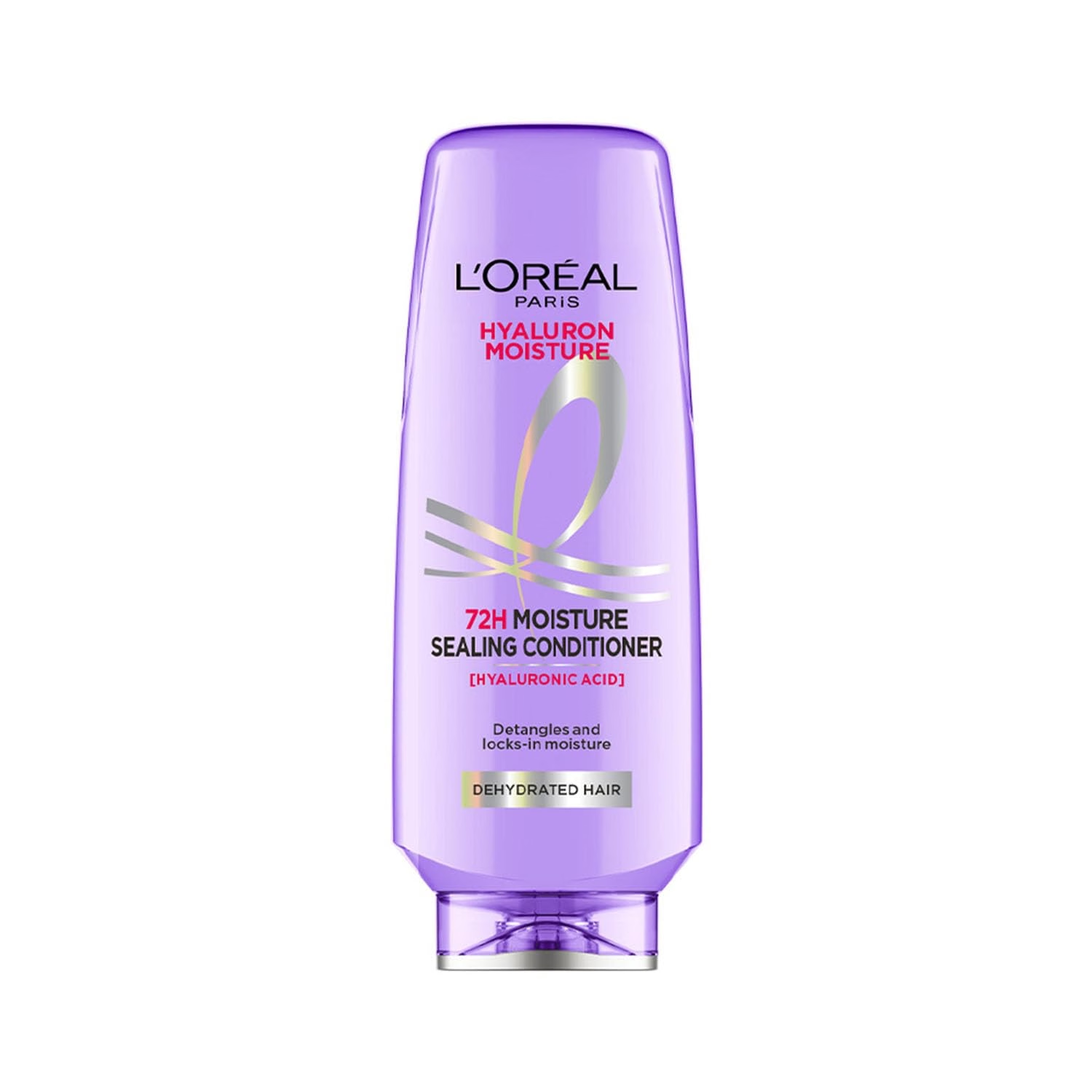
- L’Oréal Paris Hyaluron Moisture Sealing Conditioner
- TRESemmé Keratin Smooth Conditioner
- Dove Hair Fall Rescue Conditioner
- Matrix Mega Smooth Conditioner
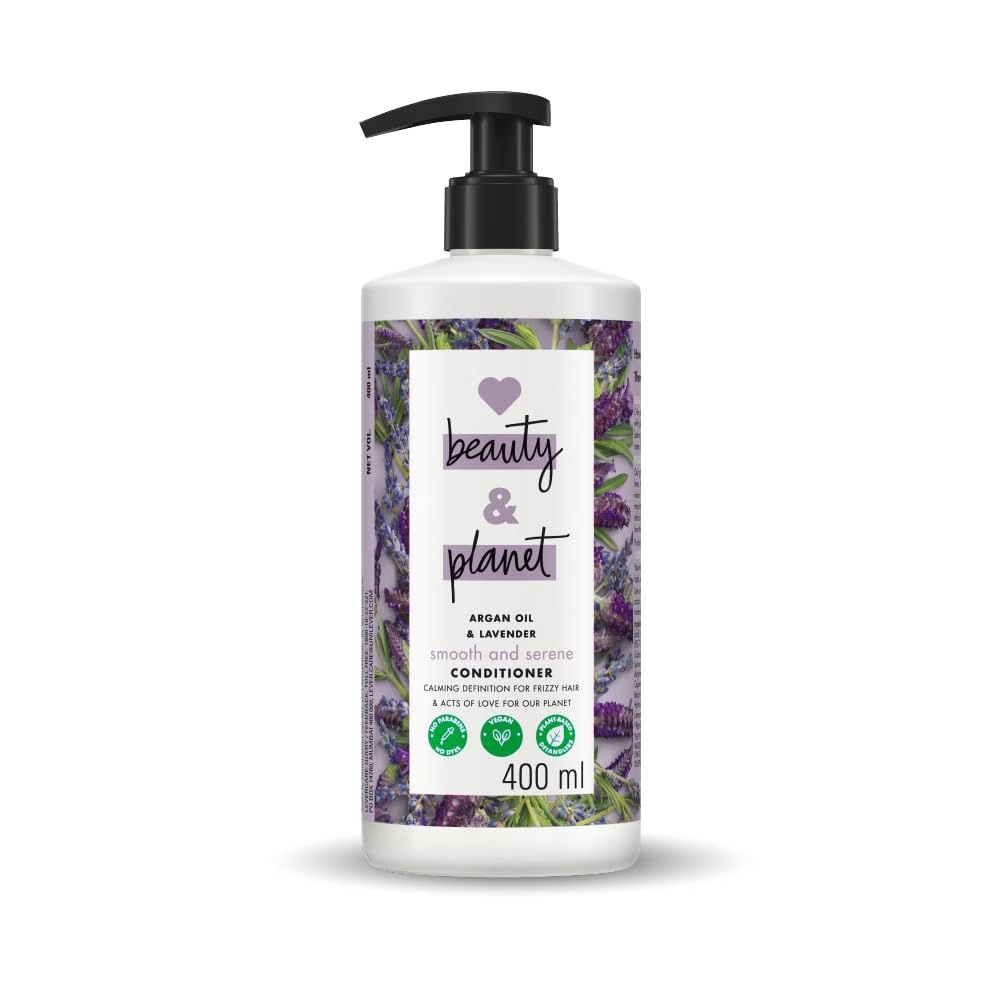
- Love Beauty and Planet Argan Oil and Lavender Conditioner
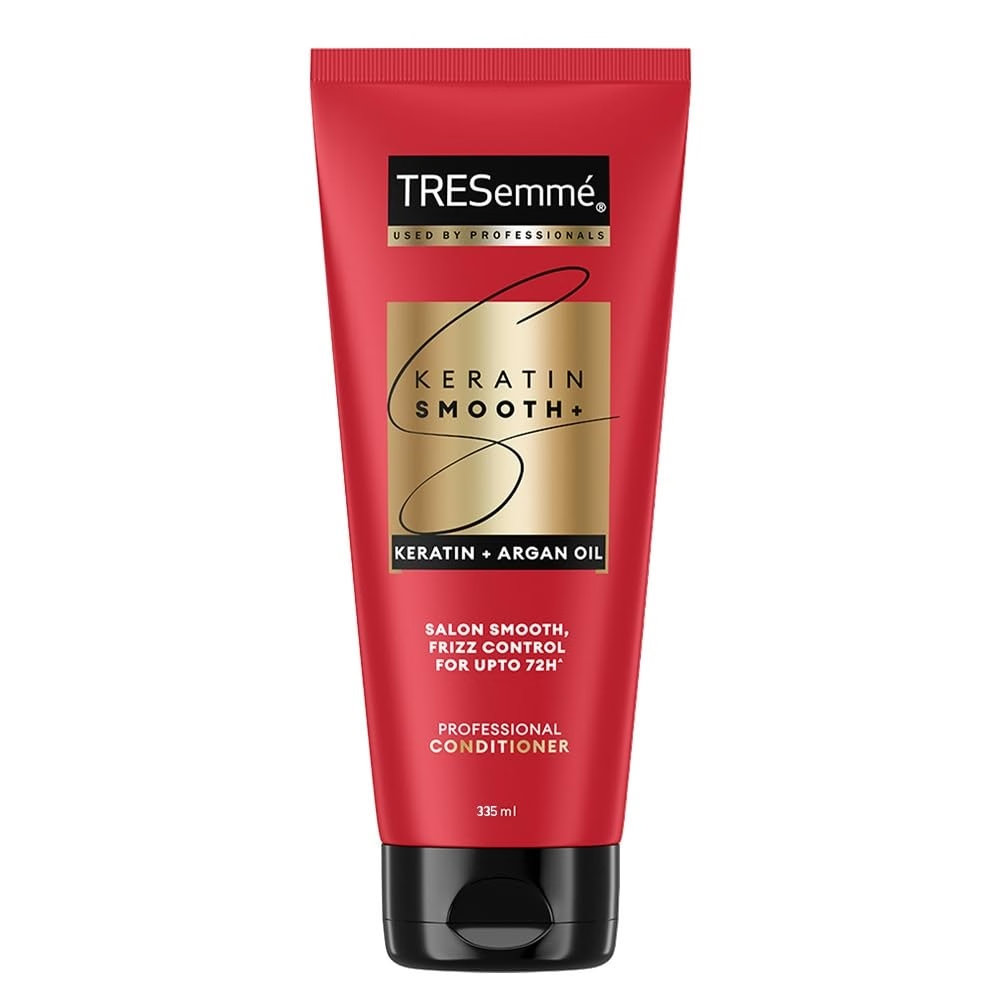
2. TRESemmé Keratin Smooth Conditioner
Features
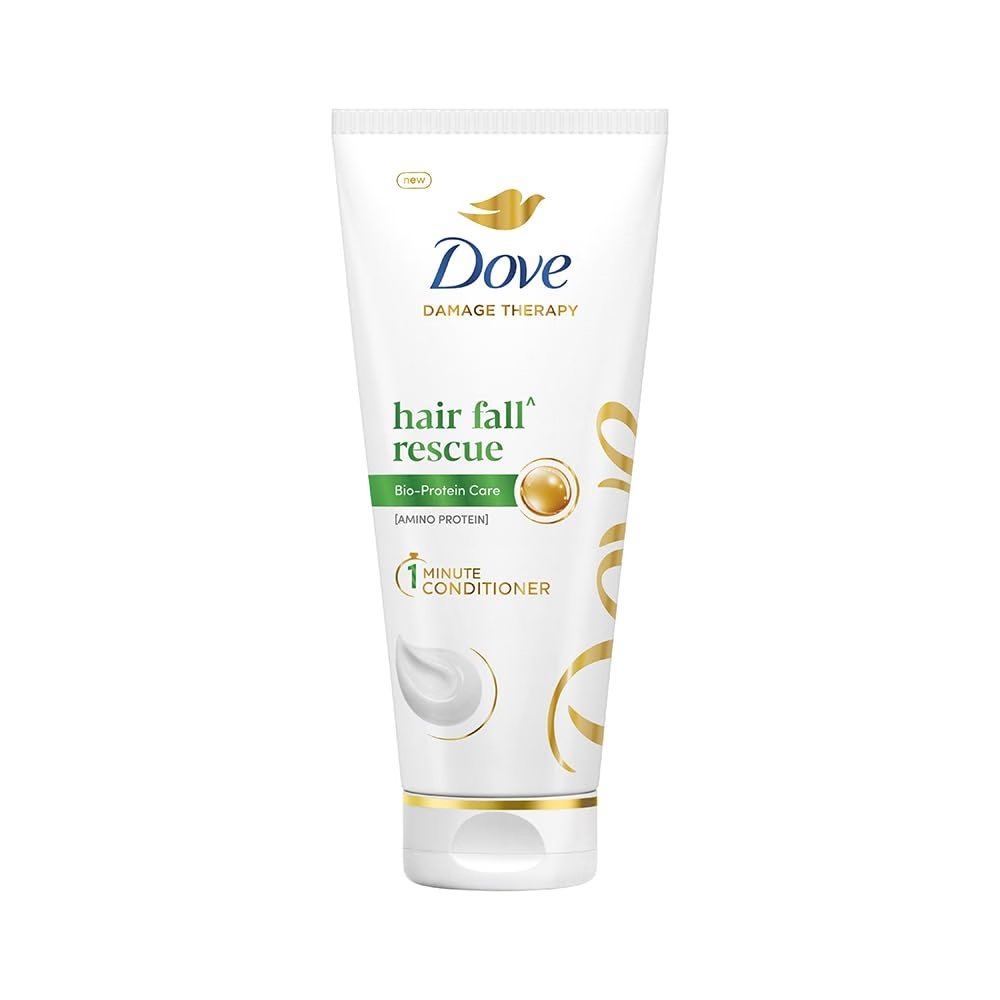
3. Dove Hair Fall Rescue Conditioner
Features
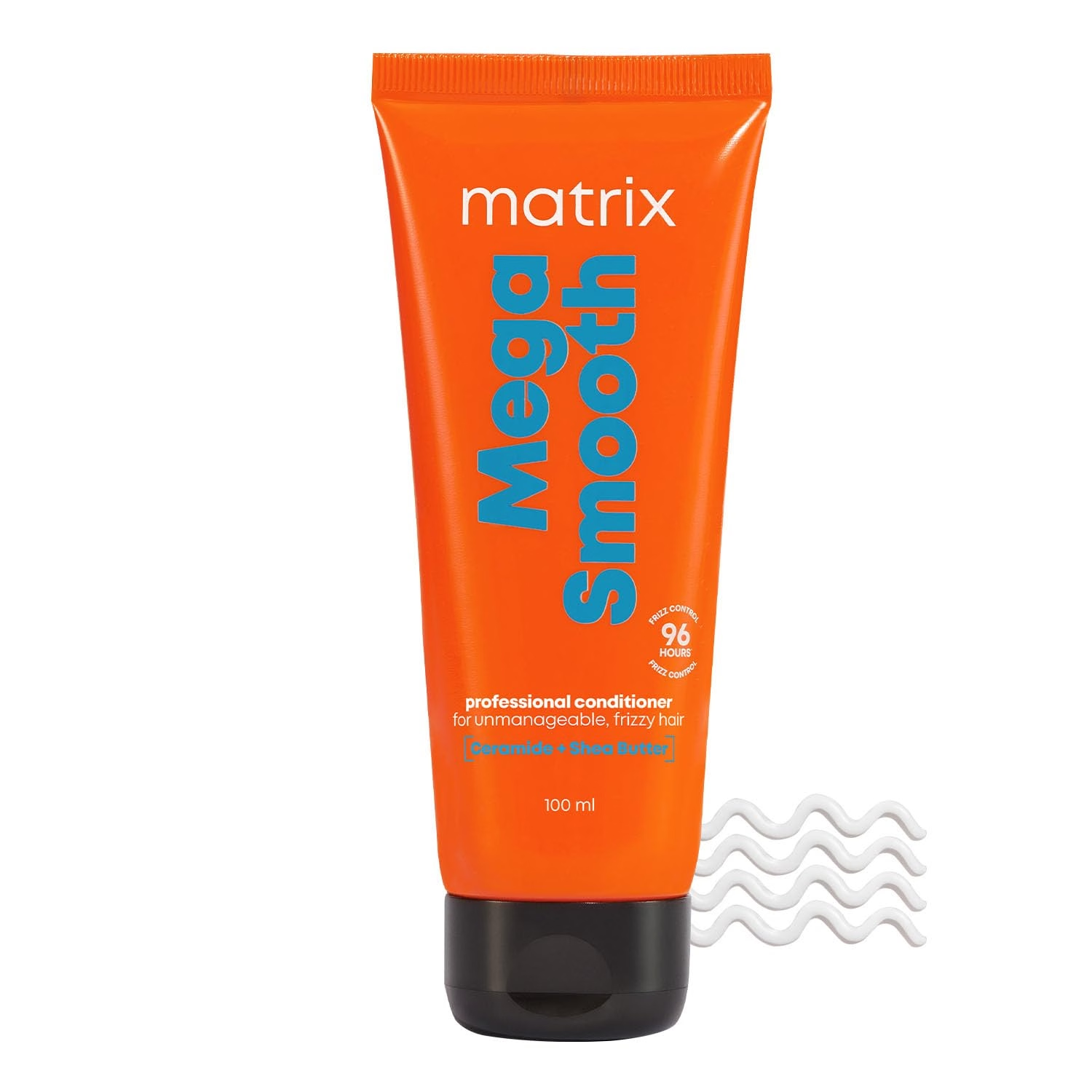
4. Matrix Mega Smooth Conditioner
Features
Hair Conditioners Compared at a Glance
This table lines up the five picks by the hair problem each suits, the maker’s main claim, the paraben-free claim, the leave-on time in the directions and the Amazon.in rating. Use it to shortlist two conditioners for your hair, then read the verdicts and the buying guide below.
| Pick | Best for | Maker’s main claim | Paraben-free on the listing | Leave-on time in the directions | Stars on Amazon.in | Where to buy |
|---|---|---|---|---|---|---|
| L’Oréal Paris Hyaluron Moisture Sealing Conditioner | Dry, dehydrated hair | Hyaluronic acid, up to 72 hours of hydration | Not stated | Follow your pack (two different times listed) | 4.3 from 26,000+ ratings | Check price on Amazon |
| TRESemmé Keratin Smooth Conditioner | Frizz on humid days | Keratin and argan oil; up to 72 hours of frizz control with its matching shampoo | Yes | 2 to 3 minutes | 4.2 from 27,000+ ratings | Check price on Amazon |
| Dove Hair Fall Rescue Conditioner | Breakage while combing | Protects against breakage from combing | Not stated | 1 minute | 4.3 from 21,000+ ratings | Check price on Amazon |
| Matrix Mega Smooth Conditioner | Coarse, unruly hair; salon brand | Shea butter, up to 5x smoother hair | Yes | Not stated | 4.2 from 14,000+ ratings | Check price on Amazon |
| Love Beauty and Planet Argan Oil and Lavender Conditioner | A free-from label | Argan oil and lavender; no parabens, phthalates or dyes | Yes | Briefly, per the directions | 4.3 from 3,700+ ratings | Check price on Amazon |
How We Chose These Hair Conditioners
We compared hair conditioners sold on Amazon.in, reading each listing’s title, feature bullets, product details and directions, and the Amazon.in buyer ratings. We checked that every rating pool covers only the same product in different sizes, and kept one pick for each common hair problem.
The picks run from the overall pick to the most specific need. Each card shows the maker’s claims, the directions and the Amazon.in rating, and the table above lines them up side by side so you can compare them quickly.
Who Should Buy Each Hair Conditioner (and Who Should Skip It)
Each verdict below says who the conditioner suits, a buyer situation it fits and when another pick is the better buy. Find the line that sounds most like you, then check that pick’s card and table row before you order.
1. L’Oréal Paris Hyaluron Moisture Sealing Conditioner: best overall, for dry hair
The pick for most buyers whose hair feels rough and dry after every wash.
- Buy it if you are buying your first conditioner and want a single product to start with.
- Skip it if your hair is soft at home but puffs up on humid days: get the TRESemmé Keratin Smooth Conditioner, made for humidity-induced frizz.
2. TRESemmé Keratin Smooth Conditioner: best for frizz on humid days
For hair that looks smooth at home and frizzy once you step out in the monsoon.
- Buy it if you straighten or blow-dry your hair for work most mornings.
- Skip it if you want one pump bottle you can use with a wet hand: get the Love Beauty and Planet Argan Oil and Lavender Conditioner.
3. Dove Hair Fall Rescue Conditioner: best for breakage while combing
For hair that tangles after a wash and leaves broken bits in the comb.
- Buy it if several people in your family share one bathroom shelf and one conditioner.
- Skip it if you notice thinning patches or a lot more hair on your pillow: the AAD advises seeing a dermatologist.
4. Matrix Mega Smooth Conditioner: best salon brand for unruly hair
For thick, coarse hair that turns unruly.
- Buy it if your stylist already uses Matrix products on your hair at the salon.
- Skip it if you want a conditioner whose listing calls it vegan: get the Love Beauty and Planet Argan Oil and Lavender Conditioner.
5. Love Beauty and Planet Argan Oil and Lavender Conditioner: best for a free-from label
For a label reader who checks the back of every pack before it goes in the basket.
- Buy it if you are stocking a guest bathroom or a holiday home.
- Skip it if you want a conditioner that many more buyers have rated: get the L’Oréal Paris Hyaluron Moisture Sealing Conditioner.
How to Choose the Best Hair Conditioner in India
Choose a hair conditioner by your hair type first and your main problem second. The AAD’s healthy hair tips say to learn your hair type and choose hair care products that say they are made for it. Then match the label to the problem you see most: dryness, frizz or breakage.
- Dry or rough hair: a conditioner for dry hair should say moisturising or hydrating.
- Frizzy hair: a conditioner for frizzy hair should say smoothing or anti-frizz.
- Breakage: look for a conditioner sold for damaged or breakage-prone hair.
- Fine or straight hair: condition the ends only, as the AAD advises.
- Coloured hair: check that the label says it suits colour-treated hair.
Which Conditioner for Dry Hair Works Best?
A conditioner for dry hair should say moisturising or hydrating on the label, and you should spread it along the full length of the hair. The AAD’s advice is that dry or curly hair gets conditioner along its full length, not only on the ends.
Our guide to the best hair serum for dry ends covers another kind of product for dry hair.
Conditioner for Frizzy Hair: What Should the Label Say?
Pick a conditioner for frizzy hair with a smoothing or anti-frizz formula, and if your hair frizzes most in the monsoon, look for a label that also names humidity. The AAD notes that hair breakage can leave hair frizzy, so gentle handling matters too.
What If Your Hair Is Fine or Straight?
Fine or straight hair still needs conditioner, but only on the ends: that is the AAD’s tip for fine or straight hair. Follow your bottle’s directions on how much to use and how long to leave it.
Curly, Coloured or Chemically Treated Hair
Curly hair gets conditioner along its full length, per the AAD tip above. The AAD also says that if you have thick, curly hair, the best time to comb is in the shower before you rinse out the conditioner. For coloured hair, pick a conditioner whose label says it suits colour-treated hair.
Rinse-Out, Deep or Leave-In Conditioner: Which Do You Need?
This guide covers rinse-out conditioners, the kind you use after shampoo. Where our picks’ listings give directions, they all say to rinse the conditioner out after applying it. Deep conditioners, hair masks and leave-in conditioners are separate products with their own labels.
- Rinse-out conditioner: used after shampoo and rinsed off. The AAD advises using conditioner after every shampoo.
- Deep conditioner or hair mask: the AAD mentions following a swimmers’ shampoo with a deep conditioner if you swim in pools. Use one as often as its label directs.
- Leave-in conditioner: a separate product type. Read its label for how much to use and whether to rinse it out.
If you are new to conditioner, start with a rinse-out conditioner after every shampoo, as the AAD advises, and read the full label of any leave-in conditioner or mask before you add it to your routine.
How to Use Hair Conditioner the Right Way
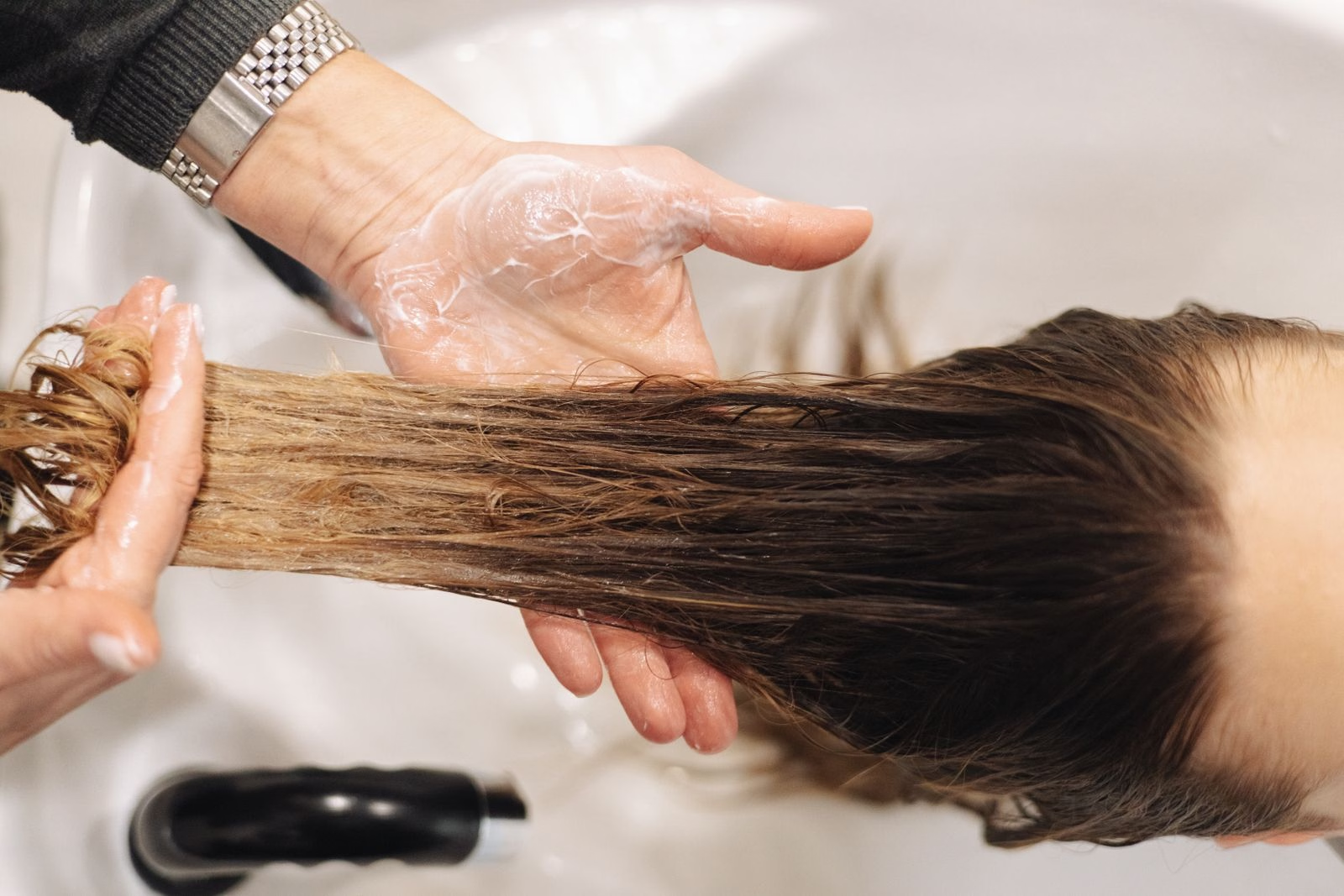
Use hair conditioner after every shampoo, on the right part of your hair, and rinse it out well. The AAD says conditioner moisturises and detangles hair and makes it easier to manage. These steps follow its advice; the directions on your own bottle come first.
- Shampoo first: wash the scalp, rinse, and squeeze out the extra water.
- Apply to the right area: the ends for fine or straight hair, the full length for dry or curly hair.
- Wait as directed: leave it on for the time printed on your bottle.
- Comb gently: for thick, curly hair, comb in the shower before rinsing out the conditioner.
- Rinse well: rinse until no conditioner is left in your hair.
- Dry gently: the AAD suggests wrapping your hair in a towel to absorb the water, and letting it air dry when possible.
The AAD also suggests letting straight hair dry a little before you comb it gently with a wide-tooth comb, while textured hair or tight curls should be combed while damp with a wide-tooth comb.
Can a Conditioner for Hair Fall Stop Hair Loss?
See a dermatologist if your hair is thinning or you are losing hair; the AAD says this is especially important. A conditioner for hair fall has a narrower job: the AAD lists using conditioner after every shampoo as a step to stop hair damage, and says simple hair care changes can help prevent breakage that can eventually cause hair loss.
The AAD explains that hair loss occurs when something stops the hair from growing, and that shedding more hairs than normal is a different problem. It says shedding 50 to 100 hairs a day is normal, and a dermatologist can tell you whether you have hair loss or excessive shedding.
- Hair that tangles and snaps when combed: use a conditioner for hair fall from breakage after every shampoo, and comb gently.
- More hair than usual on the comb or pillow: a dermatologist can tell whether it is shedding or hair loss.
- Thinning patches or a widening parting: see a dermatologist, as the AAD advises.
What Should You Check on a Conditioner’s Ingredient List?
Check three things on a hair conditioner: the hair type the label names, any free-from claims you care about, and the full ingredient list printed on the bottle. Labels such as paraben-free, dye-free or vegan are the maker’s claims, so read them on the pack you receive as well as on the listing.
- Hair type: the label should name your hair type or problem, such as dry, frizzy or damaged.
- Free-from claims: if you avoid parabens, silicones or dyes, look for the claim on the pack itself.
- Fragrance: if strong scents bother you, check the label for fragrance or perfume.
- Directions: the leave-on time and where to apply it differ from product to product.
What to Check Before Using a New Conditioner
Read the label before the first use. Follow its directions on where to apply the conditioner and how long to leave it, and follow any caution it prints, such as ‘for external use only’. If you know you react to an ingredient, check the full ingredient list on the pack before you buy.
What Does a Good Conditioner Do for Your Hair?
A good hair conditioner moisturises your hair, detangles it and makes it easier to manage. Those are the three effects the AAD names, and the labels in this guide promise them in their own words: hydration, smoothness or protection from breakage while combing.
- Moisture: the AAD says conditioner moisturises hair.
- Detangling: the AAD says it detangles hair, and the AAD notes that damaged hair is fragile and tends to break.
- Easier to manage: the AAD says conditioner makes hair easier to manage.
Hair Conditioner Mistakes to Avoid
Most hair conditioner problems come from using it in the wrong place, rinsing it too soon or handling wet hair roughly. These are the common mistakes and the simple fix for each one, based on the AAD’s hair care advice.
- Skipping conditioner: the AAD advises it after every shampoo.
- Loading the roots: on fine hair, keep conditioner to the ends.
- Rinsing too fast: give it the time printed on the bottle.
- Rubbing hair with a towel: wrap it instead and let it air dry when you can.
- Combing wet straight hair hard: let it dry a bit, then use a wide-tooth comb.
- Putting off the dermatologist: the AAD advises seeing one if your hair is thinning.
How to Protect Hair from Swimming Pools and Heat Styling
Rinse, shampoo and condition your hair right after swimming, and use the lowest heat when you style. The AAD says pool chemicals can be hard on hair, and that promptly drying your hair and using shampoo and conditioner after swimming can protect it from damage.
- Right after a swim: rinse, then shampoo and condition; the AAD suggests a swimmers’ shampoo followed by a deep conditioner.
- Blow dryers: the AAD says a blow dryer can help contribute to hair damage; use the lowest heat setting.
- Hot tools: limit the time a hot comb or curling iron touches your hair.
If you style with heat often, our heat protection hair spray guide covers sprays you apply before the dryer or straightener. Pair your conditioner with a shampoo for the same hair type: our best shampoo in India guide sorts shampoos by hair fall, dandruff and dry hair.
Which Conditioner Brand Is Best in India?
No single brand is best for every head of hair. Choose the exact hair conditioner made for your hair type and problem rather than a brand name, then read recent buyer reviews from people whose hair is like yours.
- Compare products, not logos: choose by the hair type and problem on the label.
- Match the range: if you like a brand’s shampoo, check whether it sells a conditioner for the same hair type.
- Read recent reviews: look for comments from buyers with hair like yours.
Where to Buy Hair Conditioner in India
Buy from the brand’s official store on Amazon.in or a named seller with a long ratings history. Check the size and the variant in your cart, since one hair conditioner listing often sells several sizes, and look at the seal and the use-by date when the parcel arrives.
- Seller: prefer the brand’s own store or a well-rated named seller.
- Size: confirm the bottle size you picked before you pay.
- On delivery: check the seal, the batch number and the use-by date on the pack.
- Travel: a small bottle and our dry shampoo guide help on trips with no time to wash.
Final Thoughts: Picking the Best Hair Conditioner for Your Hair
Our overall pick is the L’Oréal Paris Hyaluron Moisture Sealing Conditioner, for hair that feels dry after washing.
If your main problem is different, choose by need:
- For frizz on humid days: TRESemmé Keratin Smooth Conditioner.
- For breakage while combing: Dove Hair Fall Rescue Conditioner.
- For a salon brand for unruly hair: Matrix Mega Smooth Conditioner.
- For a free-from label: Love Beauty and Planet Argan Oil and Lavender Conditioner.
Frequently Asked Questions
Which is the best hair conditioner in India?
It depends on your main hair problem; for dry hair, our overall pick is the L’Oréal Paris Hyaluron Moisture Sealing Conditioner. Choose by the problem you see most often after washing, such as dryness, frizz or breakage. Then compare the picks matched to that problem in the comparison table above, using their labels and buyer ratings.
Which is the No. 1 conditioner in India?
We do not name one conditioner as No. 1 for everyone, because the AAD advises choosing hair care products that say they are made for your hair type. Our overall pick, for dry hair, is the L’Oréal Paris Hyaluron Moisture Sealing Conditioner. For frizz, breakage, a salon brand or a free-from label, compare the matching picks in the table above on their labels, directions and buyer ratings.
Should I use conditioner every time I wash my hair?
Yes, for most people. The American Academy of Dermatology advises using conditioner after washing your hair, because it moisturises and detangles hair and makes it easier to manage. If your hair is fine or straight, apply it to the ends only, as the AAD advises, rather than skipping it.
Can a conditioner stop hair fall?
A conditioner can be part of breakage care; for thinning hair or hair loss, the AAD advises seeing a dermatologist. The AAD lists using conditioner after every shampoo among the steps to stop damaging your hair, and says simple hair care changes can help prevent breakage that can eventually cause hair loss. It also says shedding 50 to 100 hairs a day is normal.
Should I apply conditioner on my scalp?
Not if your hair is fine or straight: the AAD advises conditioning only the ends of fine or straight hair, and the full length of dry or curly hair. Follow the directions on your bottle as well, because where to apply a conditioner and how long to leave it differ from one product to the next.
How long should I leave conditioner in my hair?
Follow the leave-on time printed on your bottle, because it differs from one conditioner to the next, and the picks in this guide do not all give the same time. Apply it where the label says, then rinse it out fully. A deep conditioner, hair mask or leave-in conditioner has its own label, so follow that product’s directions instead.
Related reads:
Leave a Reply