
Best Bird Diapers in India: 5 Reusable Flight Suits & Nappies for Parrots & Pet Birds
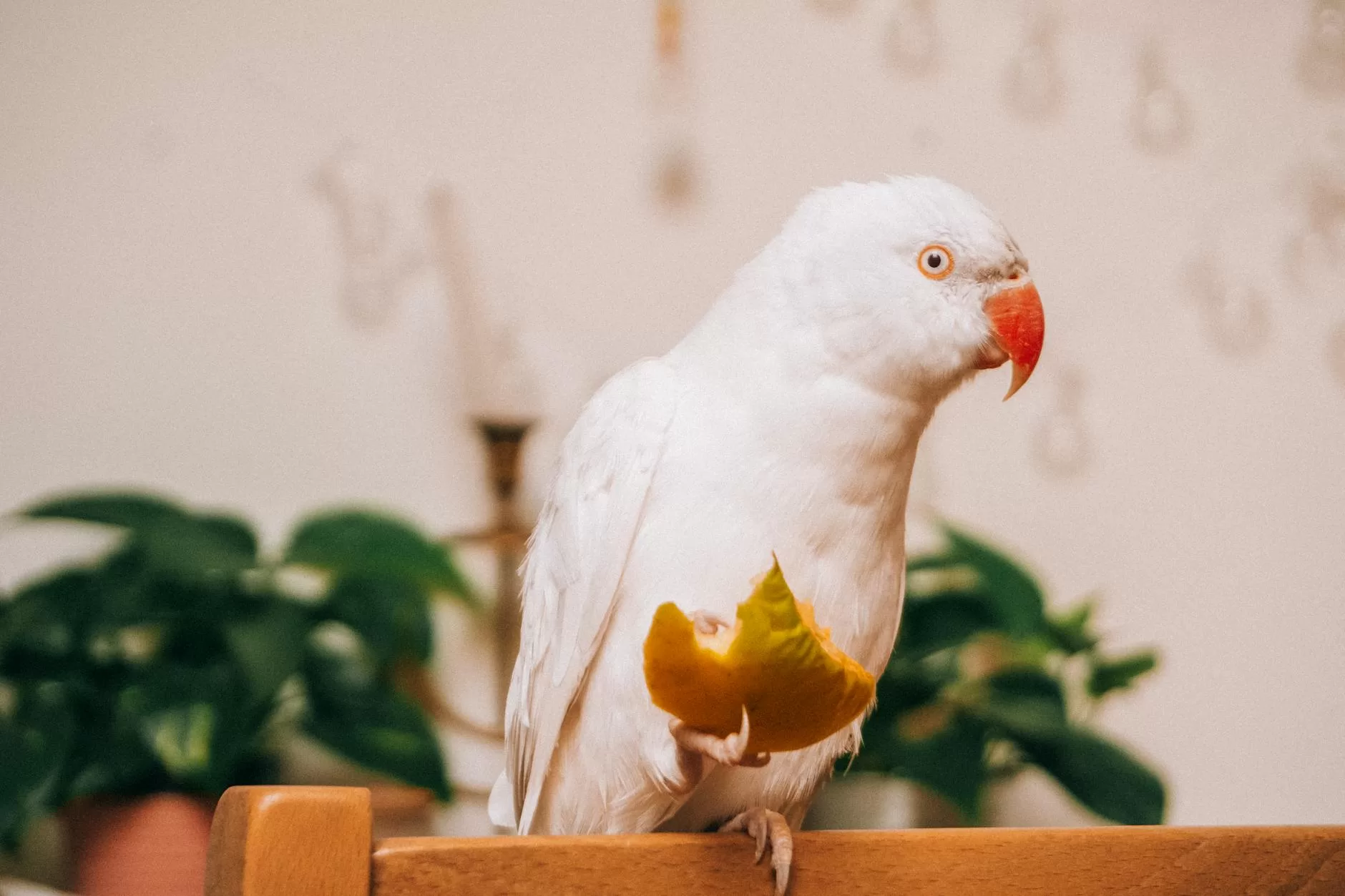
If you share your home with a pet parrot, cockatiel, budgie, or lovebird, you already know the messiest part of the day: that moment your bird poops on your shoulder, your couch, or the freshly mopped floor. Birds don’t hold it. They go roughly every 15–20 minutes, and clean-up gets old fast.
That’s exactly why reusable bird diapers (sometimes called flight suits or bird nappies) are now a must-have for Indian bird parents who let their pets out of the cage for free flight, shoulder time, or training. The idea is simple: a soft fabric pouch with adjustable straps catches the mess, while your bird flies and plays normally.
The challenge in India is that the category is still small. Amazon.in and Flipkart list a handful of bird diaper SKUs, mostly imported, and the reviews are scattered. So I went through the listings, picked the best 5 reusable bird diapers actually available on Amazon India right now, and put them in this guide along with a buying section, sizing reference, and step-by-step on how to use one.
Below is the quick summary of the top 5, followed by the full review of each one. If you’re short on time, the QUICK SUMMARY block has the affiliate links so you can jump straight to Amazon.
QUICK SUMMARY: Top 5 Best Bird Diapers in India
- One Link Mall Bird Diaper for Large Parrots
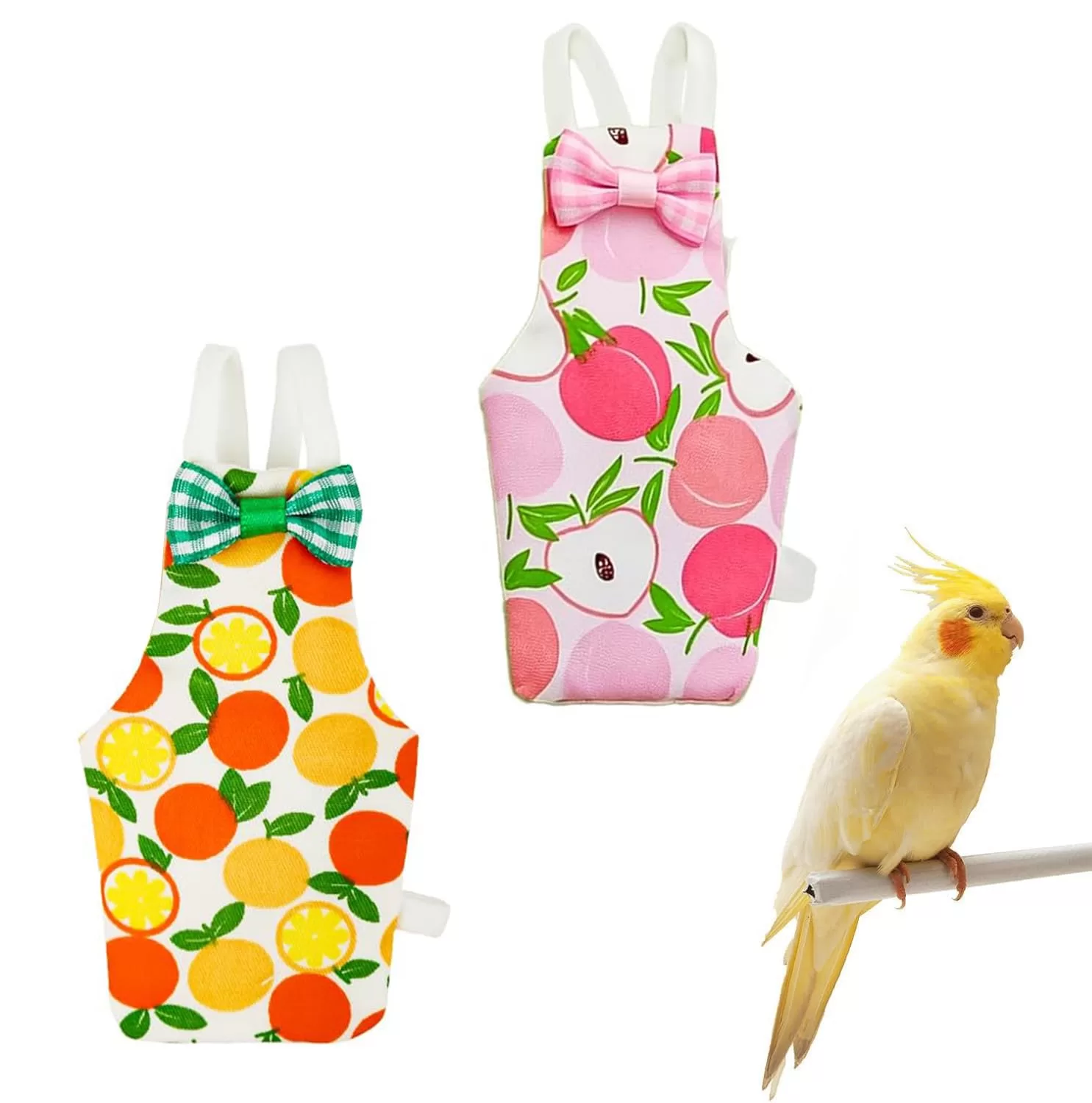
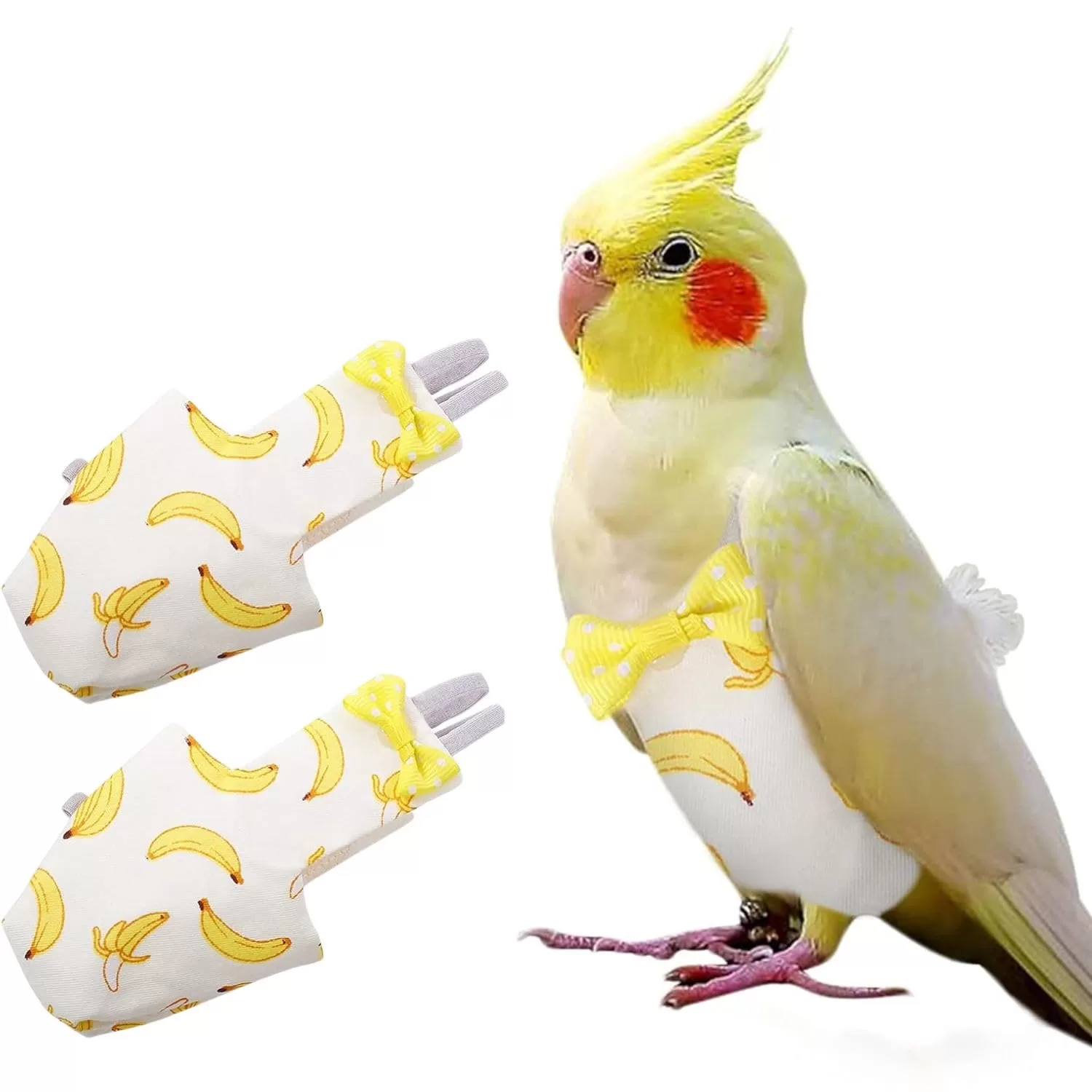
- Squishy 2-Pack Bird Diaper with Banana & Cherry Patterns
- CoolShef Reusable Bird Diaper for Budgies, Conures & Parakeets
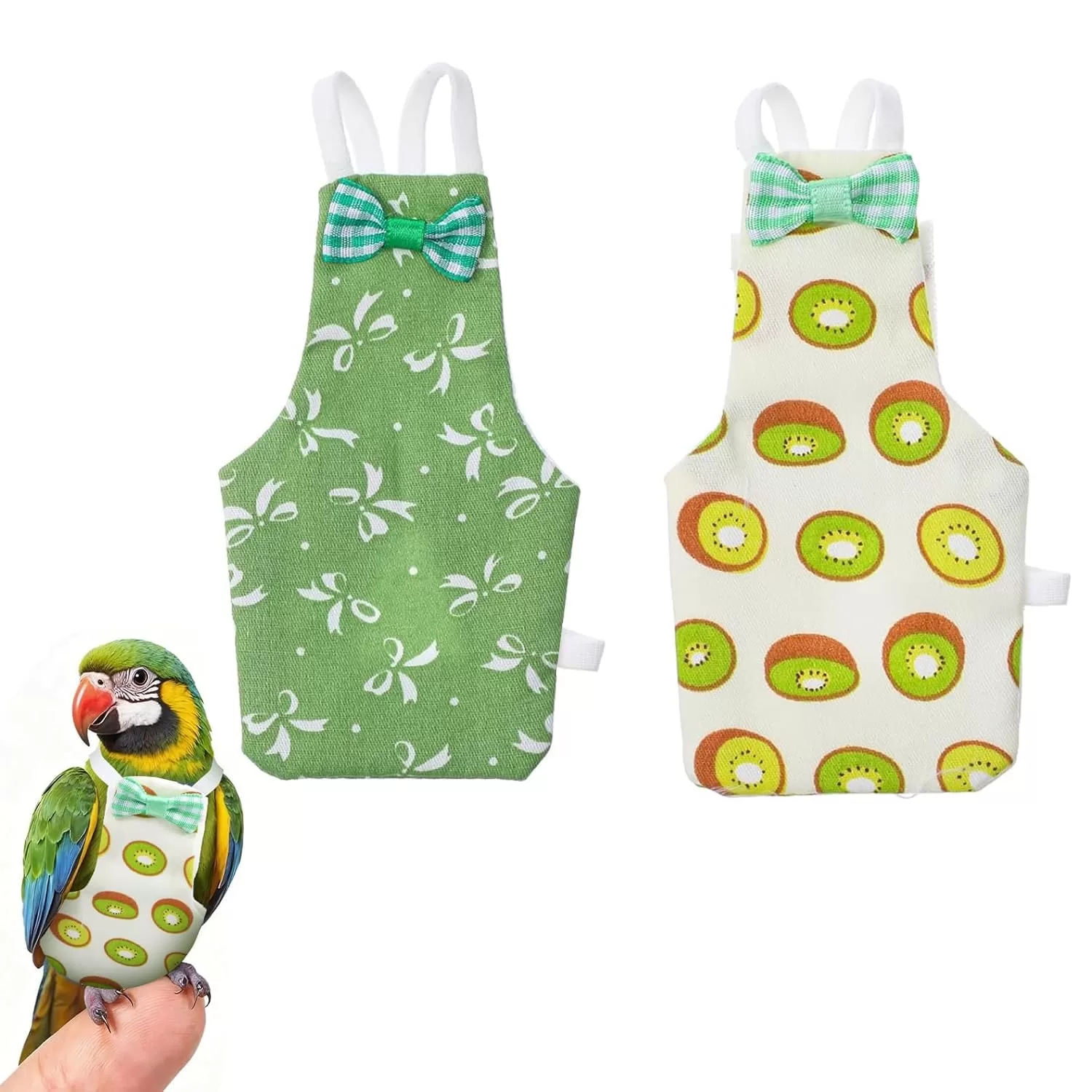
- VAYINATO Adjustable Banana Bird Diaper for Small Birds
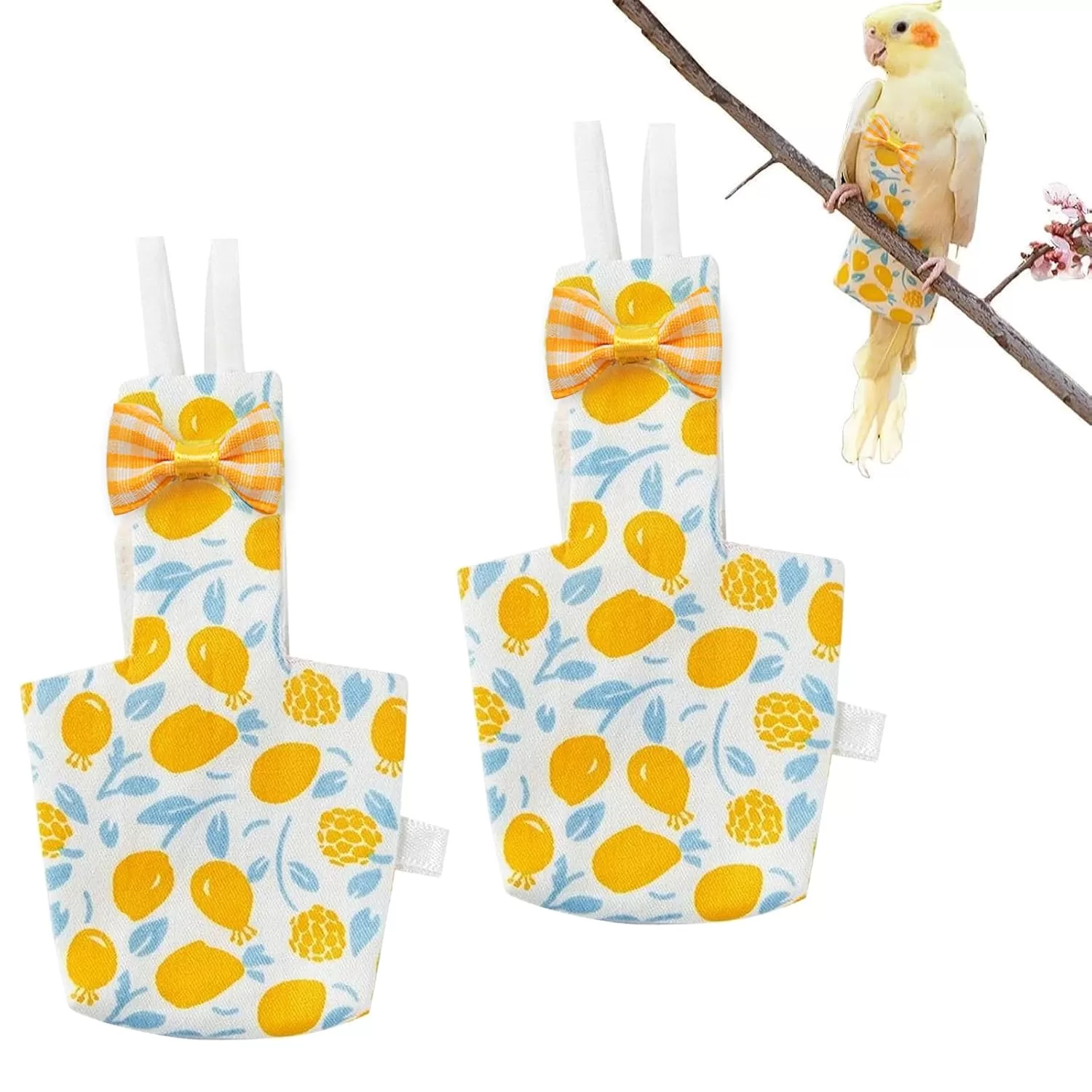
- Flavizo 2-Pack Bird Diaper for Cockatiels & Parakeets
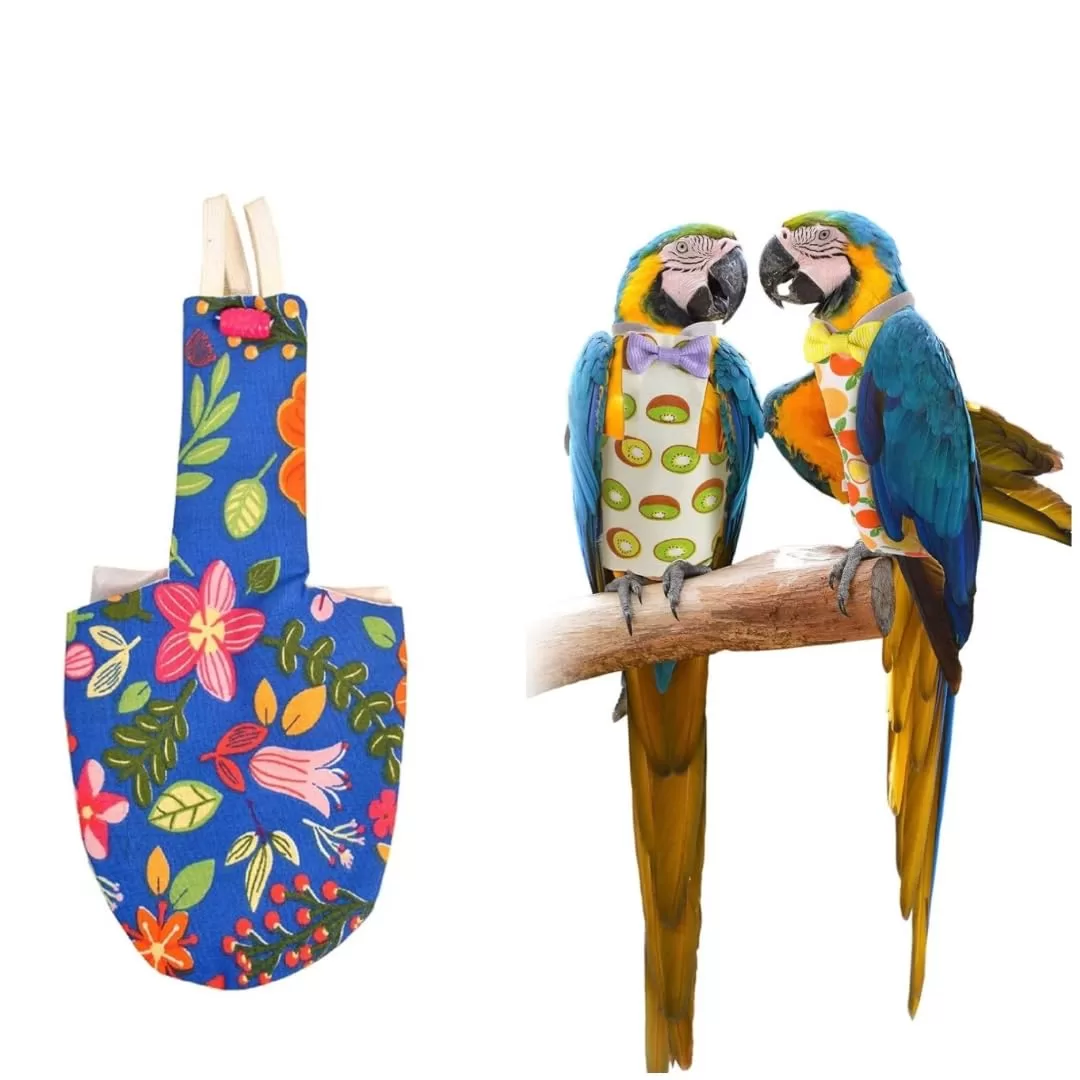
1. One Link Mall Bird Diaper for Large Parrots
Features
Why Indian Bird Parents Are Switching to Reusable Bird Diapers
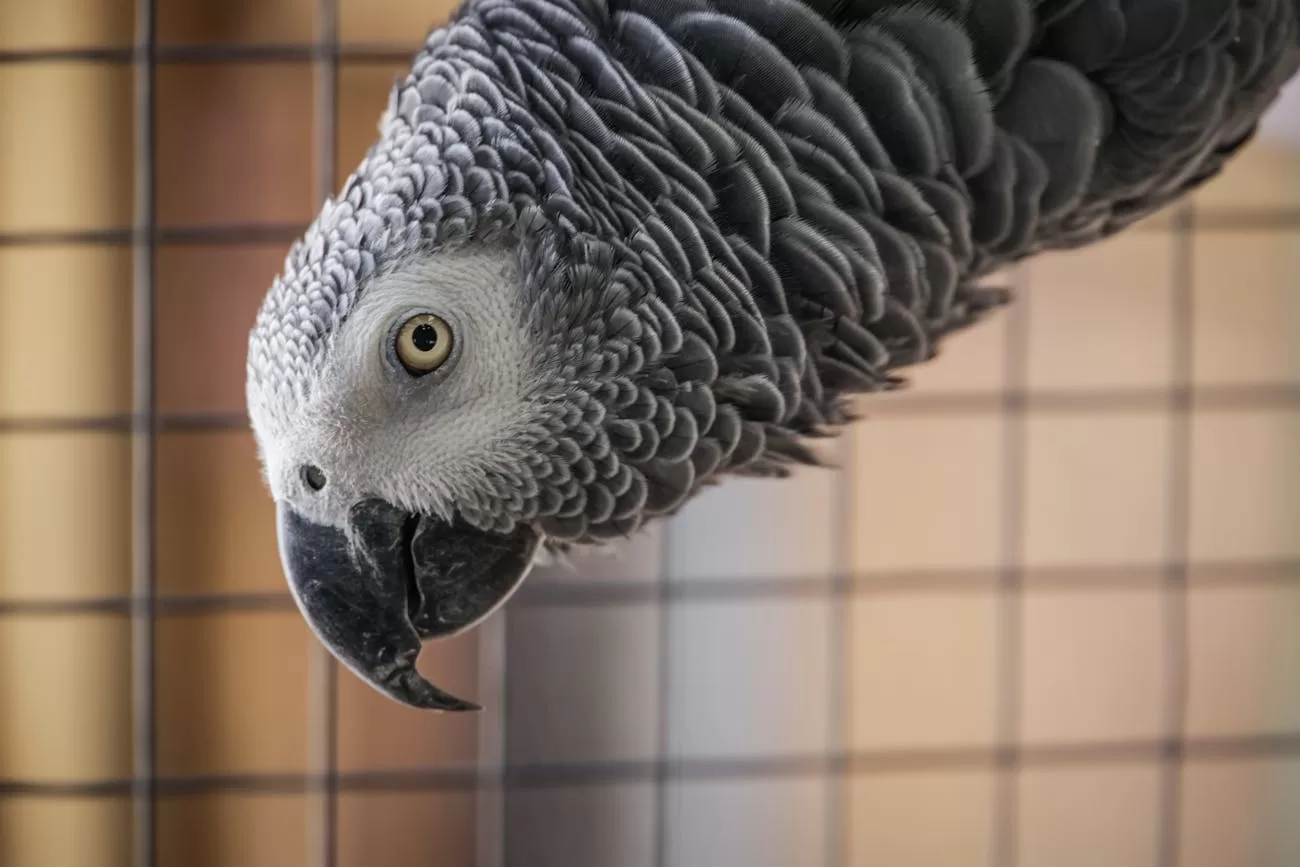
Pet bird ownership in urban India has been quietly growing, budgies, cockatiels, conures, and Indian Ringneck parrots are now common in apartment homes from Bengaluru to Delhi. For broader context on responsible parrot care, the World Parrot Trust is a strong resource. With smaller homes and more screen-time-tied owners, free-flight or out-of-cage time has shifted from a once-a-day routine to several short sessions throughout the day.
Without a diaper, that means clean-up after every session. With a diaper, your bird can perch on your shoulder while you take a call, walk around the house, or sit at your desk, without you obsessively watching the floor or your shirt.
The other reason for the switch is hygiene. Bird droppings carry bacteria and fungal spores that can irritate sensitive lungs (yours and the bird’s). Catching the mess in a washable diaper, then rinsing the diaper out at the end of the day, is cleaner than wiping every surface your bird perched on.
The trade-off: a bird diaper is not a 24/7 garment. It needs to come off for sleep, baths, and longer breaks. Used right, though, it pays for itself in saved tissue, saved upholstery, and a much calmer relationship with your free-flying pet.
How to Choose the Right Bird Diaper in India
All five picks above are reusable, washable, and adjustable, but the “right” one depends on your bird’s species, your usage pattern, and how often you’re willing to wash it. Here’s what to look at before you click buy.
1. Match the size to your bird’s species
Bird diapers in India are typically sold in three size brackets: small (budgies, parakeets, lovebirds, finches), medium (cockatiels, conures, Indian Ringnecks), and large (African Greys, Amazons, Macaws). The One Link Mall pick is the only Large in this list (9.5 × 22 cm) and is explicitly listed for Grey Parrots, Macaws, and Conures. The CoolShef diaper at 5.9 × 12 cm is built for budgies, parakeets, and small conures. The remaining three (Squishy, VAYINATO, Flavizo) sit in the small-to-medium range and fit cockatiels, budgies, and similar.
If your bird’s species isn’t mentioned in the listing, the safest move is to measure: girth (around the chest, just below the wings) and body length (from shoulder to tail base). Match those numbers to the listing’s size chart, not the species name, species naming on Amazon listings is often loose.
2. Material and breathability
Most reusable bird diapers in India are made from a soft fabric outer layer (cotton blend or polyester) with a moisture-resistant inner liner. Breathable fabric matters: birds regulate body temperature partly through their skin, so a thick, plasticky diaper traps heat and causes stress. None of the five picks above are listed as fully waterproof; they’re absorbent. That’s a feature, not a bug, absorbent fabric is more comfortable for the bird and easier to wash than a plastic-backed nappy.
3. Strap mechanism: how it stays on
Look for adjustable straps (elastic, Velcro, or buckle) that go around the wings and behind the chest. The four small/medium picks here all use adjustable straps. A snug fit is critical, loose, and your bird wriggles out within minutes; too tight, and you risk chafing or restricting wing movement. Plan to spend a few minutes the first time fitting and re-checking the straps.
4. Pack count and value
Four of the five picks (Squishy, CoolShef, VAYINATO, Flavizo) ship as a pack of 2, which is the right number to own, one in use, one in the wash. The One Link Mall is sold as a pack of 1 because it’s a larger, single-bird-tailored size. If you’re budgeting, look at price-per-diaper, not pack price; the value spread is wider than the headline suggests.
5. Design and pattern
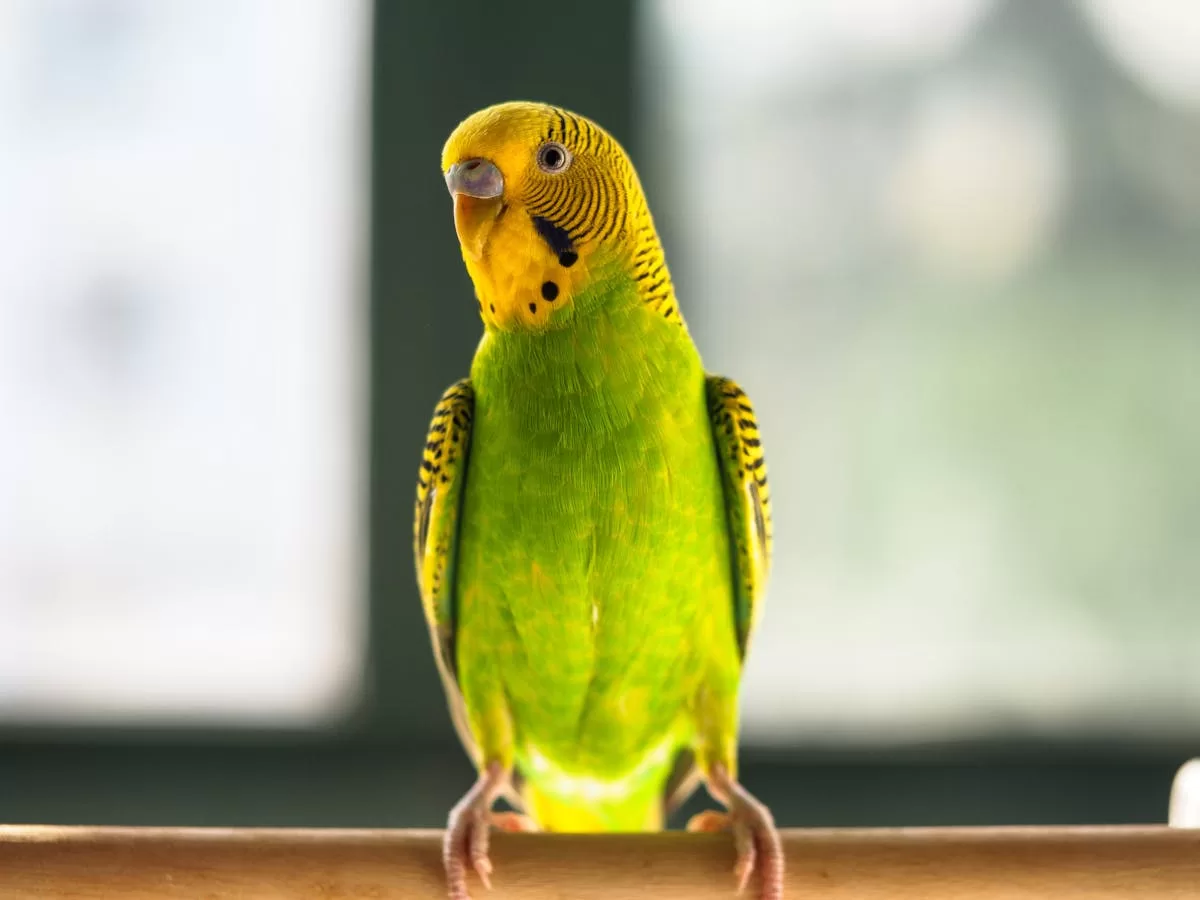
Print and pattern are aesthetic, but they matter for a practical reason too: dark or busy patterns hide stains between washes. Plain pastel diapers will look grimy faster. The banana-and-cherry, fruit, and floral prints in this list are forgiving in that sense.
Bird Sizes & Matching Diaper Sizes (Quick Reference)
Use this as a starting point. Always cross-check with the specific listing’s measurements before you buy.
- Extra-small (XS): Finches, canaries, parrotlets, very small girth, often under 8 cm body length. Limited Indian inventory; consider XS imports on Etsy India if Amazon doesn’t fit.
- Small (S): Budgies, parakeets, lovebirds, the CoolShef pick (5.9 × 12 cm) is the closest match in this guide.
- Medium (M): Cockatiels, sun conures, Indian Ringneck parrots, the Squishy, VAYINATO, and Flavizo picks all sit in this bracket.
- Large (L): African Greys, Amazon parrots, smaller Macaws, the One Link Mall (9.5 × 22 cm) is the only Large in this list.
- Extra-large (XL): Large Macaws, Cockatoos, not currently well-served by Amazon.in; you’ll likely need to import or use a tailor.
If your bird sits between two sizes, go smaller, not larger, a slightly snug fit holds. A loose diaper falls off mid-flight.
Bird Diapers vs Cage Liners vs Poop-Pad Training: What Actually Works
A bird diaper is one of three popular hygiene tools Indian bird owners use. Each has a different job, and the right setup is usually a combination of all three rather than one alone.
Cage liners (newspaper / cage paper)
Cage liners are passive, you swap them daily and the bird does its thing inside the cage. They’re cheap, effective for in-cage hours, and zero training. The downside: they don’t help you the moment your bird steps out for free flight or shoulder time. Liners and diapers are complements, not alternatives.
Poop-pad / target-pooping training
Some parrots (especially intelligent species like African Greys, Indian Ringnecks, and larger conures) can be trained to poop on cue or only on a designated pad. It’s a real technique, but it requires consistent training over weeks and isn’t reliable for budgies, finches, or younger birds. Most owners use it for the first few minutes after the bird steps out of the cage; a diaper covers the longer free-flight windows after that.
Bird diapers (flight suits)
Diapers solve the active out-of-cage problem the other two tools can’t. They’re mid-priced (₹329–499 for a pack of 2 on Amazon.in), reusable for 4–8 weeks per diaper, and need only a few minutes of bird-acclimatisation per day. For most apartment-living bird parents in India, a diaper is the single biggest quality-of-life upgrade for free flight time.
The combined setup most experienced bird owners arrive at: cage liners during cage hours, brief poop-pad training right after the bird comes out, then a diaper on for the longer free-flight session. That’s clean floors, clean shoulders, and a bird that gets the out-of-cage time it needs.
Where to Buy Bird Diapers in India (And How to Spot a Good Listing)
Bird diapers are sold on three main channels in India: Amazon.in, Flipkart, and niche pet retailers (Noah’s Pets, PavithramPets, PetzLifeWorld). All five picks above are on Amazon.in because that’s where the largest selection, fastest shipping, and most-detailed listings live for this category.
If you decide to look beyond this guide, here’s how to vet a bird diaper listing before you buy:
- Confirm size and species in the listing: A serious listing tells you the body length, girth, and which species the diaper fits. Vague listings (“fits all small birds”) usually mean a poor fit for at least one of those species.
- Look for at least 5 verified-purchase reviews: Bird diapers are a small-volume category. Anything under 5 reviews could be a brand-new SKU with no real-world feedback yet.
- Check the listed material: Cotton blend or breathable polyester is fine; fully waterproof / plastic-backed is risky for longer wear.
- Pack count matters more than price: A 2-pack at ₹399 is better value than a 1-pack at ₹329 in 95% of cases, you need two anyway.
- Watch the seller: Stick to Amazon-shipped (Prime), Flipkart Assured, or established pet retailers. Generic third-party sellers in this category are hit-or-miss.
Etsy India is worth a mention for owners with hard-to-fit birds (very small finches or oversized Macaws). The selection is smaller and prices are higher (often ₹800–1500 for handmade fits), but the size precision is better. For mainstream species, Amazon.in is the right starting point.
How to Put a Bird Diaper on Your Bird (First-Time Tips)
The first time you put a diaper on your bird, expect protest. That’s normal. Most birds accept the diaper after 3–7 short sessions if you stay calm and pair it with a treat.
Introduce the diaper in short sessions
Start with 5–10 minutes. Sit somewhere quiet, calm your bird with their favourite millet or seed, and gently slip the diaper on while they’re distracted by the treat. Take it off after a few minutes, before they get frustrated. Repeat 2–3 times a day; the duration extends naturally as they adjust.
Get the fit right (snug but not tight)
The straps should hold the diaper firmly enough that it doesn’t slide forward or rotate, but you should still be able to slip a finger between strap and feather without pressure. If you see your bird repeatedly biting or pulling at one strap, that strap is too tight.
Reward, reassure, repeat
Birds learn through pattern. Treat-on, diaper-on, treat-off, diaper-off (if you make this association consistent, most parrots stop reacting to the diaper within a week. Don’t scold for chewing) just calmly redirect.
When NOT to use a bird diaper
Take the diaper off for sleep (birds need full thermoregulation overnight), baths and misting, and any prolonged kennel time. Never leave a diaper on a bird for more than a few hours without checking the skin underneath for redness or moisture.
Care, Cleaning, and Replacement
Reusable bird diapers are simple to clean. After each session, empty any solid droppings into the bin and rinse the diaper under cold water until the water runs clear. For a deeper wash, hand-wash with a mild fragrance-free detergent or run through a gentle machine cycle inside a delicates bag.
Air-dry only, tumble dryers shorten the life of the elastic and Velcro. A bird diaper that gets two short sessions a day will typically last 4–8 weeks before the elastic loses its grip or the fabric starts to thin. That’s why owning two diapers per bird (so one is in the wash while the other is in use) is the right baseline.
Replace any diaper showing fraying around the leg holes, stretched-out elastic, or stains that don’t come out after a thorough wash. A worn-out diaper is more likely to slip mid-flight, which defeats the purpose.
Bird Diaper Safety: What to Watch Out For
Bird diapers are safe when used correctly. They become a problem when left on too long, fitted too tightly, or used on a stressed bird that hasn’t had time to adjust. Watch for these signs:
- Skin redness or moisture: Check under the diaper at every change. Damp skin can develop fungal irritation if the diaper is left on for hours.
- Excessive preening or chewing of straps: A few attempts are normal in the first week. Persistent chewing means the fit is wrong.
- Reluctance to fly or move: Birds should still fly normally with a properly fitted diaper. If your bird sits frozen, the strap is restricting wing movement, loosen and re-fit.
- Droppings staying in contact with skin: Some absorbent diapers wick liquid into the fabric, but solid droppings sit until you rinse. Don’t let the diaper go beyond 2–3 hours without a check.
Bird diapers are also not a substitute for cage cleaning, healthy diet, or vet check-ups. They’re a quality-of-life tool for the time your bird is out of the cage with you. Use them that way and they’re excellent.
Final Thoughts: Picking the Best Bird Diaper for Your Pet in India
If you have a small bird (budgie, parakeet, lovebird), the CoolShef 2-pack is the most species-specific pick in this list. If you have a medium bird (cockatiel, Indian Ringneck), the Squishy banana-and-cherry pack or the Flavizo fruit-pattern set work well. For African Greys, Macaws, and other large parrots, the One Link Mall Large is the only properly sized option here, and it’s also the most-reviewed bird diaper in the list (27+ ratings on Amazon India).
Whichever you pick, plan to own at least two so you can rotate them through the wash, give your bird 5–7 short sessions to get used to it, and check the fit and skin underneath every couple of hours. Done right, a bird diaper means more out-of-cage time, less mess, and a much calmer home.
Frequently Asked Questions About Bird Diapers in India
Are bird diapers safe for parrots and pet birds?
Yes, when used correctly. A well-fitted, breathable, reusable bird diaper is safe for parrots, budgies, cockatiels, and similar pet birds during out-of-cage time. The key safety rules are: never leave it on overnight, take it off for baths, check the skin underneath every couple of hours, and remove it immediately if you see redness, dampness, or your bird struggling to move.
How do I know which bird diaper size is right for my bird?
Match the listing’s body-length and girth measurements to your bird, not the species name. Small (budgies, parakeets, lovebirds) is roughly 5–7 cm body length. Medium (cockatiels, sun conures, Indian Ringnecks) sits around 8–10 cm. Large (African Greys, Amazons, smaller Macaws) is 9–12 cm or bigger. If your bird falls between sizes, choose the smaller one (a snug fit holds; a loose one slips off.
How long can my bird wear a diaper at a time?
Aim for 2–3 hour sessions, with a check-and-clean break in between. Most reusable bird diapers in India are designed for out-of-cage play time, not all-day wear. Always remove the diaper for sleep, bathing, and any time your bird will be back in the cage for an extended period.
Are reusable bird diapers worth it compared to just cleaning up?
For most Indian bird parents who let their birds out for free flight or shoulder time, yes. A pack of 2 reusable diapers (around ₹330–399 on Amazon.in) typically pays for itself in 4–6 weeks of saved tissue, cleaner upholstery, and easier hygiene routines) especially if you have light flooring or fabric-heavy furniture.
Can my parrot fly while wearing a bird diaper?
Yes (a properly fitted bird diaper or flight suit is designed to allow normal wing movement. The straps should sit behind the chest and around the legs, not across the wings. If your bird is reluctant to fly while wearing one, the fit is too tight; loosen the straps and re-fit.
How do I wash and care for a reusable bird diaper?
Empty solid droppings into the bin, rinse under cold water until clear, then either hand-wash with mild fragrance-free detergent or run a gentle machine cycle inside a delicates bag. Air-dry only) tumble drying shortens elastic and Velcro life. Replace any diaper that shows fraying, stretched elastic, or persistent stains.
What if my bird refuses to keep the diaper on?
This is normal in the first week. Start with 5–10 minute sessions paired with a favourite treat (millet or seed), so your bird associates the diaper with something positive. Take it off before they get frustrated. Most parrots and budgies stop protesting within 5–7 short sessions if the fit is correct and you stay calm.
Related reads: bird diapers are just one piece of the parrot-care puzzle. We’re building out our pet-bird coverage now, check back soon for guides on the best parrot cages in India, beak-safe perches, and parrot food brands worth buying on Amazon.in.
