
Best Address Books in India: 5 Office Picks for Reliable Contact Storage

I went through the Amazon India listings for the best address books in India and I was surprised. This is not a dead category. There are a handful of genuinely good hardcover and pocket address books on Amazon.in, all priced under three thousand rupees, all with real review counts in the hundreds or thousands. If you run an office, manage a reception desk, or just hate the feeling of a contacts list trapped inside one phone, a physical address book is still the cheapest and most resilient piece of office stationery you can buy.
The shortlist below is what survived after I deduplicated brand variants, dropped off-topic sticker books, and sorted what was left by Amazon India review count. Every pick has a tag-verified affiliate link, and every product is currently in stock on Amazon India. Mead and ADC Kamset cover the budget and Indian-brand ends. JUBTIC, Nokingo and Legend Planner cover the premium hardcover and pocket-mini ends. If you only have two minutes, scroll to the quick summary and pick by use case.
QUICK SUMMARY: Top 5 Best Address Books in India
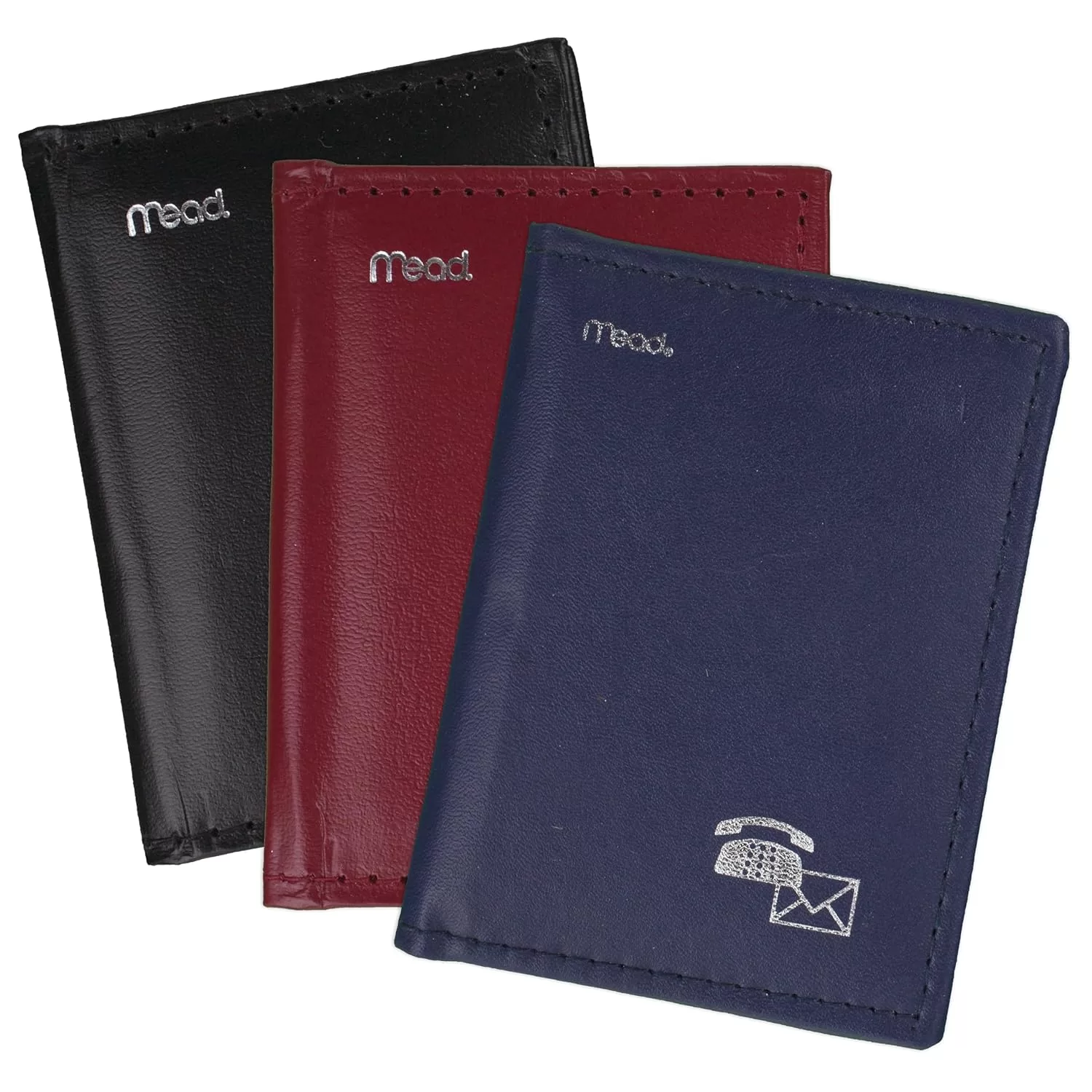
- Mead Telephone Address Book, Mini, 4 x 3-Inches, Vinyl
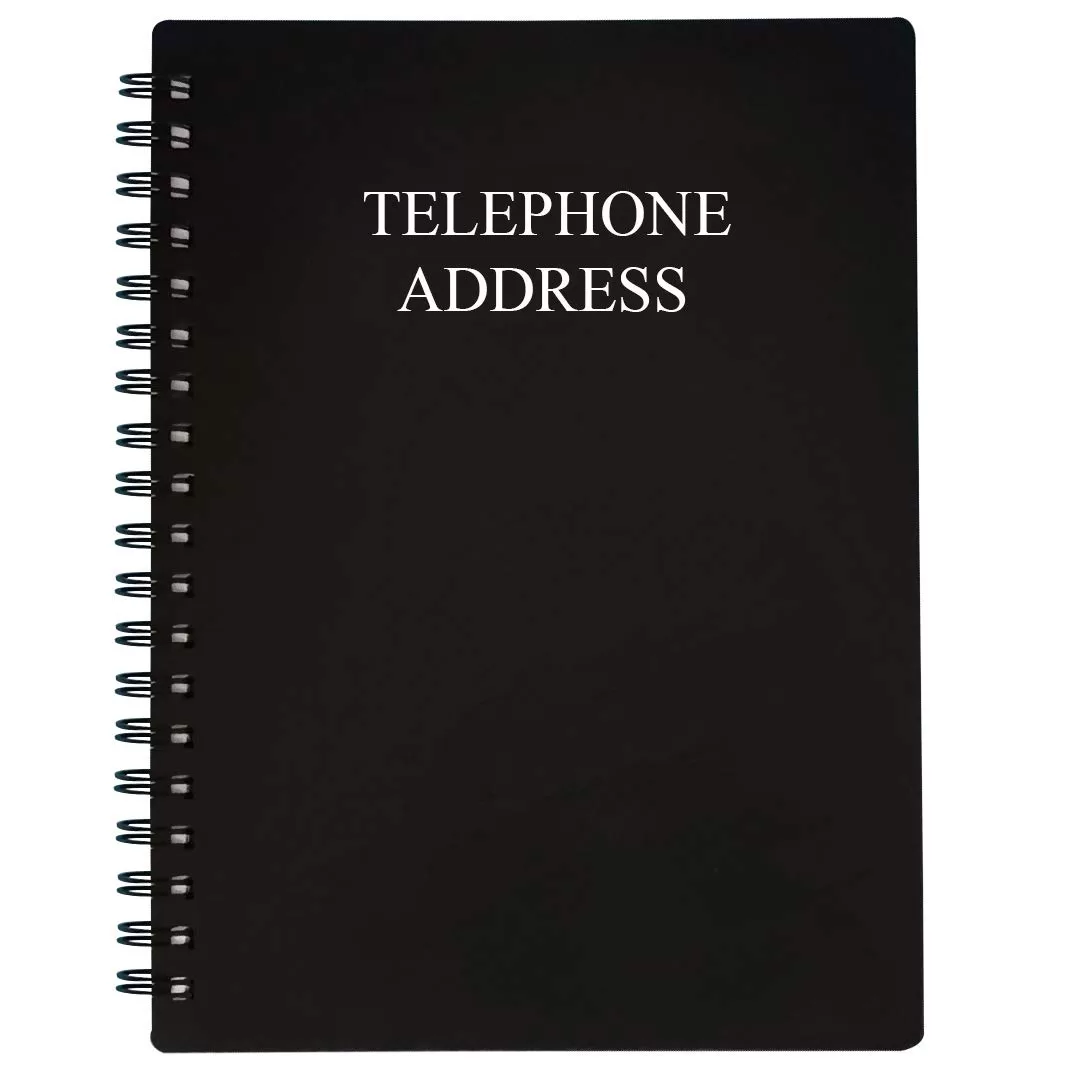
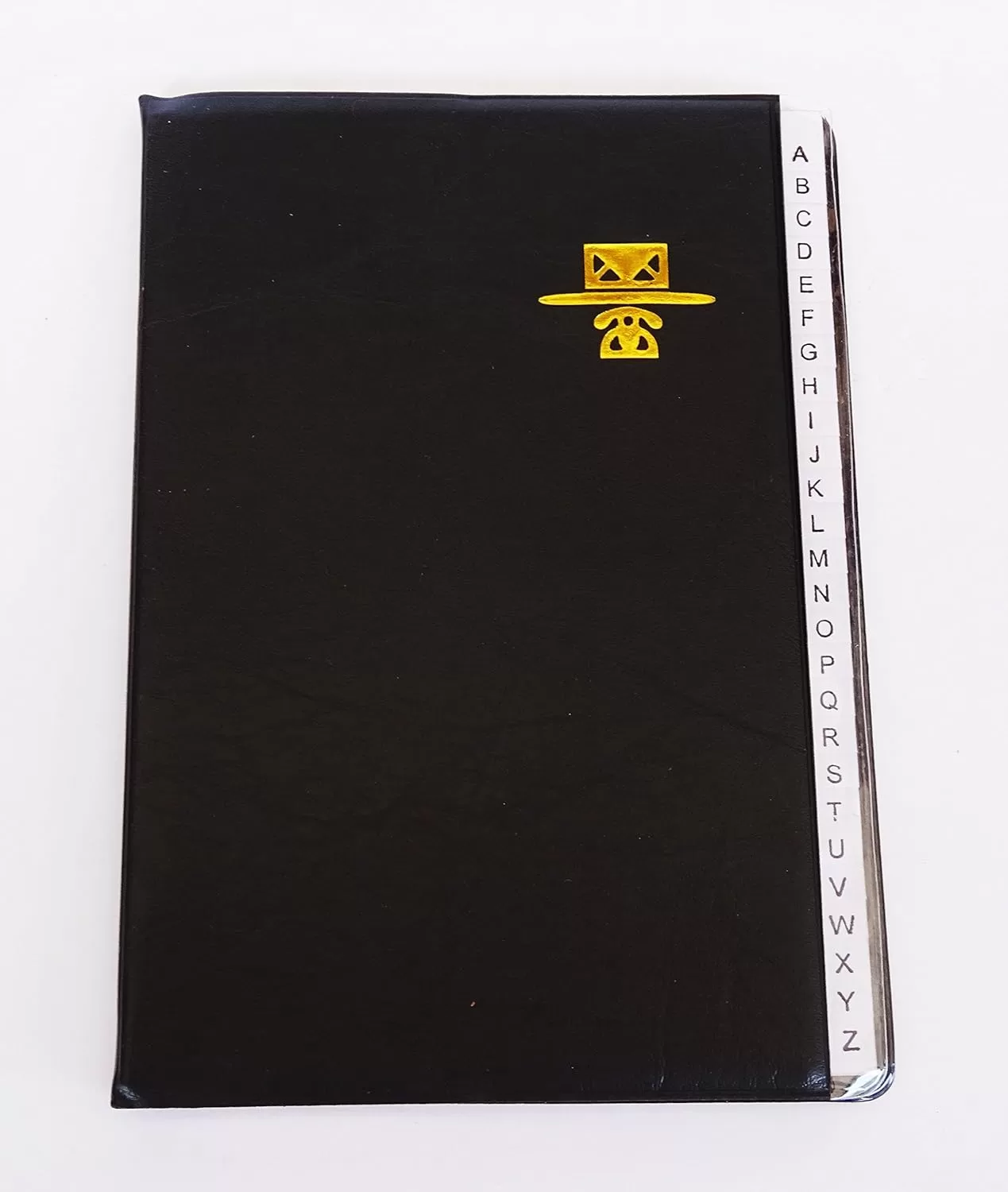
- Telephone Address & Birthday Book, 5 x 7 inch Metal Hardcover (Black)
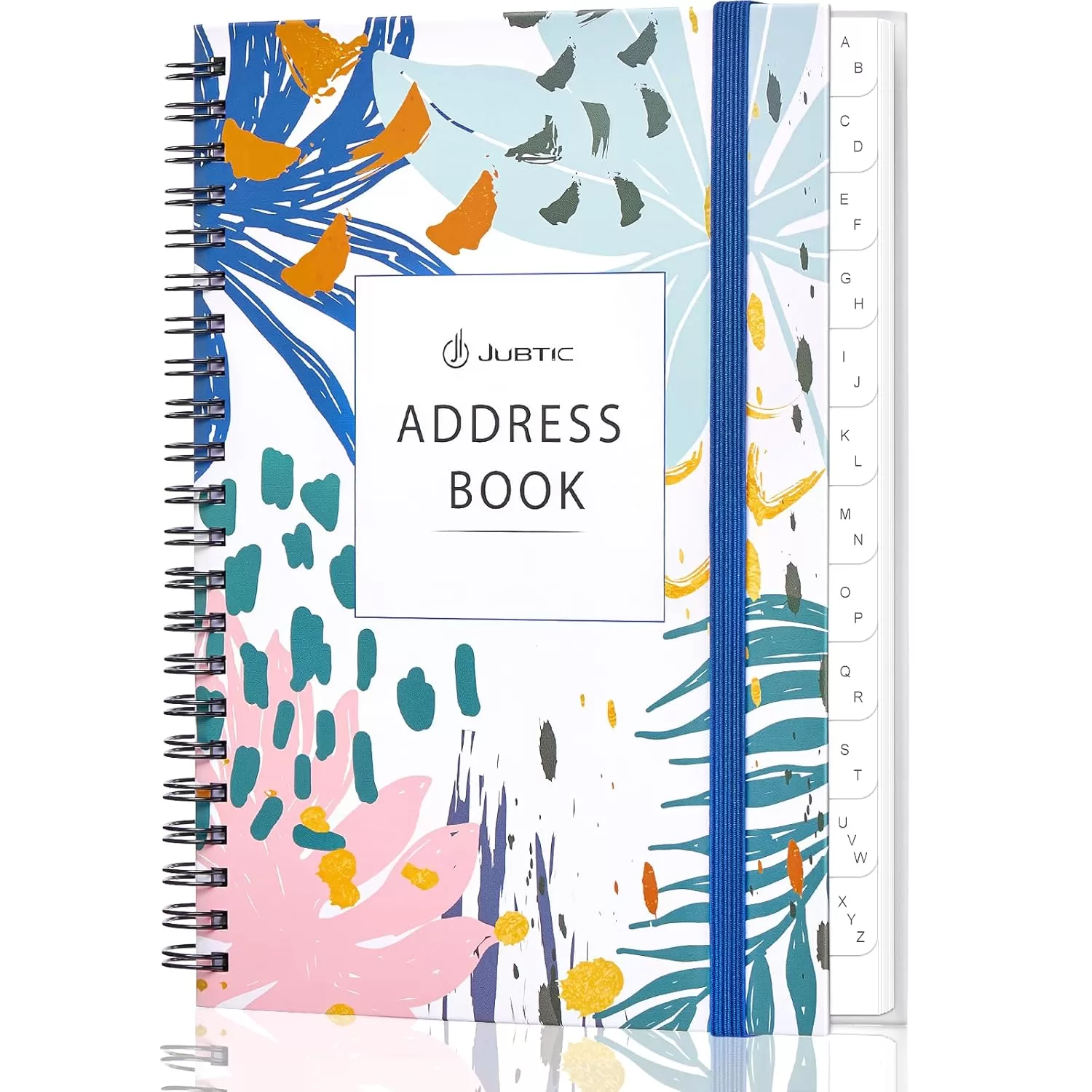
- JUBTIC Hardcover Spiral-Bound Address & Password Book, 5.2 x 7.7 inch
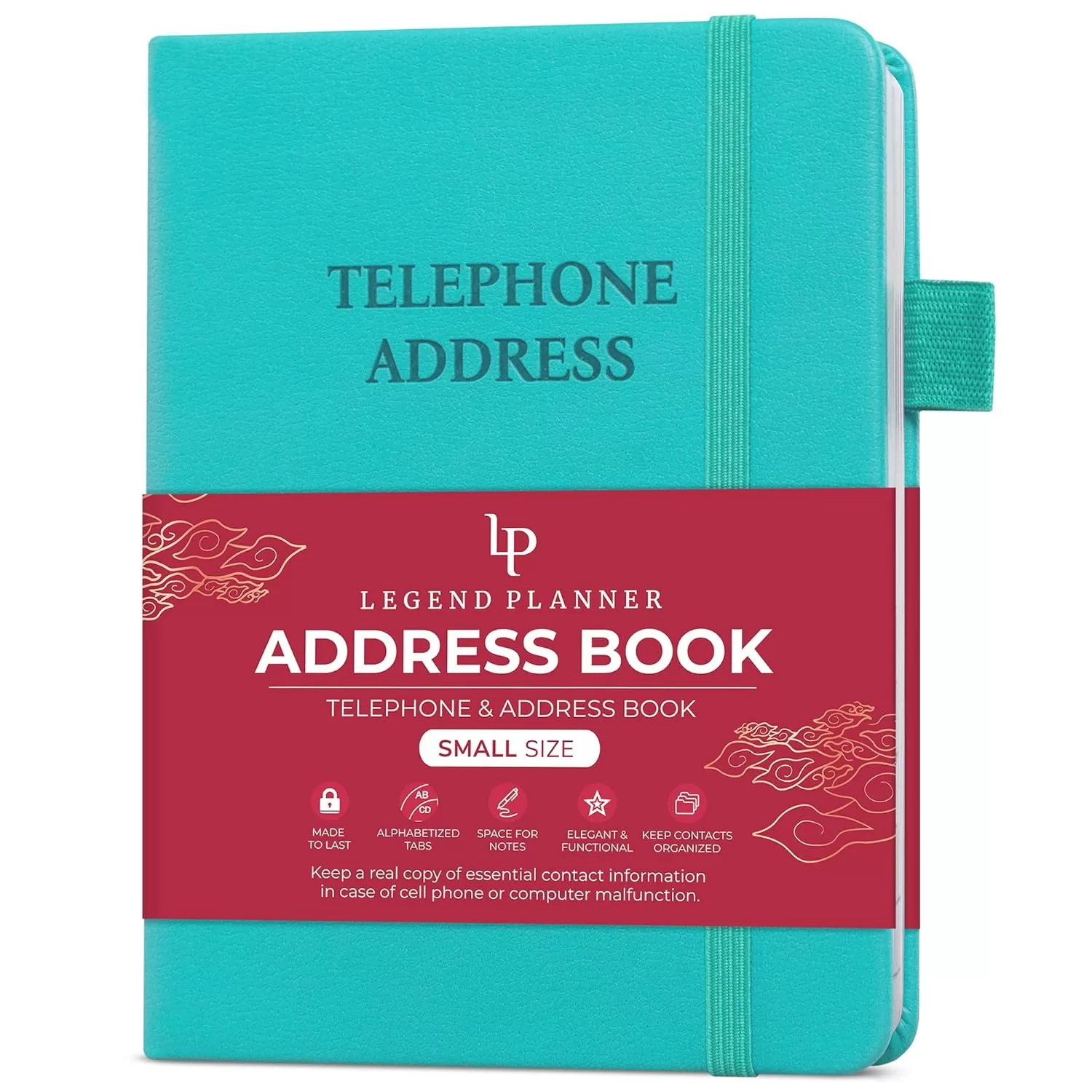
- Legend Planner Mini Address Book, Turquoise Softcover
- ADC Kamset Personal Phone & Address Book, 5 x 7 inch (Indian Brand)
Why offices in India are quietly keeping an address book on the desk
Talk to anyone who runs a five-to-twenty person office in India and you start to hear the same story. The phone-based contacts list is convenient until the moment it is not. Phones get lost. SIMs get swapped. An employee leaves and takes their personal phone with them, along with the numbers they collected while sitting at your desk. Cloud-synced CRM systems are great in theory, but during a power cut or a slow broadband day, nobody is logging in to a CRM.
An address book on the front desk solves all of this in one stroke. Anyone who works the desk can flip to the right tab, find the number, and dial. There is no login, no two-factor authentication, no paid seat licence. For Indian offices that run lean, a 5 by 7 inch hardcover address book in a drawer is the cheapest insurance policy you can buy against the next phone breakage or staff turnover.
There is also a quiet compliance angle. For accountants, lawyers, doctors and clinics, having client contact details sitting on a personal phone is increasingly awkward. Paper in a locked drawer is not on the network, is not in the cloud, and does not show up in a data-breach disclosure. Many of the best address books in India in this guide are picked with exactly this drawer-in-a-small-office use case in mind.
The other quiet pattern is generational. Senior professionals, especially partners at law firms, consulting partners, doctors over fifty, and family-business owners, still trust paper for high-stakes contact information. They will happily type a vendor invoice into a spreadsheet, then refuse to type their own client’s mobile number into a phone they cannot fully control. For these readers, the right address book is not a fallback. It is the primary system, and the phone exists only to dial the number that the book stores. If you are buying an address book for someone in this bracket, weight your choice toward the hardcover Nokingo metal pick or the ADC Kamset, both of which sit and stay on a desk.
How to choose the right address book in India
Before you click the orange button on any of the picks above, walk through the four buying decisions below. Get these right and the book you end up with will still be on your desk five years from now. Get them wrong and you will be back on Amazon India searching for the best address books in India again next quarter.
Pick the right size before anything else
Size is the single decision that dictates whether you actually use the book. The standard 5 by 7 inch hardcover, like the Nokingo metal pick or the ADC Kamset, is built to live in one place. It fits inside a regular office desk drawer, stands up on a shelf, and gives you enough page area to fit name, phone, mobile, email, address and a note. If the book is going to live on a desk and be used by more than one person, this is the right size.
Pocket-size books, like the Mead 4 by 3 inch vinyl pick or the Legend Planner mini, are built for the opposite use case. Sales staff, field engineers, doctors who do house calls, lawyers who travel to court, anyone who carries a small bag and needs the contacts list with them. These books fit inside a coat pocket, a kurta side-pocket, or a small handbag. The trade-off is page area: you can fit maybe two lines per contact, not six.
Get the binding right or the book falls apart
Cheap address books use glued binding. After six months of opening and closing on a busy desk, the spine cracks and pages start falling out. Avoid this. The two binding types that survive daily Indian-office use are sewn binding and spiral binding. Sewn binding holds the page block together with thread, like the Nokingo metal pick. Spiral binding, like on the JUBTIC pick, threads a metal coil through punched holes. Both lay flat under your hand when you write, and both survive years of handling.
Match the cover material to your office environment
If your office is air-conditioned and the book lives in a drawer, almost any cover material will work. If you are in a coastal city, a non-AC shop, or a clinic with open windows, humidity becomes a real factor. Metal hardcovers and laminated hardcovers resist moisture and spills better than softcovers. Soft vinyl, like on the Mead pick, is forgiving for daily carry but will scuff if you keep it loose in a bag with metal items.
Page count: match it to your turnover
Most 5 by 7 inch hardcover address books on Amazon India list between 200 and 500 contact slots, spread across alphabetical A to Z tabs. For a stable office that adds maybe ten new vendor and customer contacts per quarter, a 250 to 300 slot book gives you three to five years of headroom. For a sales-driven office that adds a hundred new leads a month, you want the higher end or you accept that you will be switching to a new book annually.
Decide if you want password storage in the same book
Two of our picks, the JUBTIC and the Legend Planner, combine address-book pages with password-storage pages. This is convenient for a home office where the same person owns the book and never lets it leave the desk. It is a bad idea for a regulated workplace where passwords have to stay locked separately from contacts. If you are buying for a clinic, a chartered accountant’s office, or a law firm, get a contacts-only book like the Nokingo metal pick and keep a separate password book in a separate locked drawer.
Address book size reference for India
Quick reference on the common sizes you will see on Amazon India and what they actually fit on a desk. Pick the size first and the binding second.
- Pocket (around 4 x 3 inch): Mead-style mini. Fits in a coat pocket, a kurta side-pocket, or a slim handbag. Best for field staff, sales reps, doctors doing house calls.
- Compact (around 5 x 4 inch): Slim hardcover. Fits in a laptop sleeve. Best as a personal backup book carried alongside a phone.
- Mini-large (around 5.2 x 7.7 inch): JUBTIC-style spiral hardcover. Fits in a small backpack pocket. Best for a one-person home office that travels occasionally.
- Standard desk (5 x 7 inch): Nokingo, ADC Kamset and most office books. Fits in a regular drawer. Best for front-desk, reception, accountant, lawyer.
- Large (around 6 x 9 inch): A4-adjacent. Sits open on a desk like a logbook. Best for receptionists in a high-volume office where the book is always open.
If you are buying address books in India for a multi-desk office, mixing the formats is usually smarter than buying five identical ones. One standard desk book per workstation, one large book at the receptionist, and pocket books for anyone who leaves the building during the day.
Address book vs digital alternatives
Worth saying out loud: a physical address book is not in competition with your phone. It is a backup, a single point of failure removal. Below is a short comparison with the three digital alternatives you might otherwise consider.
Phone contacts list
Free, instant search, syncs to email. Loses everything if the phone is stolen, broken or wiped. Locked to one user. Cannot be handed across a desk to a colleague. The address book complements it: keep the phone for daily dialling, keep the book for the recovery scenario.
Cloud CRM (HubSpot, Zoho, Salesforce)
Great for sales pipelines and team-wide visibility. Costs per-seat per-month forever. Useless when broadband is down or during a power cut. Overkill for the kind of office that needs to look up a plumber, a courier guy, or a vendor’s accounts payable contact. For that use case, the book wins on cost and access speed.
Personal information manager apps (Notion, Apple Contacts, Google Contacts)
A personal information manager like Notion or Apple Contacts is fine for individual use, but it locks the data inside one cloud account that one person owns. The address book is brand-agnostic, ownership-agnostic and login-free. When the office hands change, the book stays with the desk.
Where to buy address books in India
Amazon India is the deepest single source for address books with English-language reviews, and every pick in this guide links directly to its Amazon.in listing. Two other channels are worth considering for specific cases.
- Amazon.in: Widest selection, fastest delivery in tier-1 and tier-2 cities, transparent review counts. Best default option for all five picks.
- Flipkart: Usually carries the Indian-brand books like ADC Kamset at similar prices. Worth checking only if your account has a Flipkart-specific discount.
- Local stationery shops: A small basti or market shop will stock domestic brands like Anupam, Sundaram and Camlin. Best for buying in person if you want to see the binding and page quality before paying.
- Wholesale stationery markets (Sadar Bazar in Delhi, Chickpet in Bangalore, Crawford Market in Mumbai): Best for bulk buys when you want to outfit a multi-desk office at twenty to thirty percent off MRP.
For most readers reading this guide, Amazon India is the right call. The picks above are all in-stock today, ship in two to four business days nationwide, and arrive with returnable Amazon packaging if anything is wrong.
Setting up your address book on day one
Once the book arrives, do not just toss it in a drawer. A few minutes of setup makes the difference between a book that becomes the office contacts source of truth and a book that sits empty for six months.
Migrate your top 50 contacts first
Open your phone contacts and pull out the fifty contacts you actually call or email each month. Vendors, customers, the accountant, the courier guy, the broadband helpline, the building maintenance contact. Write each one into the address book in the correct alphabetical tab. Resist the urge to migrate every contact you have, since half of them are dormant phone numbers from people you have not spoken to in years.
Write in pencil for the first two weeks
Numbers change. Vendors change. Designations change. Use a pencil or an erasable pen for the first two weeks while you find the right layout per entry. Once you settle into a pattern (name and designation on line one, mobile on line two, alternate phone on line three, email on line four, notes on line five), switch to a quick-drying gel pen.
Pick a colour code for entry types
Most reception desks colour-code their address book entries. Black or blue ink for primary contacts. Red ink for do-not-call entries or contacts on hold. Green ink for vendors. This works in any 5 by 7 inch hardcover. The Nokingo metal pick and the JUBTIC spiral pick both have enough vertical space per entry to make colour-coding readable.
Decide who has signing rights
In a small office, one or two people own the address book and write new entries into it. Everyone else asks before writing. This prevents the book from becoming a graffiti wall of misspelled vendor names, half-finished phone numbers, and entries crossed out in different colours. Write the owner’s name on the inside front cover. When that person leaves, transfer ownership formally and update the inside cover.
Care, cleaning and when to replace your address book
Address books are not consumables in the way pens and sticky notes are. With basic care, a 5 by 7 inch hardcover on a desk should last five to seven years before you replace it. The replacement trigger is page exhaustion, not cover damage.
- Store closed when not in use: An open address book on an open desk attracts dust, fingerprints and the occasional spilled coffee.
- Use a quick-drying pen, not a fountain pen: In humid Indian cities (Mumbai, Chennai, Kochi, Kolkata), fountain pen ink takes 20 to 60 seconds to dry and will smudge if the book is closed too quickly.
- Wipe the cover monthly: A dry microfibre cloth across the cover and spine keeps dust from grinding into the binding. Skip wet wipes, since the moisture seeps along the spine.
- Keep it out of direct sunlight: UV fades both the cover and the ink. A desk drawer or a closed shelf adds years to the book’s useful life.
- Replace the book when the last tab fills: If section M or section R has run out and you are writing in margins, the book is full. Migrate to a new one, do not squeeze more entries in.
When you do replace, keep the old book for one year before discarding. You will refer back to old entries more often than you expect, especially for vendor and accountant history.
How long should one of these books actually last?
Realistically, on a single-person desk, a 5 by 7 inch hardcover address book in India lasts five to seven years before the page block fills. A pocket book like the Mead or the Legend Planner has tighter spacing and tends to fill in two to three years if you carry it daily. Spiral-bound hardcovers like the JUBTIC sit in the middle, since the spiral coil gives you margin space for follow-up notes on existing entries. Plan one replacement cycle every three years if you are running an active sales desk, every five years for a steady-state office desk, and every seven years for a partner or senior-professional desk where the entries are mostly long-term clients.
Common mistakes to avoid with an office address book
Three patterns kill an otherwise good address book setup. Watch for these and you will get years of use out of any of the picks above.
- Letting everyone write in it: Five different handwritings in five different pens turns the book into chaos within months. Pick one or two owners. Everyone else dictates a new entry to the owner.
- Skipping the alphabetical tab discipline: If a contact named Anand goes under section C because the next blank line was there, you will never find Anand again. Always use the tab the surname lands on. Skip the line, do not skip the tab.
- Writing nicknames without legal names: ‘Boss’, ‘Plumber guy’, ‘Aunty 2nd floor’. When the next person inherits the desk, none of this means anything. Always write the full legal first name and surname as the index entry.
- Mixing personal and office contacts in the same book: If the office address book has your dentist, your dhobi and your dating-app exes in it, it is now a personal item and cannot be left at the desk when you leave the job. Keep them separate.
- Forgetting the inside front cover: Always write the office name, the owner’s name and a return-to phone number on the inside front cover. If the book is lost in transit between offices, this is what gets it back.
Final thoughts: picking the best address book in India for your use case
If you only read this far and want one recommendation: get the 5 x 7 inch metal hardcover address book for a front-desk or any single-location office. Two thousand-plus Amazon India ratings, sturdy metal cover, sewn binding, dedicated birthday section. It is the closest thing to a default.
If you carry your contacts around with you, go with the Mead mini vinyl pocket book or the Legend Planner mini turquoise. The Mead is the cheapest sturdy-enough pocket book on the listing. The Legend Planner is the gift-quality upgrade for the same use case.
If you want one combined book for contacts plus passwords for a home office, go with the JUBTIC spiral hardcover. It is the highest-rated combination book on Amazon India and the spiral binding lays flat the moment you open it.
If you want to stick with an Indian-brand stationery option, the ADC Kamset 5 x 7 inch personal phone and address book gives you a hardcover at a price that is well under the imports.
Frequently Asked Questions
Are address books still useful when everyone has a smartphone?
Yes. A physical address book is your fallback when a phone dies, a number gets accidentally deleted, or you hand the desk over to a temporary replacement who does not have your phone. It is also legally safer for storing client contacts in regulated workplaces, since paper sitting in a locked drawer is not on the network and is not a data-breach risk.
What is the best size for an office address book in India?
For a front desk or a finance team that sits at one place, the 5 x 7 inch hardcover is the standard. It fits in a drawer, holds 300 to 500 entries, and stands up to daily handling. For sales staff and field engineers who carry it around, a 4 x 3 inch pocket book in vinyl or softcover is easier to live with.
How many contacts can a typical 5 x 7 inch address book hold?
Most 5 x 7 inch hardcover books on Amazon India list between 250 and 500 contacts, depending on how many fields you fill in per entry. A book with 200 to 250 pages is a safe target for a small office of 5 to 15 people, with room left over for new vendor and customer entries for two to three years.
What kind of binding lasts longest with daily office use?
Sewn binding and hardcover spiral binding both outlast glued binding by a wide margin. Sewn books like the metal hardcover pick above keep the page block intact even after years of opening and closing. Spiral books like the JUBTIC pick lay flat for writing and survive being thrown into a laptop bag, at the cost of a slightly bulkier spine.
How do I protect an address book from humidity and ink smudging in India?
Store the book in a closed desk drawer or a closed cupboard, not on an open shelf. Use a quick-drying ballpoint or gel pen for entries, never a fountain pen with wet ink, in a humid coastal city. Acid-free or cream-coloured paper resists yellowing better than bright white pulp paper. If your office has open windows during the monsoon, slide the book inside a thin polythene sleeve.
Should I get a separate password book, or one address book with combined password storage?
If you work in a regulated industry where passwords cannot leave the office, keep them in a separate password book locked in a drawer, with a clear policy on who has the key. For a home office, a combination address-and-password book like the JUBTIC pick is fine, because you keep the same book on your desk all day and it stays under your control.
More guides on the way: We are building out office stationery coverage on reviewguide.in right now. Check back soon for the best planners, notebooks, pen sets and desk organizers in India.
