
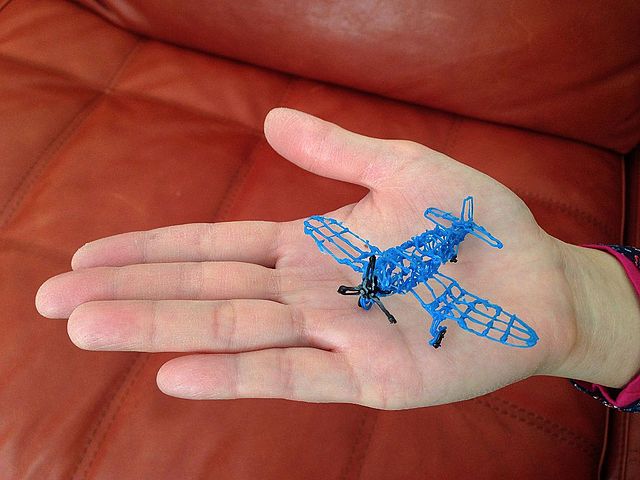
Unleash your inner artist (or engineer!) with the magic of a 3D Printing Pen.
Alright, let’s grab your attention with a relatable story!
Remember that time you were stuck for a birthday gift for your little niece or nephew? You wanted something cool, something that would spark their imagination, but forget another stuffed animal collecting dust in the corner.
Well, fear not, my fellow gift-givers (or just plain curious tech enthusiasts!), because this magical little invention called a 3D printing pen might just be the answer to your prayers.
We’ve all seen those mind-blowing 3D printers churning out everything from phone cases to mini dinosaurs, but what if you could hold that power in your hand? That’s where 3D printing pens come in. They’re basically like hot glue guns, but instead of globs of messy adhesive, they squirt out heated plastic that hardens into cool 3D creations – think mini cars, funky jewelry, or even tiny versions of yourself.
Now, before you rush out and buy the first flashy pen you see, there are a few things to consider. Don’t worry, by the end of this post, you’ll be a 3D printing pen pro, ready to unleash your inner artist (or engineer, or architect – the possibilities are endless!). We’ll explore different types of pens, features to look for, safety tips (because melted plastic can be a real party pooper), and even some cool ideas to get you started. So buckle up, because we’re about to dive into the wonderful world of 3D printing pens!
1. Magicwand® 3D Printing Pen
Frustrated with your 3D pen constantly jamming up like a toddler with too much fruit roll-up? Say goodbye to those creativity-killing clogs!
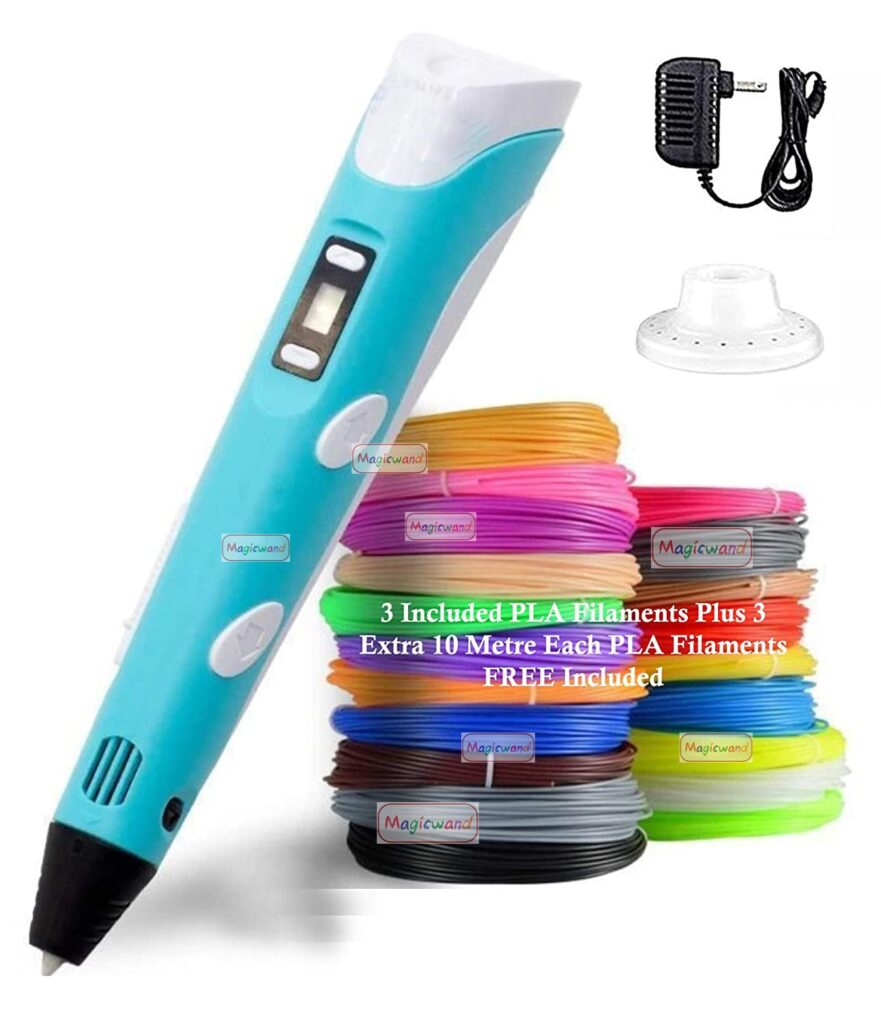
The Magicwand 3D Drawing Pen boasts an Aircraft-Grade Ceramic nozzle that can handle the heat (literally). Imagine this: a super smooth inner lining that practically repels filament, thanks to its advanced technology.
Plus, a high-performance motor ensures a steady flow of plastic, letting your imagination run wild without pesky interruptions.
Pros
Cons
Speaking of letting your imagination run wild, the Magicwand is all about options. It’s like a choose-your-own-adventure for creative expression! Want to work with classic PLA or durable ABS filaments? No problem, the Magicwand handles them both.
Feeling indecisive about speed? No sweat, the adjustable settings and handy LCD screen make it easy to find the perfect flow for your project. And to get you started, the Magicwand comes with a treasure trove of goodies: a whopping 40 meters of filament in 6 different colors, a comfy pen holder, and even a power adapter so you can create masterpieces anywhere!
2. IDRAWING 3D Pen
The Idrawing 3D Print Pen isn’t just for the kiddos (although it makes an amazing gift for those little Picassos in training!).
This nifty gadget is a blast for grown-ups too, fostering creativity and those all-important spatial thinking skills. Imagine cozy nights in, the whole family huddled around the table, whipping up colorful 3D masterpieces – quality time at its finest!
Pros
Cons
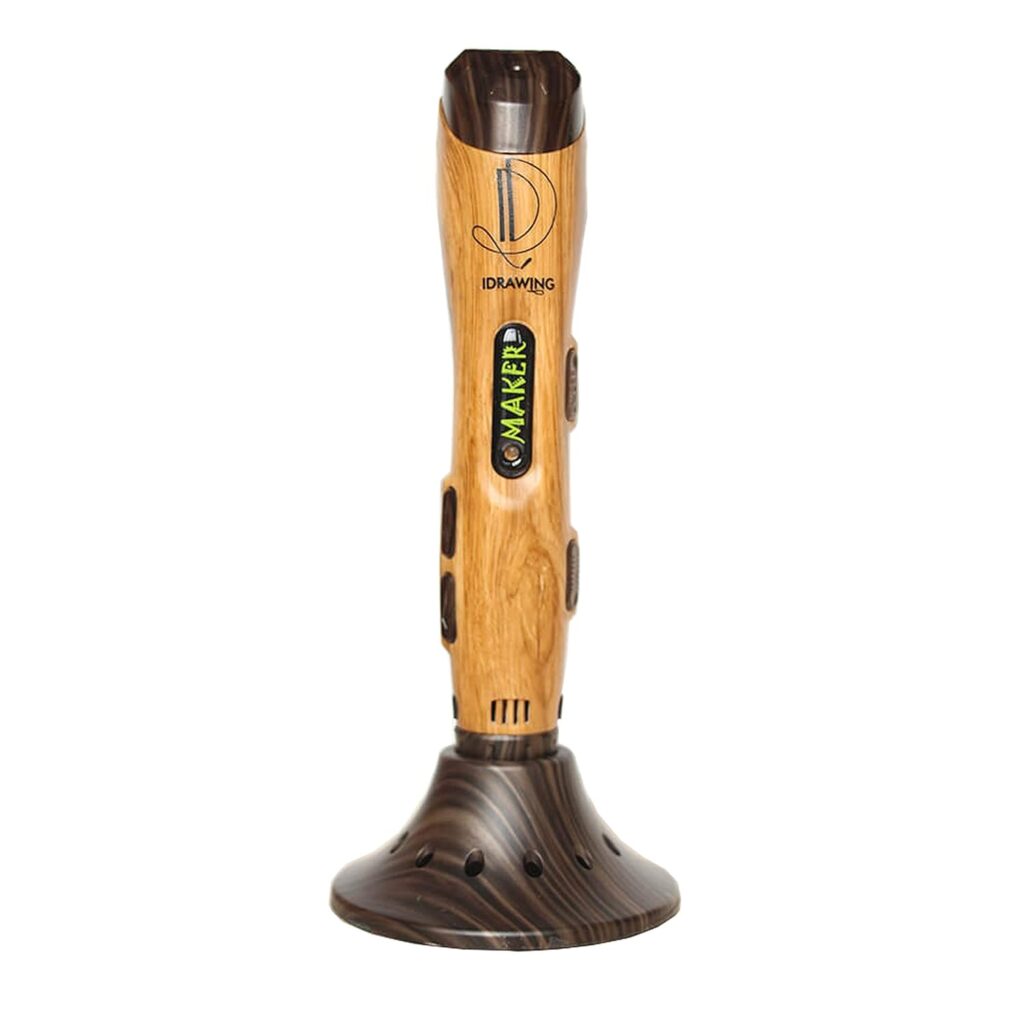
But what exactly comes in this treasure chest of artistic potential? Let’s break it down. Inside the box, you’ll find the star of the show, the Idrawing ROOT Play 3D Pen itself, along with a handy pen holder to keep it safe. There’s also a 1.5m USB Cable to get you hooked up (though the USB Power Adapter is sold separately, so keep an eye out for that).
To get you started creating right away, Idrawing throws in two special 15g (5m) Wood Filament Packs. That’s right, we’re talking filament with real wood in it – how cool is that? To top it all off, a Quick Start Guide is included, making using your new 3D pen a breeze.
We won’t bombard you with the nitty-gritty instructions here (you can find those in the handy guide), but let’s just say using your Idrawing 3D Pen is about as simple as using a regular pen – with a little extra heat, of course! Just pop in the filament, let it warm up (the light will turn from red to blue to let you know it’s ready), and unleash your inner artist!
The pen even has adjustable speeds, so you can find the perfect flow for your project. Now that’s what we call user-friendly!
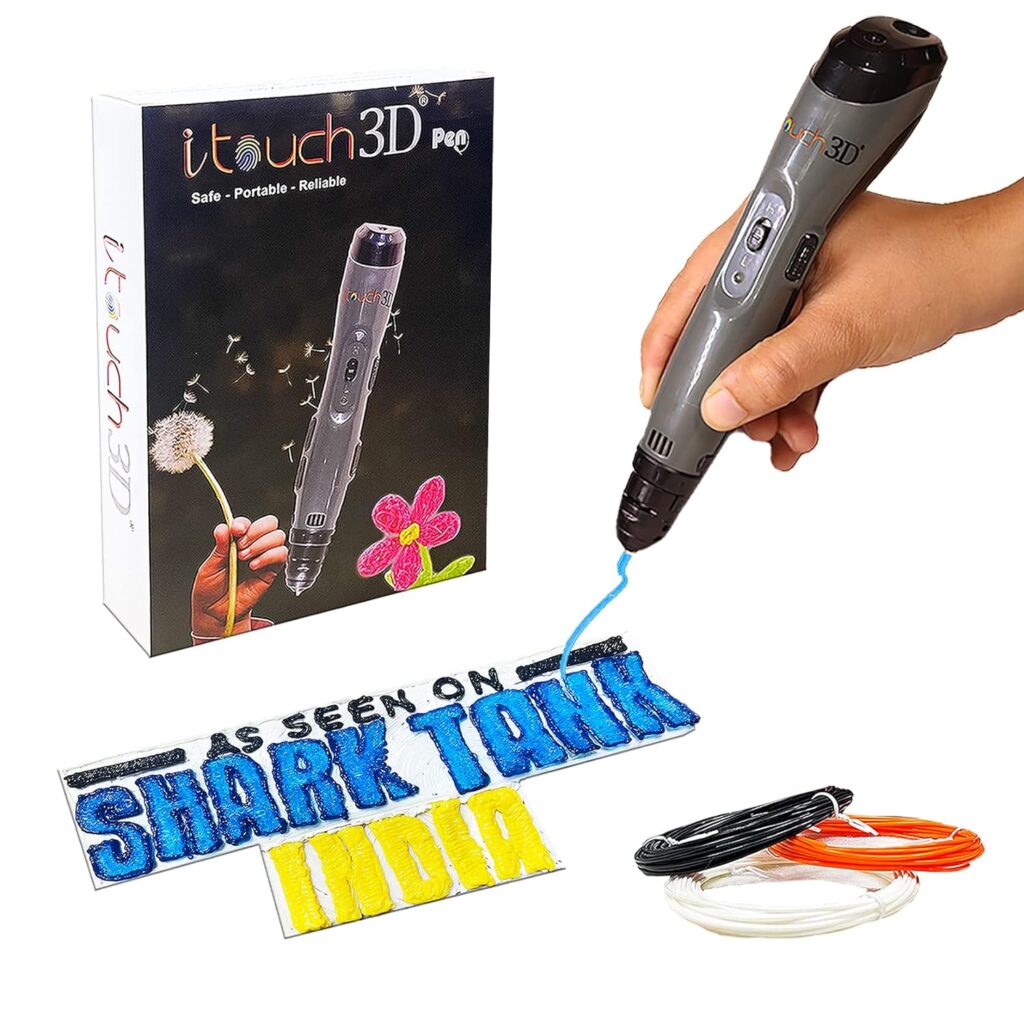
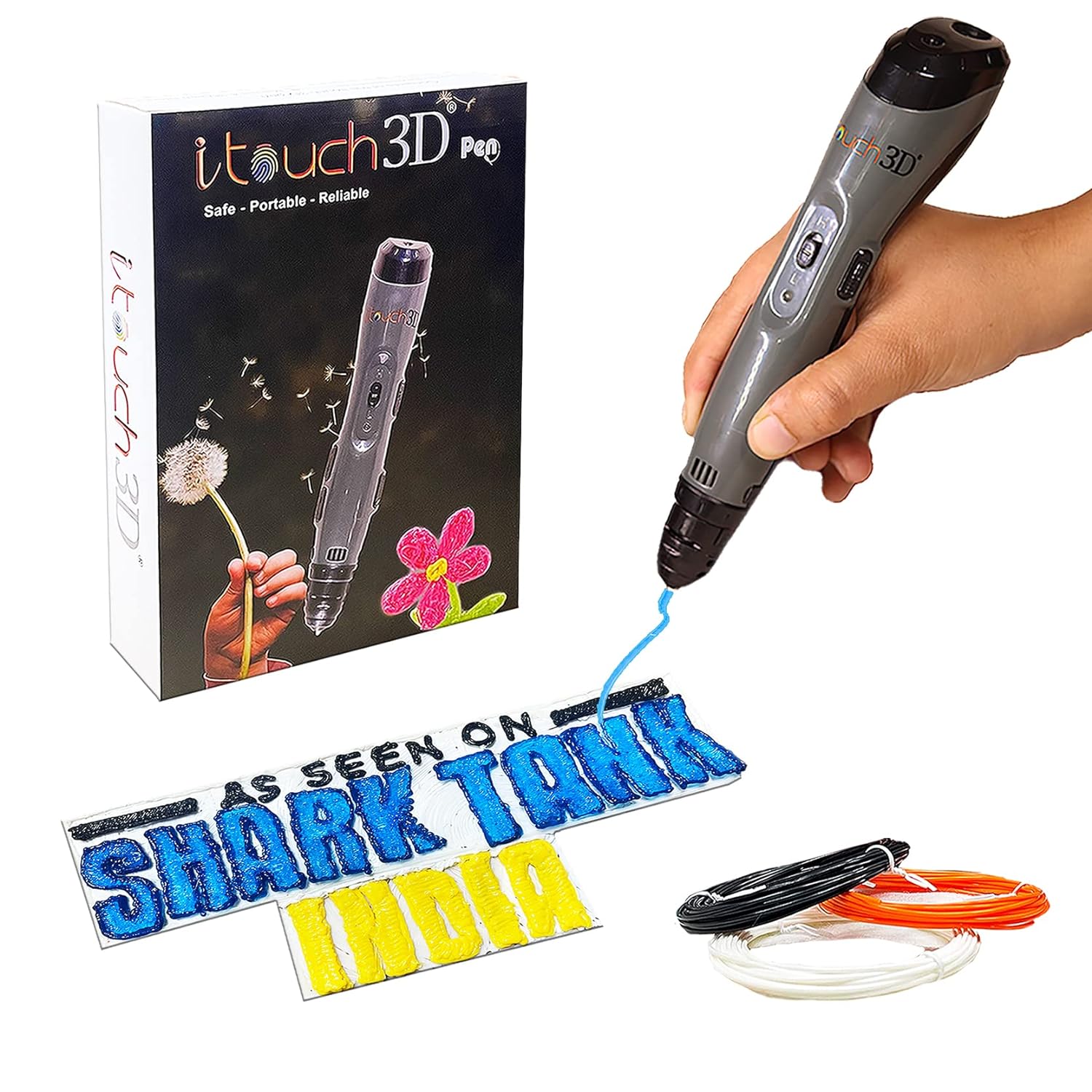
3. WOL3D ITouch 3D Pen
Safety first, especially when it comes to little Picassos! The ITouch 3D Printing Pen boasts a unique consumable formula design, making it super safe for kids. Plus, with a jam-free design and an ergonomic grip, you can create for hours without discomfort.
Who knew unleashing your inner artist could be so comfortable?
Pros
Cons
Now, we know what you’re thinking: “This sounds amazing, but is it the best 3D Pen out there?” Well, let’s just say the competition is sweating. This feature-packed pen comes with everything you need to get started, including a protective screen, three spools of 5-meter filament, stencils to help you get creative, a USB cable for power, a user guide, an adapter, and even a handy pen holder.
We told you it was loaded! Oh, and while the color you get might be a surprise, rest assured it’ll be awesome.
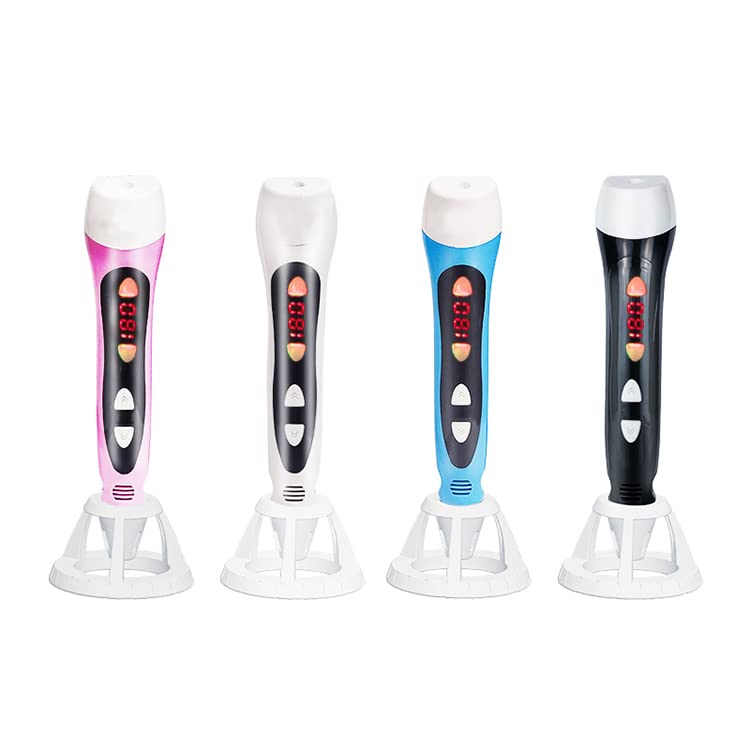
4. Omount 3D Pen
The Omount 3D Pen is here to turn your wildest imagination into 3D reality. This isn’t just a pen, it’s a portal to a world of creative possibilities – think crafting, sculpting, even fixing little household mishaps – all in glorious 3D!
Pros
Cons
Looking to ditch the screens and bond with the fam? The Omount 3D Pen is your secret weapon for quality time fun. Imagine whipping up personalized gifts, quirky decorations, or even tackling those little DIY projects together. Laughter, creativity, and a sense of accomplishment guaranteed!
And the best part? Using the Omount 3D Pen is a breeze, even for little Picassos. Just plug it in, let it heat up (it’s super safe for kids!), and with the included PLA plastic filament and handy step-by-step manual, you’ll be creating masterpieces in no time.
Plus, the pen has adjustable speed and temperature settings, so you can customize your experience for different projects. Now that’s what we call user-friendly!
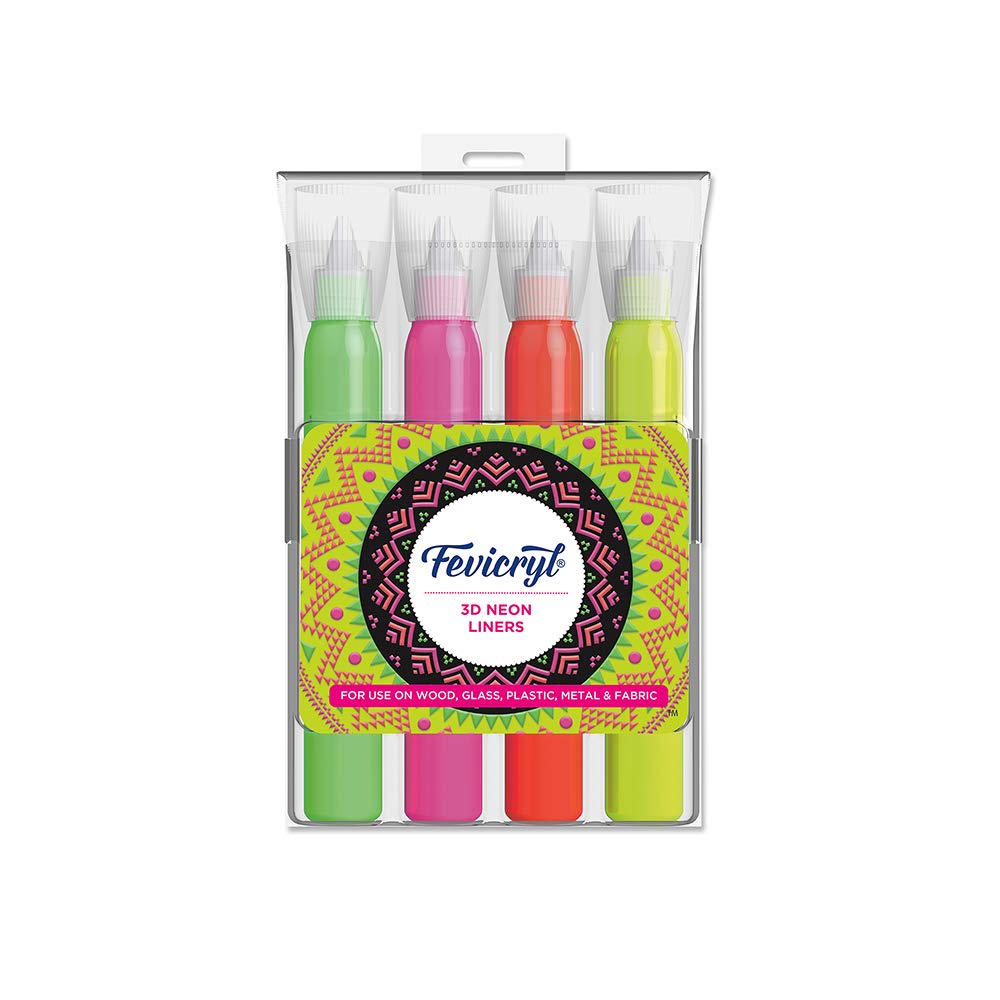
5. Fevicryl 3D Neon Liners
Up your crafting game with a splash of neon awesomeness! The Fevicryl 3D Neon Liners are here to add a whole new dimension (literally!) to your artistic endeavors.
Forget boring old markers – these bad boys boast four super-sleek shades of neon yellow, orange, green, and pink, ready to make your creations pop off the page (or whatever your canvas may be).
Pros
Cons
Not only are these liners vibrant and eye-catching, they’re also super safe to use. The non-toxic formula means you can unleash your inner artist without worry, and the soft tubes make for comfortable, mess-free application.
But what exactly can you do with these neon wonders? The possibilities are endless! Think outlining stunning designs, adding 3D details to your artwork, or even creating funky doodles that practically vibrate with energy. Fevicryl 3D Neon Liners are perfect for all skill levels, so whether you’re a seasoned crafter or just starting out, get ready to add some serious neon flair to your projects!
Buyers Guide for 3D Printing Pens in India
1. Finding Your Perfect Fit: Who Needs a 3D Printing Pen?
3D printing pens are incredibly versatile, making them ideal for a wide range of people:
- Creative Kids: Spark your child’s imagination and spatial thinking skills with a safe and easy-to-use 3D pen. They can create everything from whimsical figurines to personalized gifts for friends and family.
- Art Enthusiasts: Take your artwork to the next level by adding 3D elements to paintings, drawings, or mixed-media creations. 3D pens are perfect for outlining designs, adding texture, or crafting unique embellishments.
- DIY Mavens: Fix small household items, create custom parts, or personalize everyday objects with a 3D pen. It’s the ultimate tool for crafty problem-solvers!
- Tech Geeks: Embrace the cutting edge of technology with a 3D pen. Experiment with different types of filament, explore 3D modeling software, and push the boundaries of your creativity.
- Educators: Make learning fun and engaging with 3D pens! Teachers can use them to create 3D models for science projects, visualize historical structures in geography lessons, or bring geometric shapes to life in math class.
2. The Nitty-Gritty: Key Features to Consider
Before you dive headfirst into the world of 3D pen shopping, here are some essential features to keep in mind:
- Safety First: Especially if you’re buying a pen for a child, safety is paramount. Look for pens with features like automatic shut-off, adjustable temperature controls, and non-toxic filament.
- Ease of Use: If you’re a beginner, opt for a 3D pen that’s simple to operate. Features like single-button control, adjustable speed settings, and a comfortable grip will make learning the ropes a breeze.
- Filament Compatibility: 3D pens use different types of filament, each with its own properties. PLA filament is the most common choice; it’s biodegradable, safe for kids, and comes in a wide variety of colors. ABS filament is more durable but requires higher printing temperatures.
- Temperature Control: Having control over the printing temperature allows you to work with different types of filament and achieve different effects.
- Speed Settings: Adjustable speed settings allow you to fine-tune your creations. Slower speeds are ideal for intricate details, while faster speeds are better for filling larger areas.
- Additional Features: Some 3D pens come with bonus features like LCD screens for monitoring temperature and speed, stencils to help you get started, or even built-in rechargeable batteries for on-the-go creativity.
3. The Final Touches: Essential Tips for Using Your 3D Pen
So you’ve found the perfect 3D pen – now what? Here are a few tips to ensure a smooth and successful creative journey:
- Start Simple: Don’t try to build a spaceship on your first go! Begin with basic shapes and lines to get comfortable with using the pen.
- Practice Makes Perfect: The more you use your 3D pen, the better you’ll become at controlling the filament flow and creating intricate designs.
- Use a Template: Templates are a great way to get started, especially for beginners. They provide a guide for your creations and help you build confidence.
- Experiment with Filament: Once you’ve mastered the basics, explore different types of filament to add variety and texture to your creations.
- Embrace the Mistakes: Don’t be discouraged by mishaps. Learning from mistakes is part of the creative process! Just heat up your pen and have another go.
- Most Importantly, Have Fun! 3D printing pens are all about unleashing your creativity and exploring the possibilities. So relax, have fun, and let your imagination run wild!
4. Maintenance Tips for 3D printing pens
Now that you’ve embarked on your 3D printing adventure, proper maintenance is key to keeping your pen functioning smoothly and ensuring countless hours of creative expression. Here are some essential tips:
- Cleaning the Nozzle: This is the most crucial step in maintaining your 3D pen. Over time, residual filament can build up in the nozzle, leading to clogs and uneven extrusion. Here’s how to clean it:
- After Use: Once you’re finished creating, allow the pen to cool completely. Then, with the pen unplugged, unload the filament by pressing the unload button (if your pen has one) or by gently pulling it out while holding down the feed button.
- Heat Up: Plug in the pen and turn it on. Let it heat up to the recommended temperature for the type of filament you were using.
- Cleaning Method 1 (Cold Pull): Once heated, carefully pull out any remaining filament while holding down the feed button. This “cold pull” method can remove small clogs.
- Cleaning Method 2 (Cleaning Filament): For more stubborn clogs, consider using a cleaning filament specifically designed for 3D pens. These filaments often contain a cleaning agent that helps break down residue. Follow the manufacturer’s instructions for using cleaning filament.
- Never use sharp objects like needles or wires to clean the nozzle, as this can damage the delicate tip.
- Storing Your Pen: When not in use, store your pen in a cool, dry place away from direct sunlight. Leaving it in a hot environment can damage the internal components. Consider using the pen holder that might have come with your pen for safekeeping.
- Nozzle Maintenance: Even with proper cleaning, the nozzle may wear down over time, especially if you use abrasive filaments. If you notice a decrease in performance, such as uneven extrusion or difficulty feeding filament, it might be time to replace the nozzle. Replacement nozzles are usually readily available from the manufacturer of your pen.
- Regular Inspection: Take a few minutes every now and then to visually inspect your pen for any signs of damage, such as loose wires or cracks in the casing. If you notice anything concerning, stop using the pen and contact the manufacturer for assistance.
By following these simple maintenance tips, you can ensure your 3D printing pen stays in top condition, allowing you to create amazing 3D masterpieces for years to come!
5. Conclusion
So there you have it! With this comprehensive guide in your back pocket, you’re well on your way to becoming a 3D printing pro. Whether you’re a budding artist, a tech enthusiast, or simply looking for a fun and engaging way to unleash your creativity, 3D printing pens offer endless possibilities.
Remember, the key is to find the pen that best suits your needs and skill level, embrace the learning process, and most importantly, have fun! So get ready to ditch the flat screen and dive headfirst into the exciting world of 3D creation – the only limit is your imagination!
FAQ
Are 3D printing pens safe for kids?
Yes, many 3D printing pens are safe for kids, especially those designed with them in mind. Look for features like automatic shut-off, adjustable temperature controls, and non-toxic filament. It’s always best to supervise younger children while they use a 3D pen.
What kind of filament is safe for kids?
PLA filament is the safest and most common choice for kids. It’s biodegradable, non-toxic, and melts at a lower temperature compared to other filaments.
What can I create with a 3D printing pen?
The possibilities are endless! You can create 3D models, jewelry, sculptures, figurines, decorations, add details to existing objects, and much more.
What types of filament can I use with a 3D pen?
PLA is the most common and beginner-friendly option. ABS filament is more durable but requires higher printing temperatures. Other specialty filaments like wood or metal composites exist as well.
How long does it take for filament to dry out?
Most filament won’t dry out significantly if stored properly in a cool, dry place. However, extended exposure to moisture can affect its quality.
How do I use a 3D printing pen?
It’s generally quite simple. Load the filament, heat up the pen to the recommended temperature, and extrude the filament by pressing a button while guiding the pen in your desired 3D pattern.
What are some tips for beginners using a 3D pen?
Start with simple shapes and lines to get comfortable with the pen. Use a template for guidance. Practice makes perfect! Don’t be discouraged by mistakes, just heat up and try again.
How do I fix a clog in my 3D pen?
The most common solution is a “cold pull.” Once the pen cools, unload the filament and then heat it up again. Carefully pull out any remaining filament while holding down the feed button. Consider using a cleaning filament for stubborn clogs.
What features should I look for in a 3D printing pen?
For beginners, consider ease of use with features like single-button control and adjustable speed settings. Safety features like auto shut-off and adjustable temperature control are important. Think about the type of filament you want to use and if compatibility is mentioned.
What are some popular 3D printing pen brands in India?
Fevicryl, Idrawing, Magicwand, Omount, Robotronics, SunRobotics, 3Idea Technology, Wonder, and FRISTA DESIGN are some popular choices.
How do I clean a 3D printing pen?
The most crucial step is cleaning the nozzle regularly. After use, let the pen cool, unload the filament, and then perform a cold pull (explained earlier) when heated. Avoid using sharp objects to clean the nozzle.
How often should I clean my 3D printing pen?
Clean the nozzle after each use to prevent clogs.
Do I need a computer to use a 3D printing pen?
No, 3D printing pens are standalone tools. However, some advanced models might use computer software for creating 3D models for printing.
Where can I buy filament for my 3D pen?
Filament can be purchased online from various retailers or offline from hobby stores and electronics shops.
What are some resources for learning more about 3D printing pens?
Many online resources offer tutorials, project ideas, and troubleshooting tips for 3D printing pens. The manufacturer’s website might also have helpful information.
My filament won’t feed properly. What’s wrong?
There could be several reasons. The filament might be jammed, the temperature might be incorrect, or the nozzle might need cleaning. Check your user manual for troubleshooting steps.
The filament comes out in blobs instead of a smooth line. What can I do?
This could be due to incorrect temperature settings. Lower the temperature slightly and see if it improves.
My 3D creations are very fragile. How can I make them stronger?
Using thicker filament and slower printing speeds can help create more robust objects.
Can I use a 3D printing pen to repair objects?
Yes, you can use a 3D printing pen for small repairs! PLA filament can “weld” together broken pieces of plastic, while ABS filament is ideal for fixing sturdier objects. However, the success depends on the type of plastic the object is made of and the severity of the break.
Can I create functional objects with a 3D printing pen?
While 3D printing pens are fantastic for creating artistic models and decorative pieces, they might not be suitable for functional objects that require high strength or complex moving parts. For such applications, consider a traditional 3D printer.
