
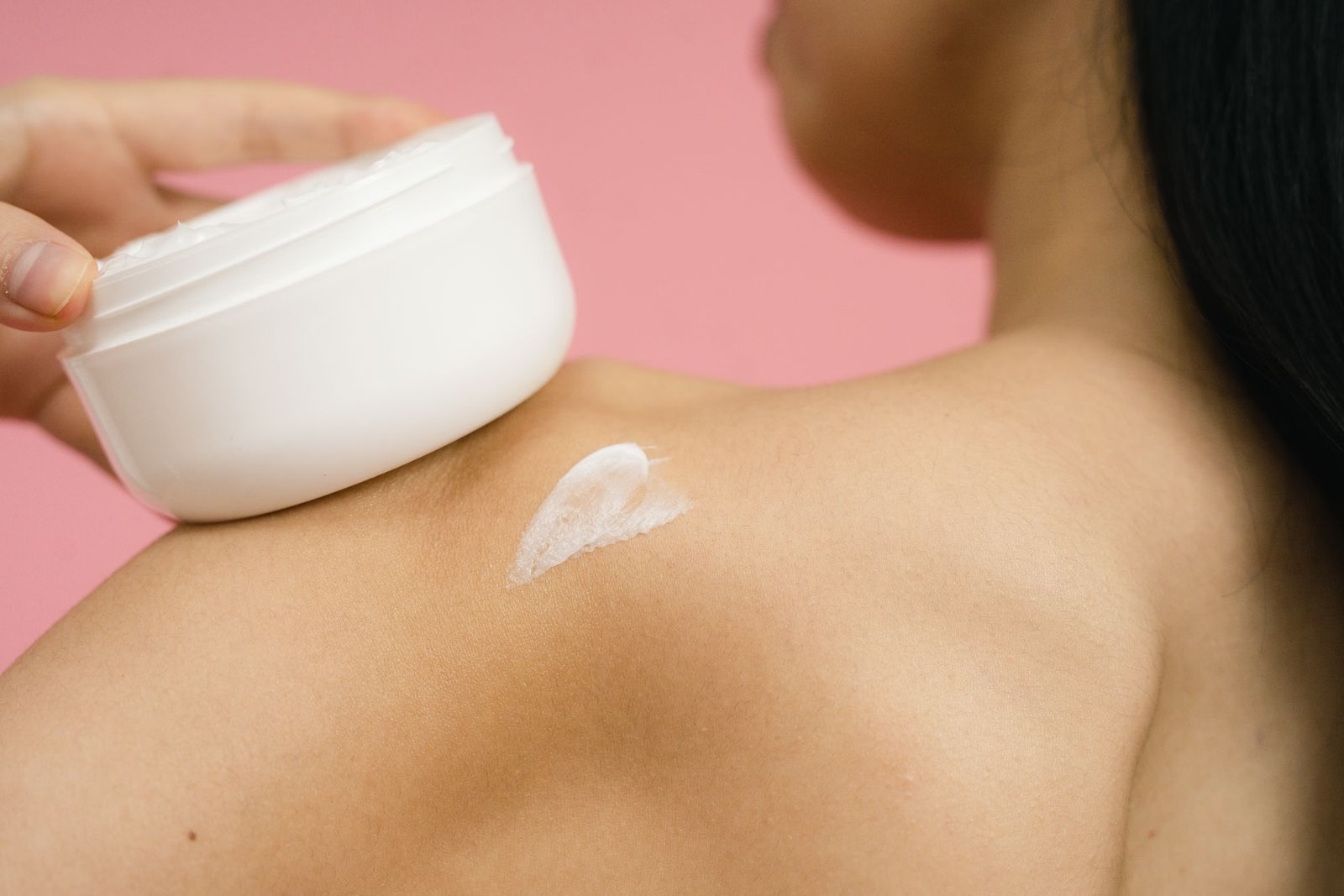
The best body butter in India is the one you will actually use after every bath: easy to spread, comfortable to smell and right for your skin. That is hard to judge from a jar photo, because listings call similar products body butter, body cream or balm.
We compared Amazon.in listings for popular body butters and kept five picks for different needs and habits. Every pick links to its Amazon.in listing, and the comparison table lines them up.
Read the skin advice first. The American Academy of Dermatology (AAD) says dermatologists recommend fragrance-free products for dry skin, and that creams and ointments add more moisture than lotions. The NHS says ointments suit very dry, thickened skin. We call no pick fragrance-free, and none is a treatment for a skin condition.
Start with the comparison table, then read who should buy and who should skip each pick. The guide that follows covers dermatologist advice, body butter vs body lotion, how to choose, how to use it and where to buy.
Quick answer: Our top pick is Palmer’s Cocoa Butter Formula, for readers who want a first jar. Choose by scent and format from the list below.
- Best overall: Palmer’s Cocoa Butter Formula
- Best everyday body cream: Himalaya Rich Cocoa Butter Body Cream
- Best chocolate-scented butter: mCaffeine Naked and Rich Choco Body Butter
- Best fresh-scented butter: The Body Shop Olive Body Butter
- Best vanilla caramel butter: Plum BodyLovin’ Vanilla Caramello Body Butter
As an Amazon Associate I earn from qualifying purchases.
QUICK SUMMARY: Top 5 Best Body Butter in India
- Palmer’s Cocoa Butter Formula
- Himalaya Rich Cocoa Butter Body Cream
- mCaffeine Naked and Rich Choco Body Butter
- The Body Shop Olive Body Butter
- Plum BodyLovin’ Vanilla Caramello Body Butter
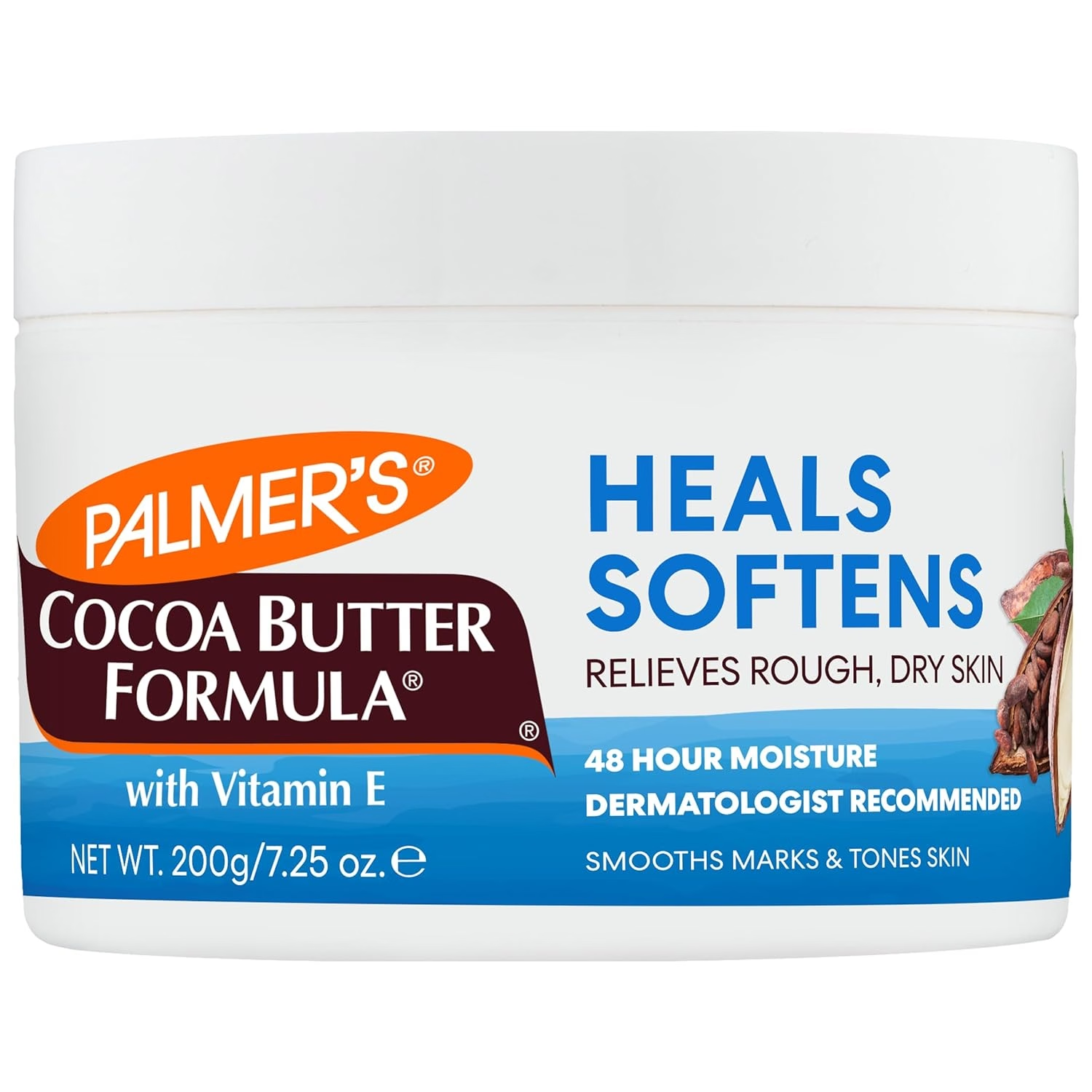
1. Palmer’s Cocoa Butter Formula
Features
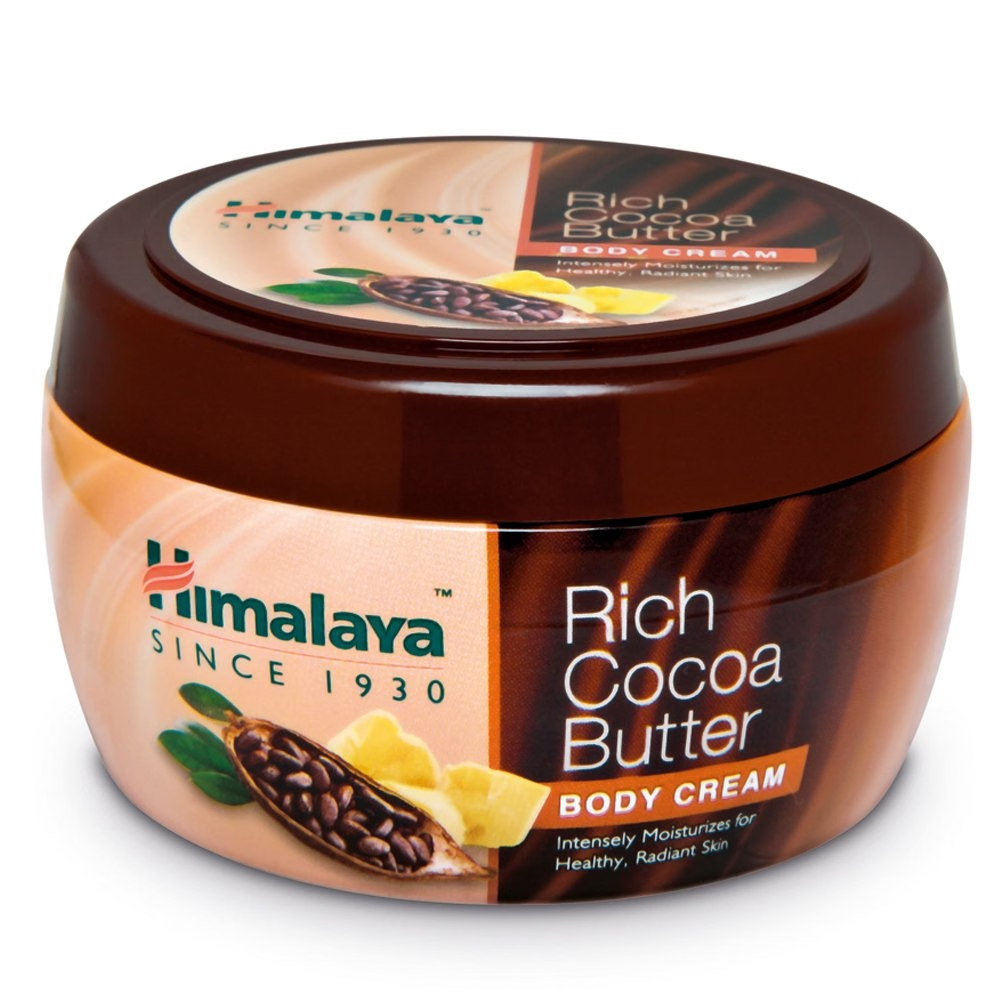
2. Himalaya Rich Cocoa Butter Body Cream
Features
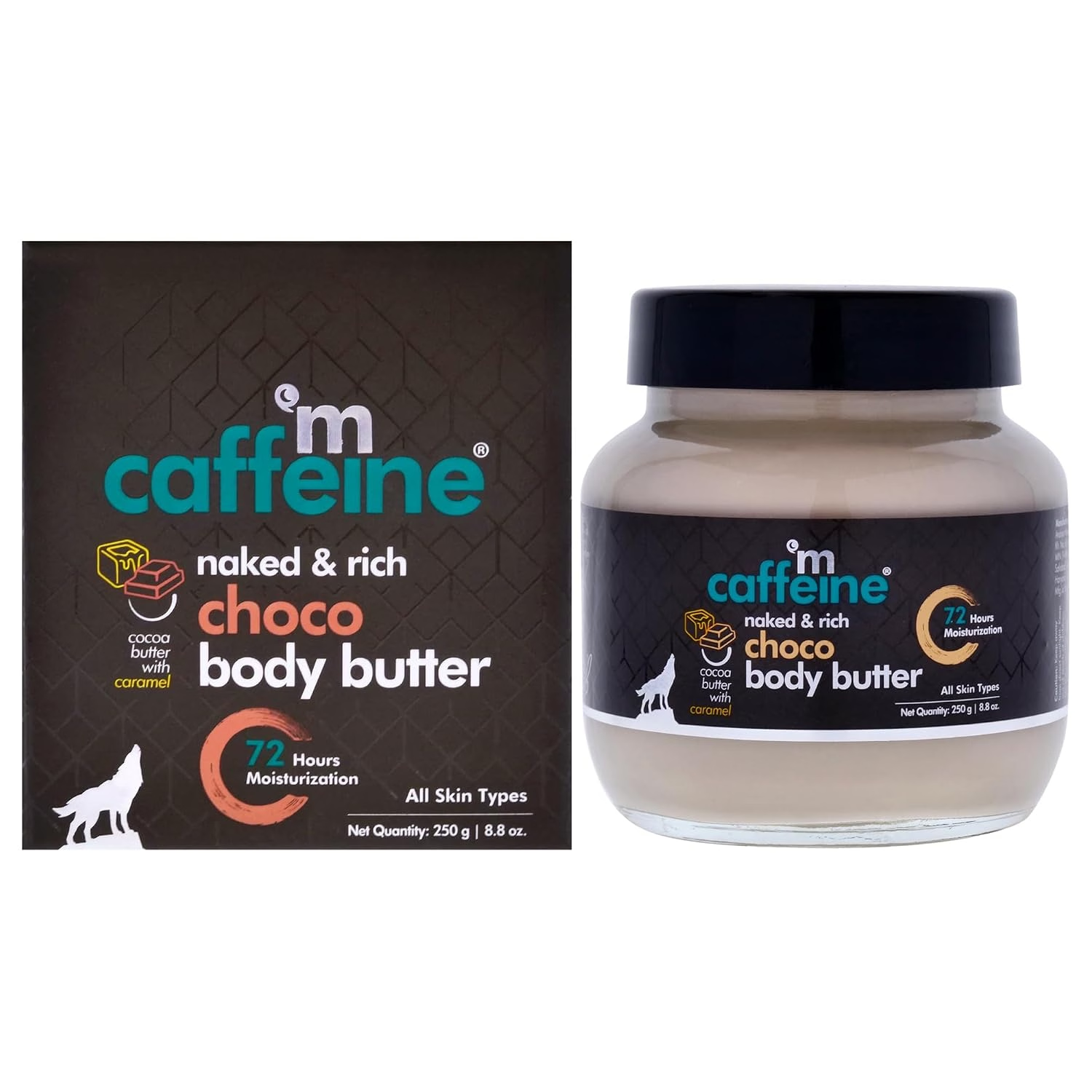
3. mCaffeine Naked and Rich Choco Body Butter
Features
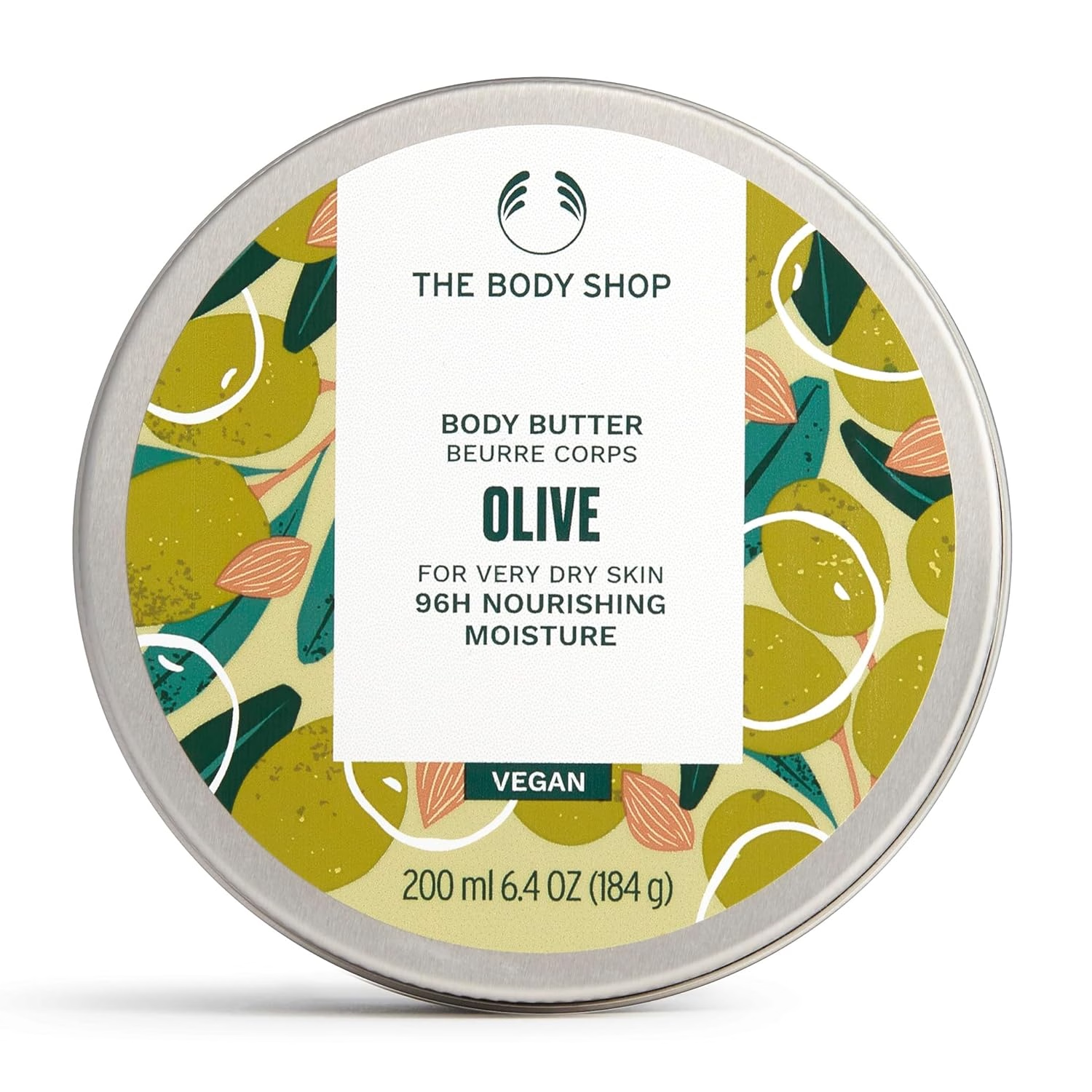
4. The Body Shop Olive Body Butter
Features
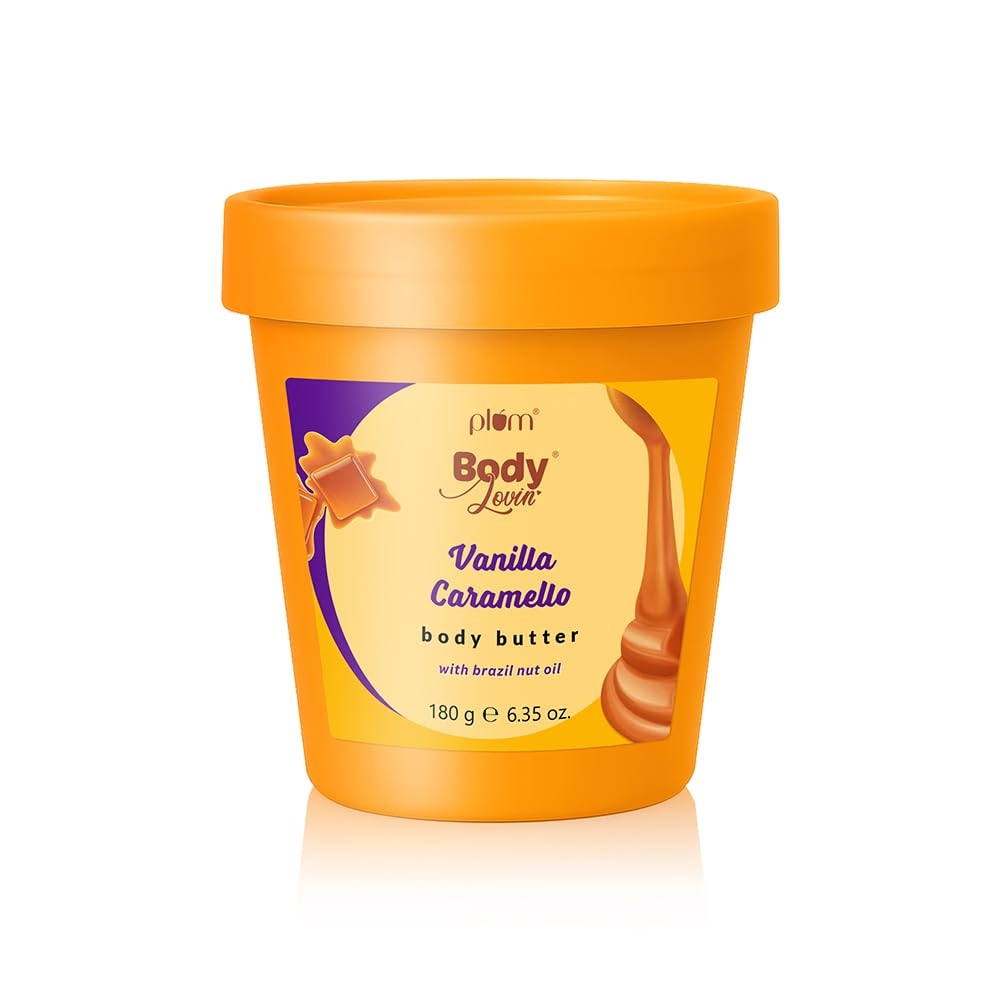
5. Plum BodyLovin’ Vanilla Caramello Body Butter
Features
Comparison at a Glance
This table lines up the five picks by format, named ingredients, scent and star average. Use it to shortlist two, then read the verdicts below.
| Pick | Best for | Format on the listing | Ingredients named on the listing | Scent on the listing | Stars on Amazon.in | Where to buy |
|---|---|---|---|---|---|---|
| Palmer’s Cocoa Butter Formula | Best overall | Solid formula in a jar | Cocoa butter, vitamin E | Not stated on the listing | 4.5 | Check price on Amazon |
| Himalaya Rich Cocoa Butter Body Cream | Everyday body cream | Body cream | Cocoa butter | Not stated on the listing | 4.3 | Check price on Amazon |
| mCaffeine Naked and Rich Choco Body Butter | Chocolate-scented butter | Body butter in a jar | Cocoa butter, caramel, argan oil, caffeine | Chocolate | 4.3 | Check price on Amazon |
| The Body Shop Olive Body Butter | Fresh-scented butter | Body butter | Not shown on the listing | Refreshing, in the maker’s words | 4.5 | Check price on Amazon |
| Plum BodyLovin’ Vanilla Caramello Body Butter | Vanilla caramel butter | Body butter in a jar | Shea butter, Brazil nut oil | Vanilla and salted caramel | 4.2 | Check price on Amazon |
How We Chose the Best Body Butter in India
We read the Amazon.in titles, bullets, product details and ingredient lines for popular picks, then kept five that suit different buyers. We weighed star averages and rating counts. We also read the AAD and NHS advice, linked above.
We left out body lotions, body oils, body yogurts and soaps, because they need different advice. Every ingredient, wear-time and moisture claim in this guide is the maker’s own.
Who Should Buy Which Pick (and Who Should Skip It)
Each verdict sets one pick against another from the list, then names the buyer it suits and the buyer who should look elsewhere. The Skip lines name a situation where advice from a doctor or pharmacist, rather than any pick here, is the better first step.
1. Palmer’s Cocoa Butter Formula: best overall
Has far more buyers behind it than the Himalaya Rich Cocoa Butter, and a slightly higher star average.
- Buy it if you are buying your first body butter.
- Skip it if dryness persists even with careful moisturising: the AAD says to see a board-certified dermatologist.
2. Himalaya Rich Cocoa Butter Body Cream: best everyday body cream
Costs you the higher star average that The Body Shop Olive has, and gives you a far bigger buyer pool.
- Buy it if you are setting up a basic after-bath routine.
- Skip it if your skin is very dry and thickened: the NHS says ointments suit that, so ask a pharmacist first.
3. mCaffeine Naked and Rich Choco Body Butter: best chocolate-scented butter
Has a smaller buyer pool than the Himalaya Rich Cocoa Butter, at the same star average.
- Buy it if you are buying a small gift for a coffee lover.
- Skip it if moisturisers inflame your hair follicles: the NHS says emollients can do this, so ask a pharmacist first.
4. The Body Shop Olive Body Butter: best fresh-scented butter
Ties the Palmer’s Cocoa Butter Formula on star average, with a far smaller buyer pool.
- Buy it if you are buying a treat for yourself after a long day.
- Skip it if you will be near fire, flames or cigarettes when you put it on: the NHS says to keep emollients away from them.
5. Plum BodyLovin’ Vanilla Caramello Body Butter: best vanilla caramel butter
Has a lower star average than the The Body Shop Olive, with a slightly larger buyer pool.
- Buy it if you are buying for a friend with a sweet tooth.
- Skip it if your skin is acne-prone and the product would go on your face: the NHS says emollients can aggravate acne.
What Do Dermatologists Say About Body Butter?
The AAD and the NHS give plain moisturiser advice for dry skin. Neither names a pick, and we do not claim that either body endorses one here. Their rules help you choose and use any butter. These products are cosmetics, not medicines, so treat this advice as a guide, not a treatment plan.
What the AAD Says About Moisturisers for Dry Skin
The AAD says dry skin can flake, itch, crack and even bleed, and that moisturiser plays a key role in healing it. Its advice for choosing and using one is below.
- Fragrance: dermatologists recommend products labelled fragrance-free. The AAD says an unscented product can contain chemicals that hide odours, and these can irritate dry, sensitive skin. It also says to stop using skin care products that contain fragrance, alcohol (except hand sanitiser) or retinoids if your skin is dry.
- Cream or ointment: the AAD calls these the more effective choice for adding moisture. It lists ingredients to look for in them, including shea butter, glycerin, hyaluronic acid, jojoba oil and petrolatum.
- Timing: apply moisturiser while your skin is still damp after a shower or bath, after washing your hands and whenever your skin feels dry.
- Bathing: keep baths and showers to five to ten minutes in warm water, and pat your skin dry instead of rubbing.
- Itch: ask your dermatologist before you use an anti-itch cream, because many contain ingredients that can irritate dry skin.
- Persistent dryness: if skin stays dry after you try these tips, see a board-certified dermatologist, because an underlying medical condition may be the cause.
What the NHS Says About Creams, Ointments and Reactions
The NHS calls moisturising products used on dry skin emollients. It says creams are not very greasy and absorb quickly, while ointments are greasy, thick and very moisturising, and suit very dry, thickened skin and night-time use.
- Stinging: the NHS says burning or stinging that does not settle after a few days can be a reaction to an ingredient. Talk to a GP, nurse or pharmacist.
- Hair follicles: emollients can sometimes block or inflame hair follicles, so smooth the product on gently in the direction your hair grows, as the NHS advises.
- Face: the NHS says emollients can cause rashes on the face that can aggravate acne.
- Fire: the NHS says to keep emollients away from fire, flames and cigarettes. A thick butter may call for the same care, so read the warnings on the pack.
Body Butter vs Body Lotion: Which Should You Use?
In the body butter vs body lotion choice, the labels are not a reliable guide, because some listings carry both butter and cream or lotion wording. Read how buyers describe the texture, and use the NHS and AAD points below.
- Butter: a product the maker sells as a butter. Read how buyers describe its texture.
- Lotion: the NHS says lotions are thin and spread easily, but they are not very moisturising.
- Either way: for dry skin the AAD points to creams and ointments over lotions, so judge a product by its texture and ingredients, not only its label.
If a butter feels too heavy for daily use, read our best body lotion in India guide for lighter options. The NHS and AAD points above are about how you moisturise, so the final choice rests on the texture, the scent and the skin advice that suits you, and a doctor or pharmacist can help if your skin is very dry or irritated.
How to Choose the Best Body Butter for Your Skin
Choose by dry-skin needs, scent, texture and how the jar is kept clean. Check these points on the listing before you buy.
Body Butter for Dry Skin: What to Look For
For a body butter for dry skin, look for a product labelled fragrance-free and a cream-like texture, which is what the AAD advises. We call no pick fragrance-free, so check each pack. If dryness continues, see a dermatologist.
- Label: a product that says fragrance-free is not the same as one that says unscented.
- Texture: the AAD advises a cream or ointment instead of a thin lotion.
- Reactions: the NHS says to talk to a GP, nurse or pharmacist if stinging does not settle after a few days.
Cocoa Butter vs Shea Butter: Which Is Better?
Neither wins on its name. The AAD names shea butter among the ingredients to look for in a dry-skin cream, but it does not name cocoa butter, so judge a cocoa butter product by its whole formula. Compare the full ingredient list and the buyer reviews, not one headline ingredient.
- Ingredient list: read it on the pack, because a listing can be incomplete.
- Reviews: look for buyers who describe how the butter feels and how it holds up on dry areas.
Best Smelling Butter: How to Choose a Scent
Choose a scent you enjoy, but know that fragrance is what the AAD tells dry, sensitive skin to avoid. Listings describe a scent in words, such as sweet or fresh, so read reviews for how strong it is and how long it lasts.
Texture, Absorption and Greasy Feel
Judge the texture from the buyer reviews, not from the maker’s word. Terms such as non-greasy or lightweight are the maker’s own language, so look for reviews that describe the feel on skin.
Jar Hygiene and Pack Details
A jar is opened often, so keep it clean. The NHS advises using a clean spoon or spatula to remove emollients from a pot or tub, because this reduces the risk of infections from contaminated pots.
- Lid: close the lid after each use and keep the jar away from heat.
- Seal: check that the seal is intact when it arrives.
- Maker details: look for the maker’s name and batch details on the pack.
- Ingredient list: read it, and avoid anything that you know irritates your skin.
- Patch test: try a new butter on a small area before you use it all over.
How to Use Body Butter Step by Step
Apply it right after a bath or shower, while your skin is still damp. The AAD says to pat your skin dry with a clean towel instead of rubbing, then to apply a fragrance-free moisturiser straight away and massage it in gently.
- Pat dry: leave your skin a little damp after a short, warm shower.
- Scoop: use a clean spoon or spatula, as the NHS advises, instead of dipping your fingers into the jar.
- Smooth: spread it gently over each area, and smooth it in the direction your hair grows, as the NHS advises for emollients.
- Reapply: add more whenever your skin feels dry, as the AAD advises.
- Clothes: the AAD says loose cotton clothing is kinder to dry skin than tight or rough fabrics.
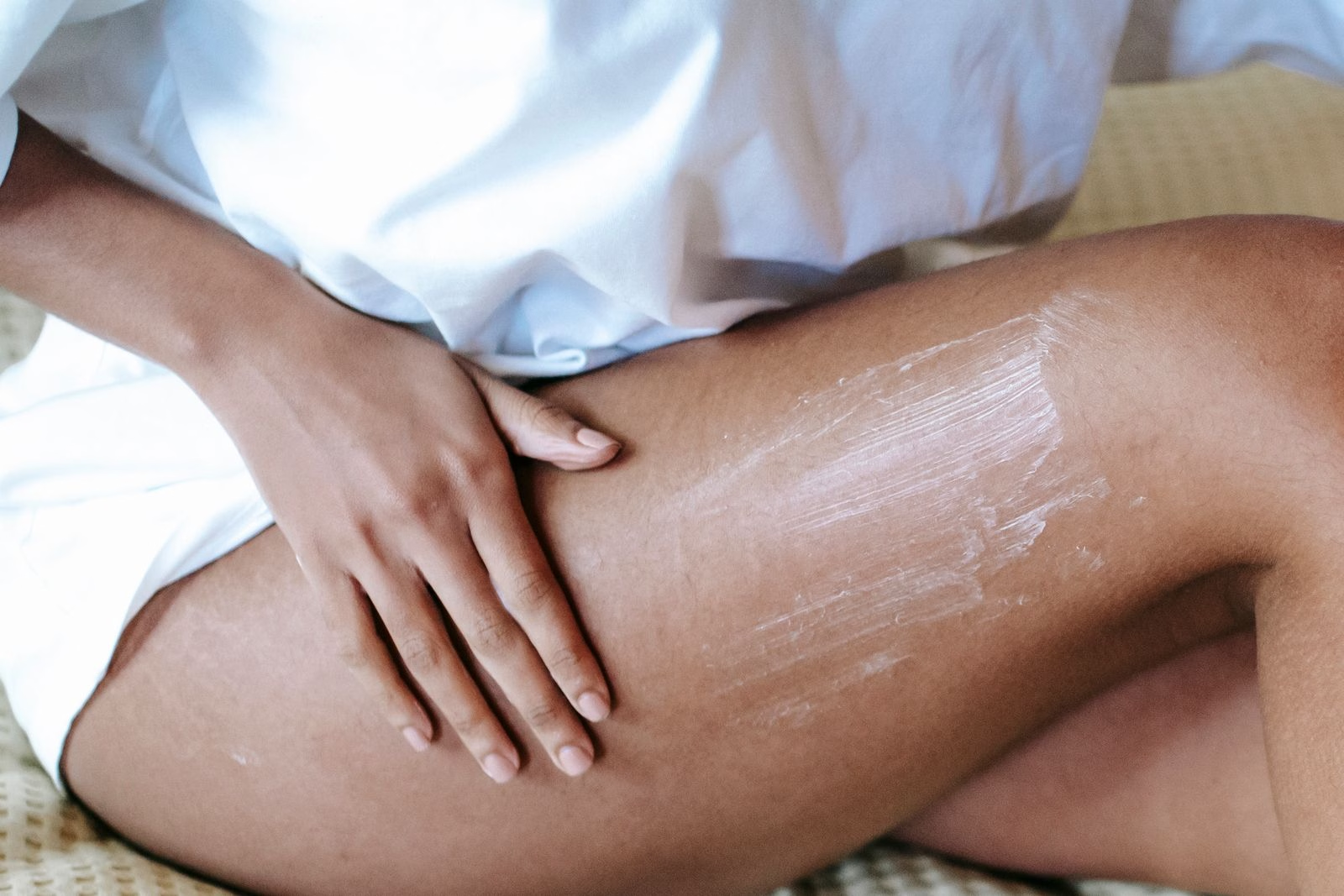
The NHS says emollients are best applied after washing, bathing or showering, because that is when skin most needs moisture, and as soon as you have patted your skin dry so they are properly absorbed.
Your bath routine matters too. The AAD says deodorant soaps can be too harsh for dry skin, so read our best bathing soap in India guide if you want to change your soap as well.
Does Body Butter Suit Every Season?
Choose by how a product feels to you in your own weather. If a body butter for dry skin feels heavy in warm, humid weather, use less of it or switch to a lighter lotion.
- Dry air: the AAD says a humidifier can add moisture to the air for dry skin, and a portable one should be cleaned regularly.
- Showers: the AAD says baths and showers can worsen dry skin, so keep them short and use warm water.
- Hands: the AAD says to carry a non-greasy hand cream and apply it after each hand wash.
Keep one rule in every season: apply moisturiser while your skin is still damp, as the AAD advises. For a bath-time treat that is not a moisturiser, see our best bath oils in India guide.
When Should You See a Doctor About Dry Skin?
See a dermatologist if your skin stays dry after you try the basic steps. The AAD says persistent dryness may come from an underlying medical condition, and that without treatment both the dryness and the condition can worsen.
- Reactions: the AAD says to tell your dermatologist if anything you apply, moisturiser included, causes burning, stinging or irritation.
- Severe skin: the NHS says to talk to a GP, nurse or health visitor if a skin condition is severe, as you may need a stronger treatment.
- Treatment plans: if a doctor gives you one, follow it. A cosmetic butter does not replace it.
Where to Buy Body Butter in India
Buy from the brand’s own store or a named seller, whether on Amazon.in or in a shop. Check the seal and the batch details when it arrives, and read the return policy before you open the jar.
- Listing: look for pack photos, an ingredient list and maker details.
- Seller: prefer the brand’s own store page or a clearly named seller.
- On arrival: check the seal and the batch details on the pack.
- Returns: read the return window before you use the product.
How to Read Buyer Reviews
Look for reviews from buyers whose skin and climate are like yours. Star averages show the overall mood, and the written reviews show the details that matter to you.
- Scent: read the lower-star reviews for complaints about a strong or artificial smell.
- Rating mix: compare the star average with the number of ratings behind it.
- Skin reactions: a review that mentions stinging or a rash is one buyer’s experience. If your own skin reacts, talk to a pharmacist or doctor.
Treat a star average as a guide, not a promise. A butter that suits one buyer can still sit badly on your skin, which is why a small trial area comes first.
Final Thoughts: Picking the Best Body Butter in India
Our overall pick is Palmer’s Cocoa Butter Formula.
If your need is more specific, choose by use case:
- Best everyday body cream: Himalaya Rich Cocoa Butter.
- Best chocolate-scented butter: mCaffeine Choco.
- Best fresh-scented butter: The Body Shop Olive.
- Best vanilla caramel butter: Plum Vanilla Caramello.
Whichever pick you choose, follow the skin advice above: check the pack for fragrance, apply the butter while your skin is damp and talk to a pharmacist or doctor if stinging does not settle.
Frequently Asked Questions
Which is better, body butter or body lotion?
Neither is better for everyone. Listings sometimes mix butter, cream and lotion wording, so read how buyers describe the texture. The NHS says lotions are thin and spread easily but are not very moisturising, and the AAD advises a cream or ointment over a lotion for dry skin. Choose the product you will use after every bath.
Which is the best body butter in India?
No single butter wins for everyone, so choose by your skin, your scent preference and the texture you like. Our overall pick is Palmer’s Cocoa Butter Formula, chosen on buyer ratings and rating count. The other four picks suit different scent and format needs, and our comparison table lines them up.
Can I use body butter on my face?
Only if the pack says it is meant for the face. The NHS says emollients can sometimes cause rashes on the face that can aggravate acne, so a body product may not suit your face. If a body butter makes your face break out, talk to a GP, nurse or pharmacist, as the NHS advises.
Is cocoa butter or shea butter better?
Neither is better on its name alone, so judge each product by its full formula. The AAD’s ingredient list for dry-skin creams includes shea butter but not cocoa butter. Compare the ingredient list, the texture buyers describe and the scent, and try your choice on a small area first.
Does body butter help with stretch marks?
We make no stretch-mark claim for any pick here. It is a moisturiser, and a listing’s promise is the maker’s own claim. If you are worried about stretch marks or any other skin change, ask a dermatologist before you rely on a cosmetic product to address it.
How often should I use body butter?
Use it whenever your skin feels dry, including after a bath or shower. The AAD advises moisturiser several times a day for dry skin, and the NHS says emollients can be applied as often as you like. Talk to a GP, nurse or pharmacist if stinging does not settle.
Which scent is best, and how long does it last?
Scent is personal, so no pick can be called the best-smelling. Listings describe scents in words, so read buyer reviews for scent strength and how long it lasts. Remember that the AAD advises fragrance-free products for dry, sensitive skin if scent could be a problem for you.
Related reads:
Leave a Reply